Häftad, Engelska, 2026
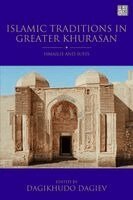
Islamic Traditions in Greater Khurasan
313 kr
Kommande
Beskrivning
‘Greater Khurasan’ was the historical name for the vast eastern region of the Islamic world stretching across parts of northeastern Iran, Afghanistan and southern Central Asia. This open access book offers a focused exploration of the cultural and intellectual expressions of Islam in this diverse region. In particular, it pays attention to the historical, intellectual and cultural intersections between Sufism and Ismailism, highlighting the intertwined development of these traditions.The book is organised into five parts: Part one situates major Sufi figures and orders within their local contexts, introducing newly discovered sources and re-examining the legacies of thinkers such as Ibrahim Qavghani and Najm al-Din Kubra, alongside contemporary Sufi revivals. Part two investigates Sufi–Ismaili cultural interactions, from devotional dance and music to the shifting meanings of shrines in modern Tajikistan. Part three reassesses key Ismaili narratives, offering new perspectives on the Nizari da’wa, its diverse regional expressions, and the effects of communal schisms. Part four turns to philosophical and theological debates, reconsidering influential authors of the 10th–13th centuries and probing the reception and reframing of Avicennism within Nizari thought. Part five highlights Persian and Sufi terminology as cultural vehicles, examining their cognitive, lexical, and scholarly significance.Bringing together specialists Sufism, Ismaili studies, Islamic philosophy and Persianate intellectual history, this comprehensive study illuminates the shared spaces, networks and discourses through which these traditions have evolved from the medieval period to the present day. The ebook editions of this book are available open access under a CC BY-NC-ND 4.0 licence on bloomsburycollections.com. Open access was funded by The Institute of Ismaili Studies.
Produktinformation
- Utgivningsdatum: 2026-11-26
- Mått: 156 x 234 x 17 mm
- Vikt: 367 g
- Format: Häftad
- Språk: Engelska
- Serie: Shi'i Heritage Series
- Antal sidor: 424
- Förlag: Bloomsbury Publishing PLC
- ISBN: 9781350635418
Utforska kategorier
Betyg & recensioner
0 recensioner
Inga recensioner tillgängliga.