Shi'i Heritage Series - Böcker
Visar alla böcker i serien Shi'i Heritage Series. Handla med fri frakt och snabb leverans.
12 produkter
12 produkter
1 276 kr
Skickas inom 10-15 vardagar
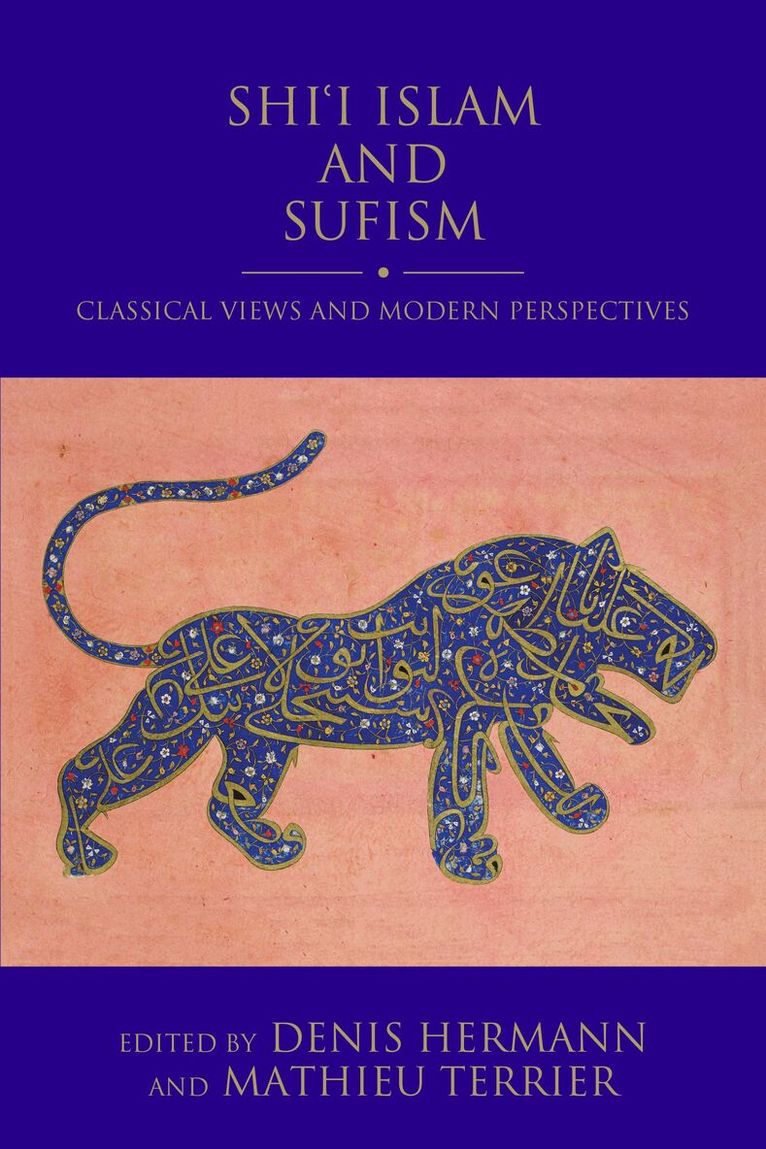
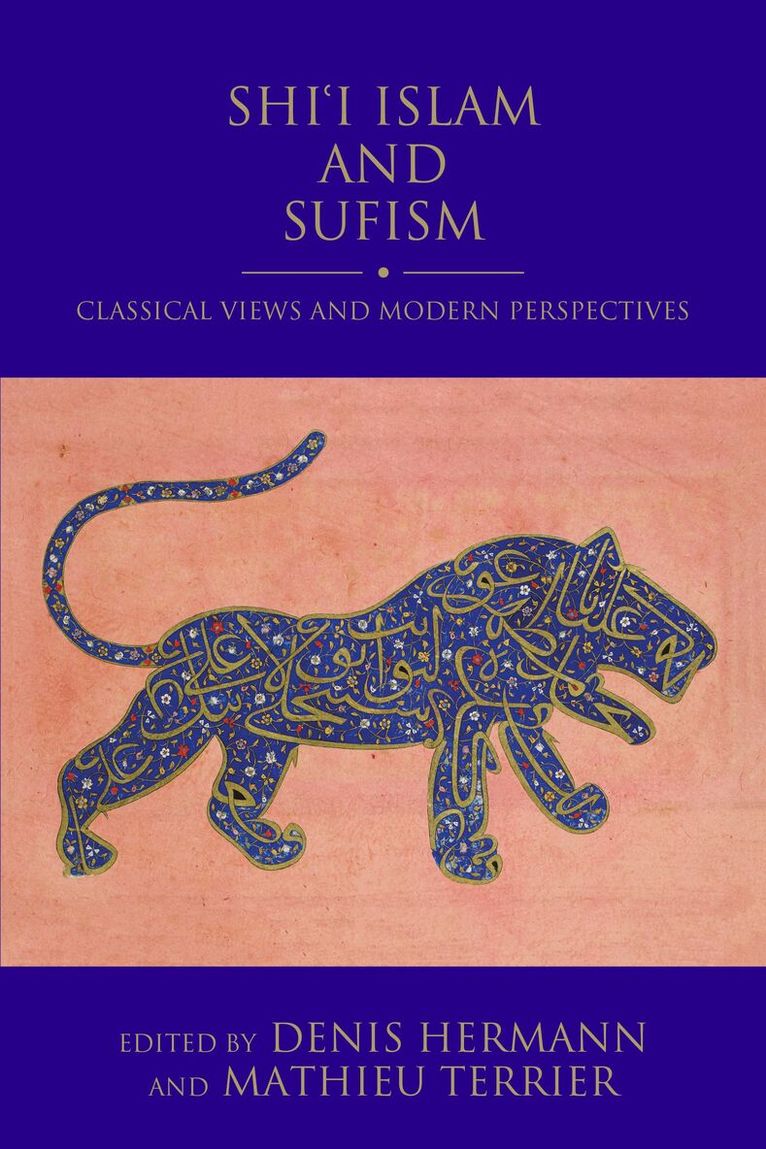
I.B. Tauris in association with the Institute of Ismaili StudiesOffering new perspectives on the relationship between Shi'is and Sufis in modern and pre-modern times, this book challenges the supposed opposition between these two esoteric traditions in Islam by exploring what could be called "Shi'i Sufism" and "Sufi-oriented Shi'ism" at various points in history. The chapters are based on new research in textual studies as well as fieldwork from a broad geographical areas including the Indian subcontinent, Anatolia and Iran. Covering a long period stretching from the early post-Mongol centuries, throughout the entire Safawid era (906–1134/1501–1722) and beyond, it is concerned not only with the sphere of the religious scholars but also with different strata of society. The first part of the volume looks at the diversity of the discourse on Sufism among the Shi'i "ulama" in the run up to and during the Safawid period. The second part focuses on the social and intellectual history of the most popular Shi'i Sufi order in Iran, the Ni'mat Allahiyya. The third part examines the relationship between Shi'ism and Sufism in the little-explored literary traditions of the Alevi-Bektashi and the Khaksariyya Sufi order. With contributions from leading scholars in Shi'ism and Sufism Studies, the book is the first to reveal the mutual influences and connections between Shi'ism and Sufism, which until now have been little explored.
394 kr
Skickas inom 10-15 vardagar
I.B. Tauris in association with the Institute of Ismaili StudiesOffering new perspectives on the relationship between Shi'is and Sufis in modern and pre-modern times, this book challenges the supposed opposition between these two esoteric traditions in Islam by exploring what could be called "Shi'i Sufism" and "Sufi-oriented Shi'ism" at various points in history. The chapters are based on new research in textual studies as well as fieldwork from a broad geographical areas including the Indian subcontinent, Anatolia and Iran. Covering a long period stretching from the early post-Mongol centuries, throughout the entire Safawid era (906–1134/1501–1722) and beyond, it is concerned not only with the sphere of the religious scholars but also with different strata of society. The first part of the volume looks at the diversity of the discourse on Sufism among the Shi'i "ulama" in the run up to and during the Safawid period. The second part focuses on the social and intellectual history of the most popular Shi'i Sufi order in Iran, the Ni'mat Allahiyya. The third part examines the relationship between Shi'ism and Sufism in the little-explored literary traditions of the Alevi-Bektashi and the Khaksariyya Sufi order. With contributions from leading scholars in Shi'ism and Sufism Studies, the book is the first to reveal the mutual influences and connections between Shi'ism and Sufism, which until now have been little explored.
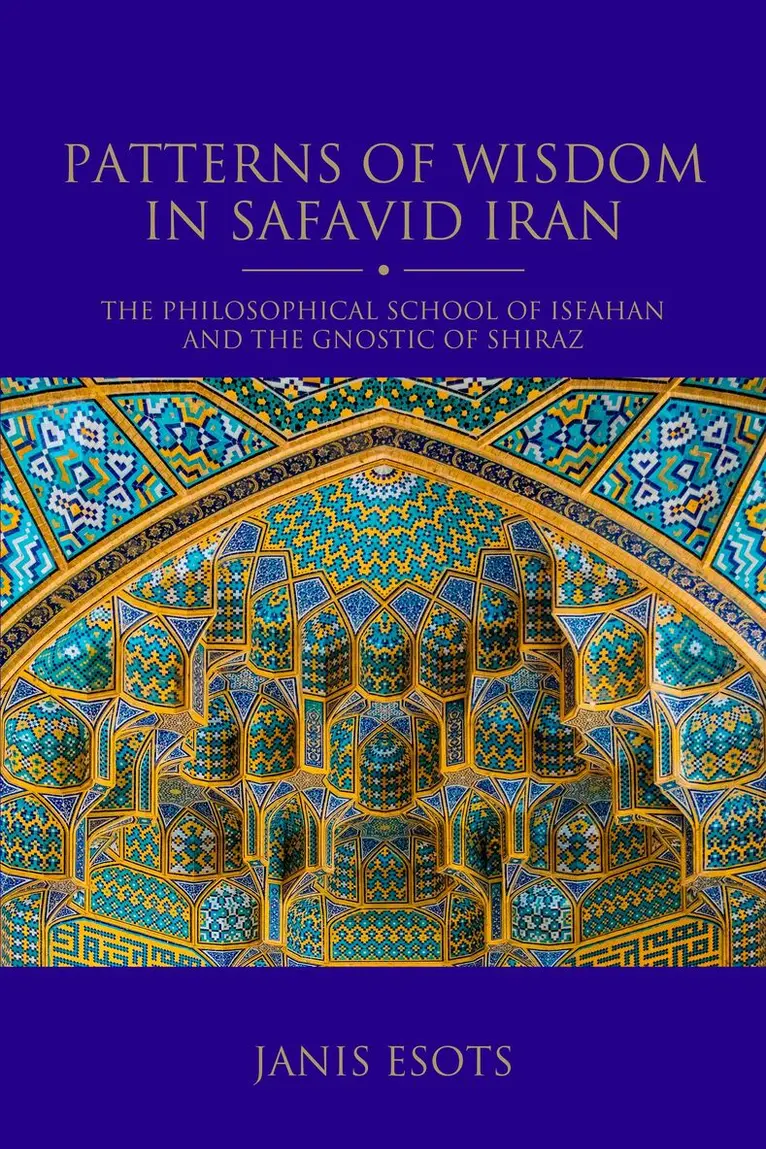
Patterns of Wisdom in Safavid Iran
The Philosophical School of Isfahan and the Gnostic of Shiraz
Inbunden, Engelska, 2021
1 142 kr
Skickas inom 10-15 vardagar
I.B. Tauris in association with the Institute of Ismaili StudiesThe exceptional intellectual richness of seventeenth-century Safavid Iran is epitomised by the philosophical school of Isfahan, and in particular by its ostensible founder, Mir Damad (d. 1631), and his great student Mulla Sadra (aka Sadr al-Din Shirazi, d. 1636). Equally important to the school is the apophatic wisdom of Rajab 'Ali Tabrizi that followed later (d. 1669/70).However, despite these philosophers’ renown, the identification of the 'philosophical school of Isfahan' was only proposed in 1956, by the celebrated French Iranologist Henry Corbin, who noted the unifying Islamic Neoplatonist character of some 20 thinkers and spiritual figures; this grouping has subsequently remained unchallenged for some fifty years.In this highly original work, Janis Esots investigates the legitimacy of the term 'school', delving into the complex philosophies of these three major Shi'i figures and drawing comparisons between them. The author makes the case that Mulla Sadra’s thought is independent and actually incompatible with the thoughts of Mir Damad and Rajab Ali Tabrizi. This not only presents a new way of thinking about how we understand the ‘school of Isfahan’, it also identifies Mir Damad and Rajab Ali Tabrizi as pioneers in their own right.
Patterns of Wisdom in Safavid Iran
The Philosophical School of Isfahan and the Gnostic of Shiraz
Häftad, Engelska, 2021
363 kr
Skickas inom 7-10 vardagar
I.B. Tauris in association with the Institute of Ismaili StudiesThe exceptional intellectual richness of seventeenth-century Safavid Iran is epitomised by the philosophical school of Isfahan, and in particular by its ostensible founder, Mir Damad (d. 1631), and his great student Mulla Sadra (aka Sadr al-Din Shirazi, d. 1636). Equally important to the school is the apophatic wisdom of Rajab 'Ali Tabrizi that followed later (d. 1669/70).However, despite these philosophers’ renown, the identification of the 'philosophical school of Isfahan' was only proposed in 1956, by the celebrated French Iranologist Henry Corbin, who noted the unifying Islamic Neoplatonist character of some 20 thinkers and spiritual figures; this grouping has subsequently remained unchallenged for some fifty years.In this highly original work, Janis Esots investigates the legitimacy of the term 'school', delving into the complex philosophies of these three major Shi'i figures and drawing comparisons between them. The author makes the case that Mulla Sadra’s thought is independent and actually incompatible with the thoughts of Mir Damad and Rajab Ali Tabrizi. This not only presents a new way of thinking about how we understand the ‘school of Isfahan’, it also identifies Mir Damad and Rajab Ali Tabrizi as pioneers in their own right.
1 142 kr
Skickas inom 10-15 vardagar
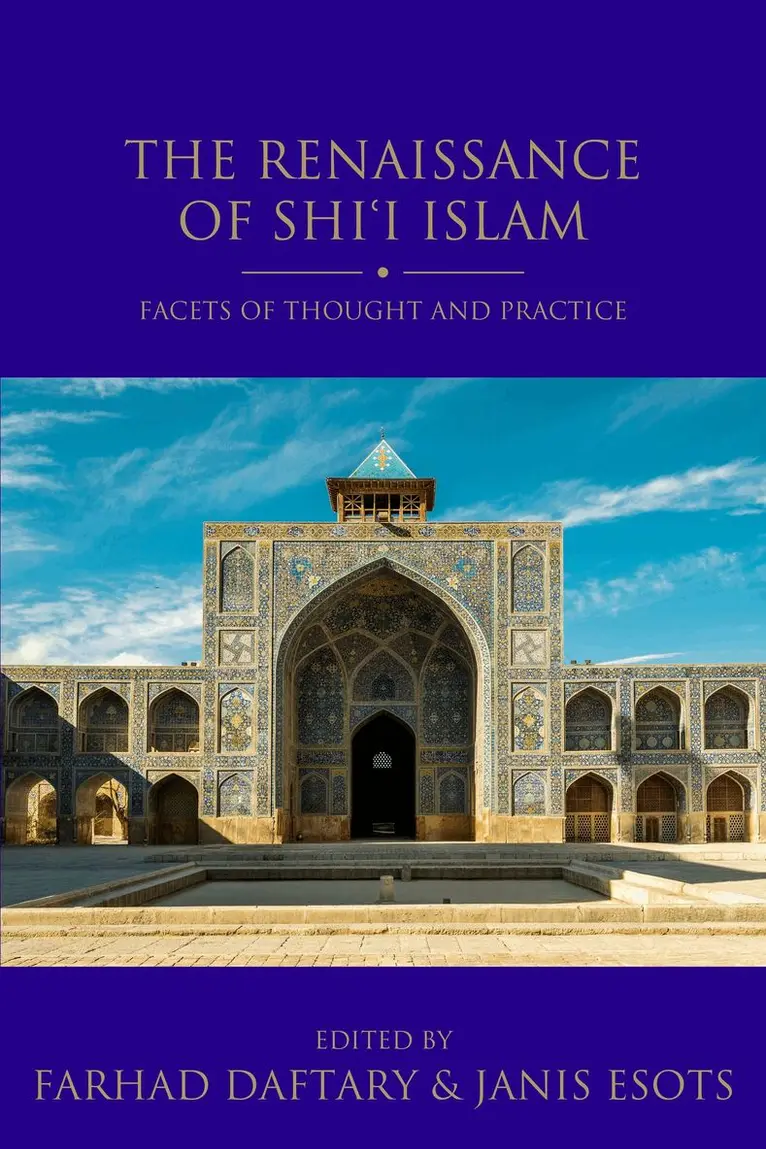
The ebook editions of this book are available open access under a [CC BY-NC-ND 4.0] licence on bloomsburycollections.com. Open access was funded by Institute of Ismaili Studies.I.B. Tauris in association with the Institute of Ismaili StudiesThe renaissance of Shi’i Islam began in the 9th/15th century when the Ismailis experienced the Anjudan revival and Twelver Shi’i traditions were also renewed. This renaissance gained further strength when the Safavids succeeded in establishing a state in the early decades of the 10th/16th century, making Ithna’ashari Shi’i Islam their official religion.The chapters in this open access book represent the most recent scholarship on the intellectual and spiritual life of the age and discuss what prepared the ground for its appearance as well as its achievements. Although the political and artistic developments of the Safavid era of the 10th-12th/16th-18th centuries have been extensively studied, the complexities of the different groups, movements and strands of thought in the renaissance of Shi’i Islam still remain largely unexplored. The major themes that characterised the Shi’i renaissance are explored, including: popular reactions to messianic movements; the development of legal theories and concepts; the investigation of theological and philosophical problems, above all by the ‘School of Isfahan’; Shi’i-Sufi interactions and intra-Shi'i relations; the collection of Shi’i hadith and its application in Shi’i exegesis; and the interplay between political considerations and religious beliefs.The eBook editions of this book are available open access under a CC BY-NC-ND 4.0 licence on bloomsburycollections.com. Open access was funded by The Institute of Ismaili Studies.
368 kr
Skickas inom 10-15 vardagar
The ebook editions of this book are available open access under a [CC BY-NC-ND 4.0] licence on bloomsburycollections.com. Open access was funded by Institute of Ismaili Studies.I.B. Tauris in association with the Institute of Ismaili StudiesThe renaissance of Shi’i Islam began in the 9th/15th century when the Ismailis experienced the Anjudan revival and Twelver Shi’i traditions were also renewed. This renaissance gained further strength when the Safavids succeeded in establishing a state in the early decades of the 10th/16th century, making Ithna’ashari Shi’i Islam their official religion.The chapters in this open access book represent the most recent scholarship on the intellectual and spiritual life of the age and discuss what prepared the ground for its appearance as well as its achievements. Although the political and artistic developments of the Safavid era of the 10th-12th/16th-18th centuries have been extensively studied, the complexities of the different groups, movements and strands of thought in the renaissance of Shi’i Islam still remain largely unexplored. The major themes that characterised the Shi’i renaissance are explored, including: popular reactions to messianic movements; the development of legal theories and concepts; the investigation of theological and philosophical problems, above all by the ‘School of Isfahan’; Shi’i-Sufi interactions and intra-Shi'i relations; the collection of Shi’i hadith and its application in Shi’i exegesis; and the interplay between political considerations and religious beliefs.The eBook editions of this book are available open access under a CC BY-NC-ND 4.0 licence on bloomsburycollections.com. Open access was funded by The Institute of Ismaili Studies.
350 kr
Skickas inom 7-10 vardagar
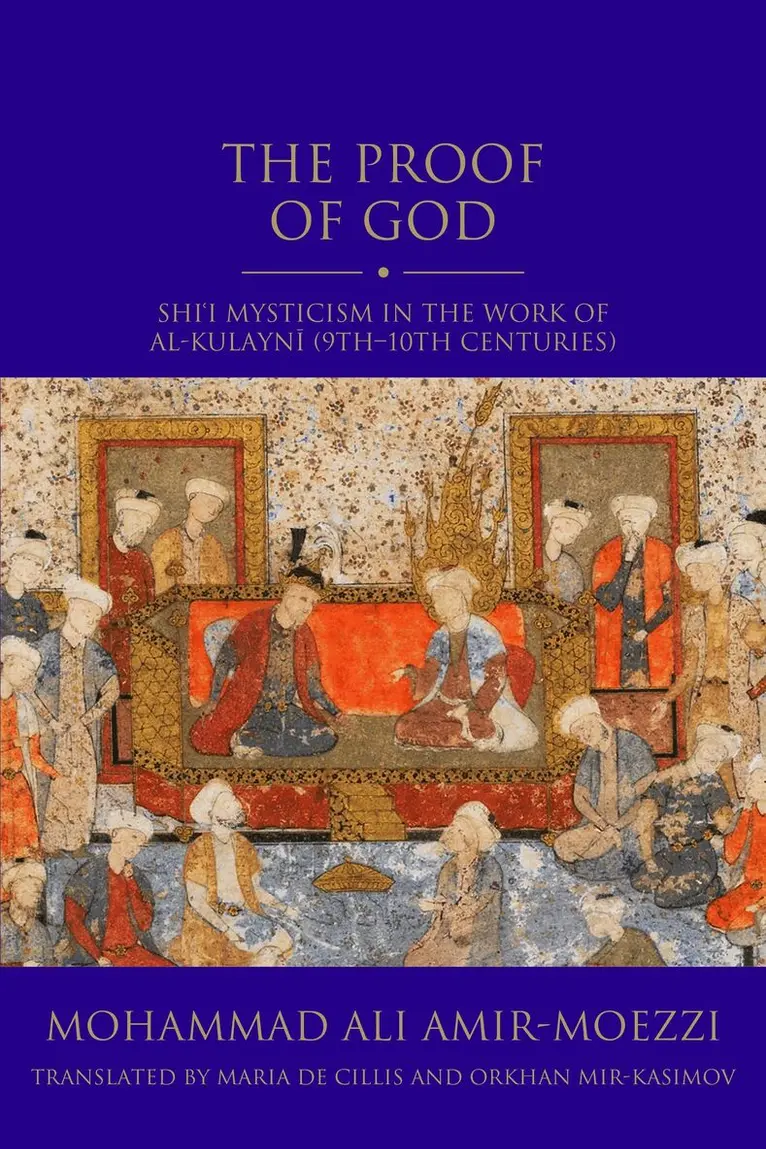
This book is an English translation of the award-winning book by Mohammad Ali Amir-Moezzi on the Book of the Proof (Kitab al-Hujja) part of the Sufficient Book (Kitab al-Kafi), authored by one of the most celebrated religious authorities and a foundational figure of Shi’i Islam, Muhammad ibn Ya'qub al-Kulayni (d. ca. 940 CE). The significance of this source for the formation and development of Shi’i beliefs and doctrines cannot be overestimated. Whilst the field of Shi’i studies is still dominated by works focused on legal, political, or theological aspects of Sh’i Islam, Amir-Moezzi’s approach to the study of the early Shi’i traditions in this work is characterised by a keen interest in its esoteric, mystical aspects. Complemented by detailed analytical comments, Amir-Moezzi’s book demonstrates how al-Kulayni was able to set out an extraordinarily wide-ranging and coherent set of doctrinal and legal traditions derived from the Imams, thus playing a leading role in the unification and, consequently, the consolidation of the Imami faith. More specifically, by elaborating on the nature of the ‘Proof’, which in Shi’i terminology identifies the central figure, i.e., the guide (imam) of mystical spirituality, Amir-Moezzi’s study portrays Shi’i Islam as multifaceted, not merely as the politico-religious ideology of its ‘clergy’, but above all as an inspirational religion. As Amir-Moezzi himself puts it, ‘enriching Muslim thought and spirituality, sometimes with unusual finesse and sophistication’.
Book of Unveiling
Early Fatimid Ismaili Doctrine in the Kitab al-Kashf, attributed to Ja‘far b. Mansur b. al-Yaman
Häftad, Engelska, 2024
350 kr
Skickas inom 7-10 vardagar
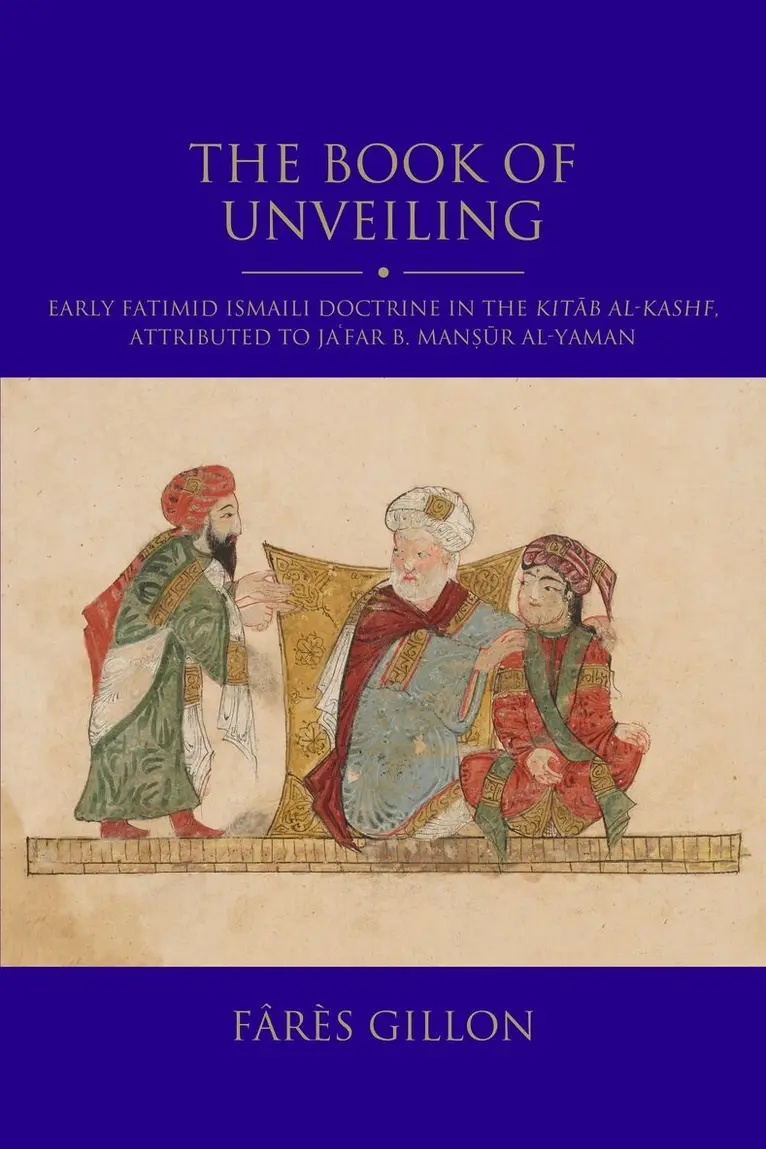
I.B. Tauris in association with the Institute of Ismaili Studies.The Kitab al-Kashf is one of the earliest Ismaili texts to have reached the present day. Transmitted by the Tayybi Ismaili tradition, it is composed of six treatises, most of which, as this open access study and first English translation argues, go back to the early years of the Fatimid rule.The importance of this work is predicated upon the unique insight it offers on the early stages of the elaboration of Ismaili doctrine. A number of parallels with Twelver Shi’i, as well as ghulat and Nusayri sources, are highlighted throughout this study, which, by contrast, allow for the identification of specifically Ismaili themes and doctrines, before and after the rise to power of the Fatimids. The Kashf is thus an essential witness to the way early Ismailism, while drawing from a pool of themes common to several Shi’i trends, nevertheless formed its own distinctive identity.Since it was edited by Rudolf Strothmann for the first time in 1952, the Kashf has attracted the attention of several generations of scholars, but did not benefit from a full annotated translation and extensive study highlighting its structure and aims until now.The eBook editions of this book are available open access under a CC BY-NC-ND 4.0 licence on bloomsburycollections.com. Open access was funded by The Institute of Ismaili Studies.
1 142 kr
Skickas inom 10-15 vardagar
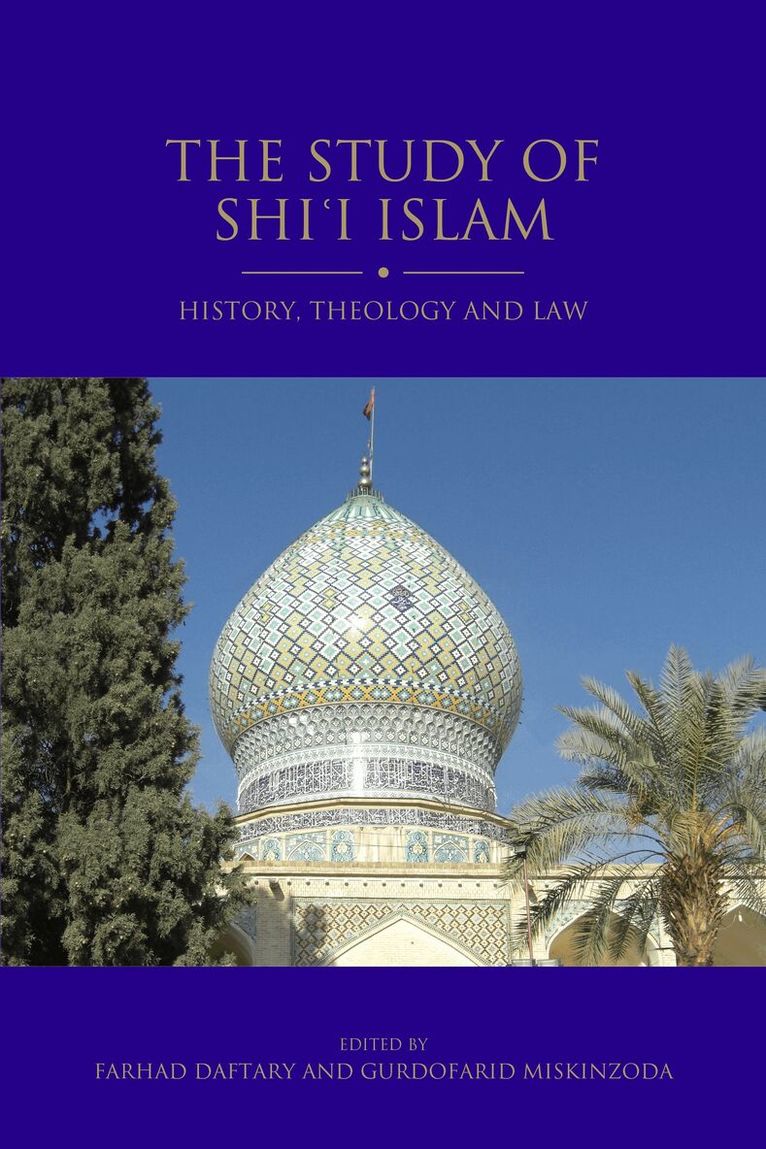
This open access title looks at Shi'i Islam, with its rich and extensive history, has played a crucial role in the evolution of Islam as both a major world religion and civilization. The prolific achievements of Shi'i theologians, philosophers and others are testament to the spiritual and intellectual wealth of this community. Yet Shi'i studies has unjustly remained a long-neglected field, despite the important contribution that Shi'ism has made to Islamic traditions. Only in recent decades, partially spurred by global interest in political events of the Middle East, have scholars made some significant contributions in this area. The Study of Shi'i Islam presents papers originally delivered at the first international colloquium dedicated exclusively to Shi'i studies, held in 2010 at The Institute of Ismaili Studies, London. Within the book are eight sections, namely, history, the Qur'an and its Shi'i interpretations, hadith, law, authority, theology, rites and rituals, and intellectual traditions and philosophy.Each section begins with an introduction contextualizing the aspects of studying Shi'i Islam particular to its theme, before going on to address topics such as the state of the field, methodology and tools, and the primary issues with which contemporary scholars of Shi'i studies are dealing. The scope and depth here covered makes this book of especial interest to researchers and students alike within the field of Islamic studies. The volume benefits from the diverse expertise of nearly 30 world-class scholars, including Mohammad-Ali Amir-Moezzi, Meir M. Bar-Asher, Farhad Daftary, Daniel De Smet, Gerald R. Hawting, Nader El-Bizri, Etan Kohlberg, Wilferd Madelung, Andrew Newman, Ismail K. Poonawala, Sabine Schmidtke and Paul E. Walker.The ebook editions of this book are available open access under a CC BY-NC-ND 4.0 licence on bloomsburycollections.com. Open access was funded by The Institute of Ismaili Studies LTD.
547 kr
Skickas inom 7-10 vardagar
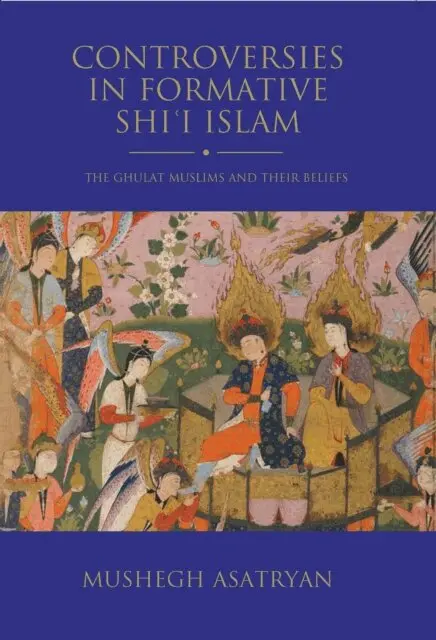
I.B.Tauris in association with the Institute of Ismaili Studies introduces this open access work.Among the various Muslim communities that were articulating their doctrinal positions in the early Islamic centuries, one in particular was known derisively as the Ghulat ('extremists'). This was owing to their specific interpretation of Islam, which included an 'extreme' devotion to the Shi'i Imams and the family of the Prophet, and controversial religious ideas, such as the transmigration of souls into other human or sub-human forms. Widely active in Iraq in the 8th and 9th centuries, the Ghulat developed a complex worldview and produced a rich religious literature. Until now, understanding of this community has mainly relied on sources produced outside of the group, which are inaccurate or polemical in nature. This book looks at newly recovered primary texts in order to study the Ghulat first hand. Mushegh Asatryan examines the development of the Ghulat writings, situating the community within a broader historical context and offering a comprehensive survey of their distinctive cosmology.Through his detailed analysis, the book offers insight into the formation of one of the earliest religious traditions in Islamic history as well as the nature of the community in which texts were produced and circulated.The ebook editions of this book are available open access under a CC BY-NC-ND 4.0 licence on bloomsburycollections.com. Open access was funded by The Institute of Ismaili Studies.
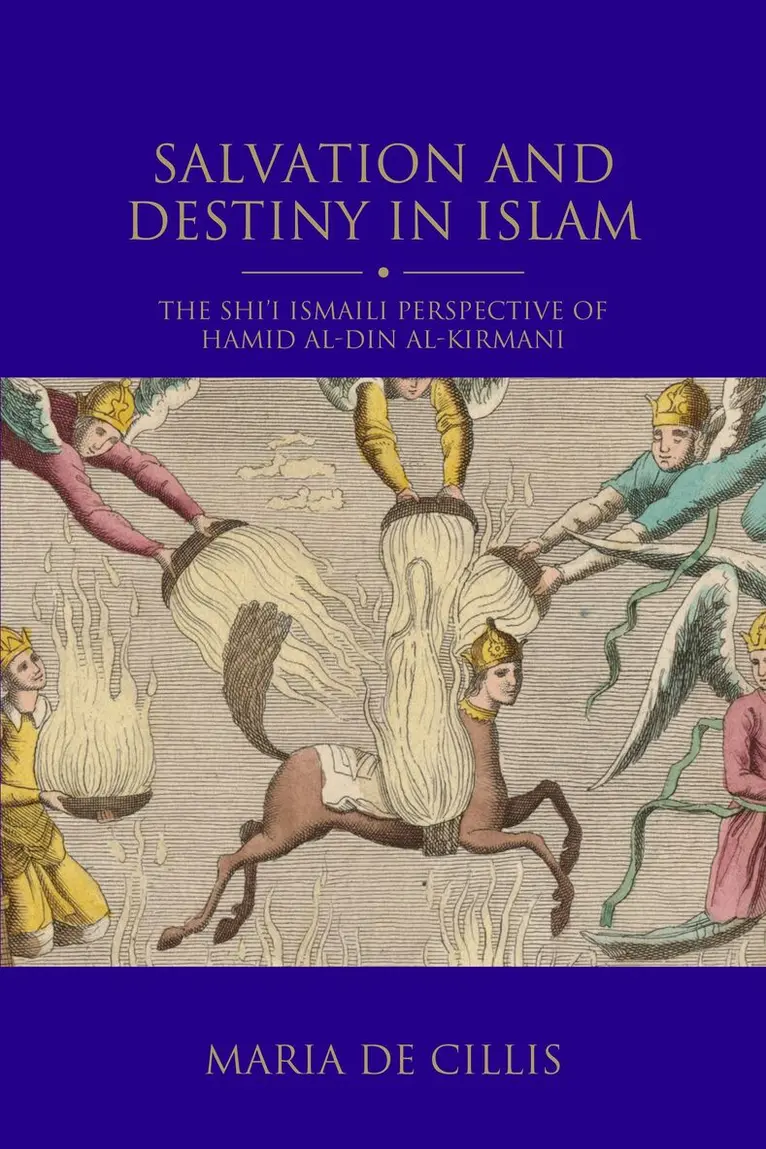
Salvation and Destiny in Islam
The Shi’i Ismaili Perspective of Hamid al-Din al-Kirmani
Inbunden, Engelska, 2018
555 kr
Skickas inom 10-15 vardagar
I.B. Tauris in association with the Institute of Ismaili StudiesMedieval Islamic philosophers were occupied with questions of cosmology, predestination and salvation and human responsibility for actions. For Ismailis, the related notions of religious leadership, namely the imamate, and the eschatological role of the prophets and imams were equally central. These were also a matter of doctrinal controversy within the so-called Iranian school of Ismaili philosophical theology. Hamid al-Din al-Kirmani (d. after 411/1020) was one of the most important theologians in the Fatimid period, who rose to prominence during the reign of the imam-caliph al-Hakim bi-Amr Allah (r. 386/996–411/1021). He is renowned for blending the Neoplatonic philosophical heritage with Ismaili religious tradition. This book provides an analysis of al-Kirmani’s thought and sheds new light on the many layers of allusion which characterise his writings. Through a translation and analytical commentary of the eighth chapter of al-Kirmani’s Kitab al-Riyad (Book of Meadows), which is devoted to the subject of divine preordination and human redemption, Maria De Cillis shows readers first-hand his theologically distinctive interpretation of qada’ and qadar (divine decree and destiny). Here, al-Kirmani attempts to harmonise the views of earlier renowned Ismaili missionaries, Abu Hatim Ahmad b. Hamdan al-Razi (d. 322/934), Muhammad b. Ahmad al-Nasafi (d. 331/942) and Abu Ya'qub Ishaq b. Ahmad al-Sijistani (d. c. 361/971). De Cillis skilfully guides the reader through al-Kirmani’s metaphysical and esoteric correspondences, offering new insights into Shi’i/Ismaili philosophical thought which will be of great interest to those in the field of Shi’i studies and, more broadly, to scholars of medieval philosophy.The ebook editions of this book are available open access under a CC BY-NC-ND 4.0] licence on bloomsburycollections.com. Open access was funded by The Institute of Ismaili Studies LTD.
394 kr
Skickas inom 10-15 vardagar
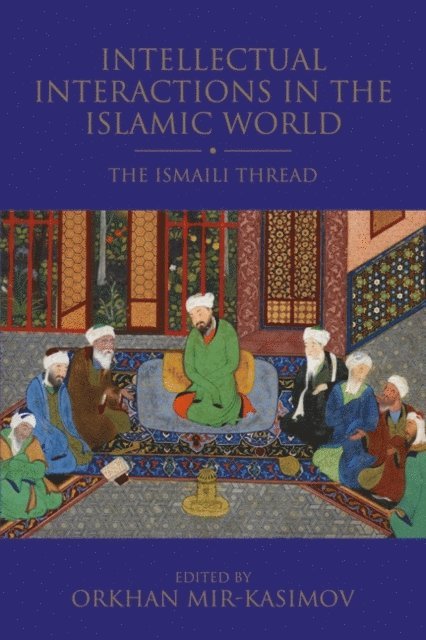
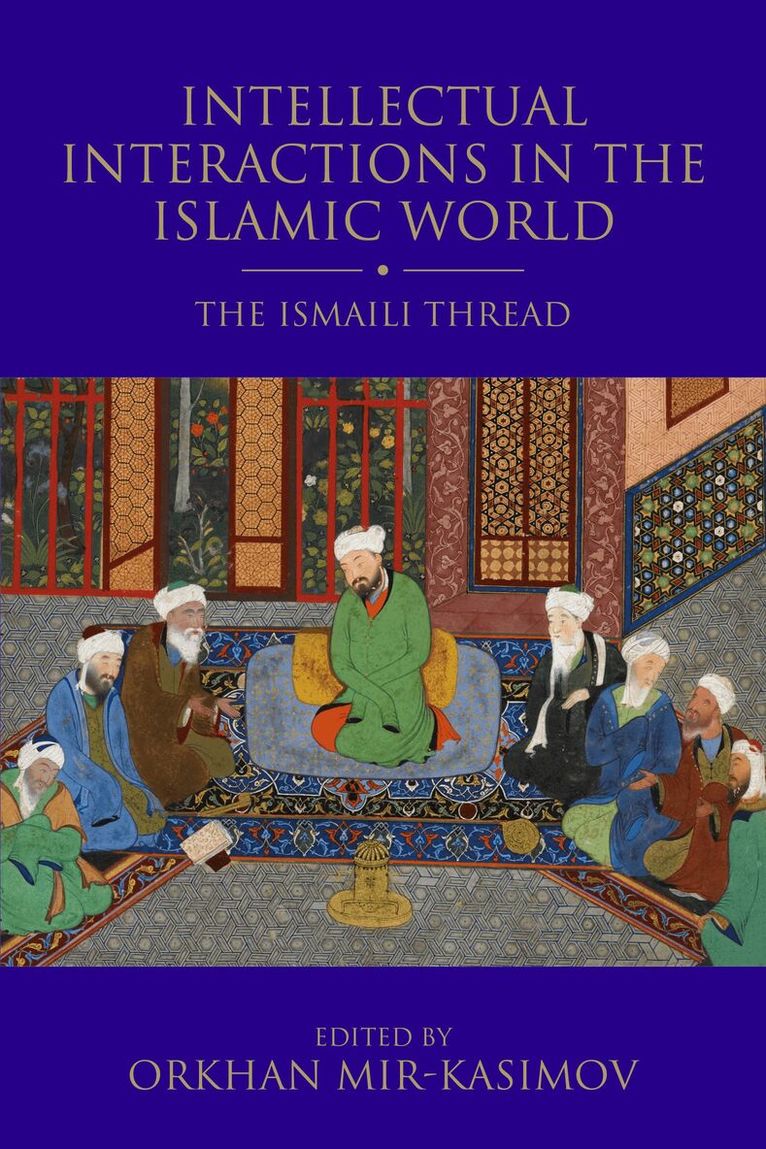
I.B. Tauris in association with the Institute of Ismaili StudiesHow has the Ismaili branch of Shi‘i Islam interacted with other Islamic communities throughout history? The groups and movements that make up Islamic civilisation are diverse and varied yet, while scholarship has analysed many branches of Islam in isolation, the exchanges and mutual influences between them has not been sufficiently recognised. This book traces the interactions between Ismaili intellectual thought and the philosophies of other Islamic groups to shed light on the complex and interwoven nature of Islamic civilisation.Based on a broad range of primary sources from the early medieval to the late nineteenth century, the book brings together different disciplines within Islamic Studies to cover polemical and doctrinal literature, law, mysticism, rituals and philosophy. The main Ismaili groups, such as the Fatimids, Nizaris and Tayyibis, are represented, as well as lesser known traditions such as that associated with the mountain region of Badakhshan in Central Asia. Religious syncretism, particularly in the Indian subcontinent and in Yemen, is considered alongside cultural interactions as reflected in the circulation of books in Fatimid markets, and various literary and mythical traditions, some still little explored. The chapters include contributions from leading experts in the field shed new light on the close and complex relationships very different Islamic groups and movements have enjoyed throughout the centuries.