• Fri frakt över 249 kr
  • •
  • Snabba leveranser
  • •
  • Billiga böcker
Kundservice

Du är på sajten för privatpersoner.

Företag, bibliotek eller offentlig verksamhet?

Du handlar på classic.bokus.com, där alla dina funktioner finns intakta.
Till classic.bokus.com
Bokus logotyp. Gå till startsidan.
  • Erbjudanden
  • Nyheter
  • Student
  • Topplistor
  • Barn & ungdom
  • Bokus Play
  • E-böcker
  • Pocketböcker
  • Spel & pussel

Må bättre, för mindre! Upp till 50% rabatt på hälsoböcker

Sidfot

Mina sidor

    Hjälp

    • Kundservice
    • Vanliga frågor och svar
    • Frakt och leverans
    • Retur vid ångerrätt
    • Reklamera vara
    • Betalning
    • Köpvillkor
    • Allmänna villkor
    • Information om webbplatsens tillgänglighet

    Om Bokus

    • Om oss
    • Pressrum
    • För studenter
    • För företag
    • För bibliotek och offentlig verksamhet
    • För leverantörer
    • Hållbarhet

    Populärt

    • Aktuella erbjudanden
    • Presentkort
    • Studentlitteratur
    • Nya böcker
    • Topplistor
    • Signerade böcker
    • Engelska böcker

    Inspiration

    • Boktips
    • BookTok
    • Populära bokserier
    • Barnbokskaraktärer
    • Populära författare
    Logotyp för Bokus
    Följ oss på Facebook (extern länk)Följ oss på Instagram (extern länk)Följ oss på YouTube (extern länk)Följ oss på TikTok (extern länk)
    bokus @ CookiesAnpassa cookiesIntegritetspolicyKöpvillkor
    Till Citymail hemsida (extern länk)Till Budbee hemsida (extern länk)Till Postnord hemsida (extern länk)Till Schenker hemsida (extern länk)Till Early Bird hemsida (extern länk)Till Walleys hemsida (extern länk)
    1. Språk och ordböcker
    2. Språk: referensverk och allmänt
    3. Språk: historia och allmänt

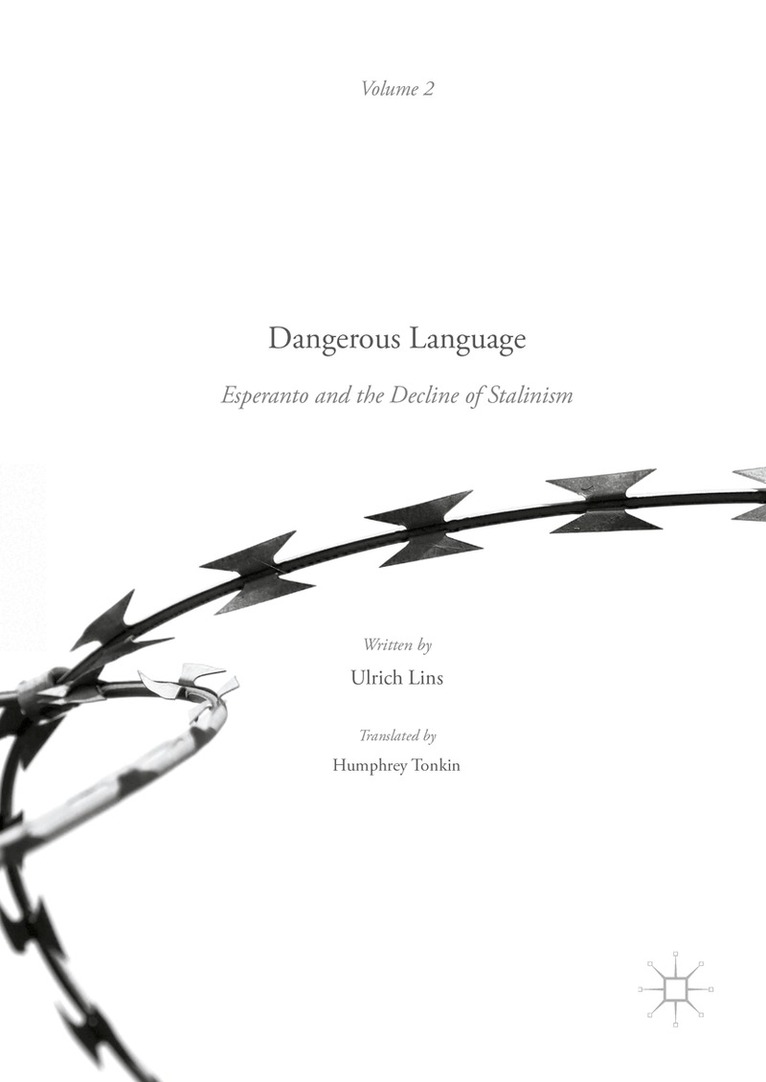
    Dangerous Language — Esperanto and the Decline of Stalinism

    AvUlrich Lins

    Inbunden, Engelska, 2017

    1 007 kr

    Beställningsvara. Skickas inom 10-15 vardagar. Fri frakt över 249 kr.

    Fler format och utgåvor

    Häftad

    317 kr

    E-bok

    432 kr

    Beskrivning

    This is Volume 2 of Dangerous Language. This book examines the rise of the international language Esperanto, launched in 1887 as a proposed a solution to national conflicts and a path to a more tolerant world. The chapters in this volume examine the position of Esperanto in Eastern Europe during the Cold War; in particular it explores Stalin’s final years and the gradual re-emergence of the Esperanto movement. At first, its revival was limited to the satellite countries, especially Bulgaria and Poland, but, with Stalinism’s gradual retreat, Esperanto organizations reappeared in most East European countries and eventually in the Soviet Union itself. The progress was uneven, and its details reveal the stresses and strains that became apparent as the solidarity of the Soviet bloc declined. This book will appeal to a wide readership, including linguists, historians, political scientists and others interested in the history of the twentieth century from the unusual perspective of language. This volume is complemented by the sister volume Dangerous Language — Esperanto under Hitler and Stalin which offers a concentration on the creation and early emergence of Esperanto as an international language.

    Produktinformation

    • Utgivningsdatum:2017-02-20
    • Mått:148 x 210 x 17 mm
    • Vikt:403 g
    • Format:Inbunden
    • Språk:Engelska
    • Antal sidor:198
    • Upplaga:17001
    • Förlag:Palgrave Macmillan
    • ISBN:9781352000191
    • Översättare:Humphrey Tonkin

    Utforska kategorier

    • Språk: historia och allmänt inom Språk och ordböcker
    • Europas historia inom Historia och arkeologi
    • Språkvetenskap och lingvistik inom Språk och ordböcker

    Mer om författaren

    Ulrich Lins received his doctorate at the University of Cologne, Germany, with a dissertation on Japanese nationalism (published in 1976). For thirty years he worked for DAAD, the German Academic Exchange Service in its headquarters in Bonn, and served two tours of duty as head of its office in Tokyo. He has edited numbers of books in German and Japanese on German-Japanese relations and on Germany following reunion. The present volume, written originally in Esperanto, has appeared in German, Italian, Japanese, Korean, Russian, and Lithuanian translations.Humphrey Tonkin is President Emeritus of the University of Hartford, USA, where he served as University Professor of Humanities. He studied English and comparative literature at Cambridge and Harvard (Ph.D. 1966) and has written widely on literary topics and on international education and language policy. He has published numbers of translations from English to Esperanto and from Esperanto to English.

    Innehållsförteckning

    • - PART I: THE DEATH OF ESPERANTO IN THE SOVIET UNION.- Chapter 1: The events of 1937-38.- Chapter 2: Esperantists in the Great Purge.- Chapter 3: The emergence of Soviet patriotism.- Chapter 4: International correspondence.- Chapter 5: Silence descends.- PART II: ESPERANTO REBORN.- Chapter 6: After the Second World War: The Great Silence in Eastern Europe.- Chapter 7: Stalin against Marr.- Chapter 8: The needs of the present.- Chapter 9: Revival of the movement.- Chapter 10: Eastern Europe: progress and problems.- Chapter 11: The Soviet Union: between hope and doubt.- PART III: CONCLUSION.- Chapter 12: Conclusion: Dangerous Language or Language of Hope?.