• Fri frakt över 249 kr
  • •
  • Snabba leveranser
  • •
  • Billiga böcker
Kundservice

Du är på sajten för privatpersoner.

Företag, bibliotek eller offentlig verksamhet?

Du handlar på classic.bokus.com, där alla dina funktioner finns intakta.
Till classic.bokus.com
Bokus logotyp. Gå till startsidan.
  • Erbjudanden
  • Nyheter
  • Student
  • Topplistor
  • Barn & ungdom
  • Bokus Play
  • E-böcker
  • Pocketböcker
  • Spel & pussel

Må bättre, för mindre! Upp till 50% rabatt på hälsoböcker

Sidfot

Mina sidor

    Hjälp

    • Kundservice
    • Vanliga frågor och svar
    • Frakt och leverans
    • Retur vid ångerrätt
    • Reklamera vara
    • Betalning
    • Köpvillkor
    • Allmänna villkor
    • Information om webbplatsens tillgänglighet

    Om Bokus

    • Om oss
    • Pressrum
    • För studenter
    • För företag
    • För bibliotek och offentlig verksamhet
    • För leverantörer
    • Hållbarhet

    Populärt

    • Aktuella erbjudanden
    • Presentkort
    • Studentlitteratur
    • Nya böcker
    • Topplistor
    • Signerade böcker
    • Engelska böcker

    Inspiration

    • Boktips
    • BookTok
    • Populära bokserier
    • Barnbokskaraktärer
    • Populära författare
    Logotyp för Bokus
    Följ oss på Facebook (extern länk)Följ oss på Instagram (extern länk)Följ oss på YouTube (extern länk)Följ oss på TikTok (extern länk)
    bokus @ CookiesAnpassa cookiesIntegritetspolicyKöpvillkor
    Till Citymail hemsida (extern länk)Till Budbee hemsida (extern länk)Till Postnord hemsida (extern länk)Till Schenker hemsida (extern länk)Till Early Bird hemsida (extern länk)Till Walleys hemsida (extern länk)
    1. Samhälle och politik
    2. Samhälle och kultur
    3. Sociala och etiska frågor
    4. Våld och övergrepp

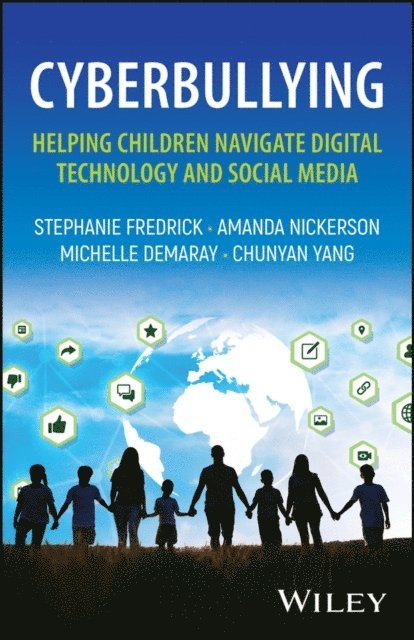
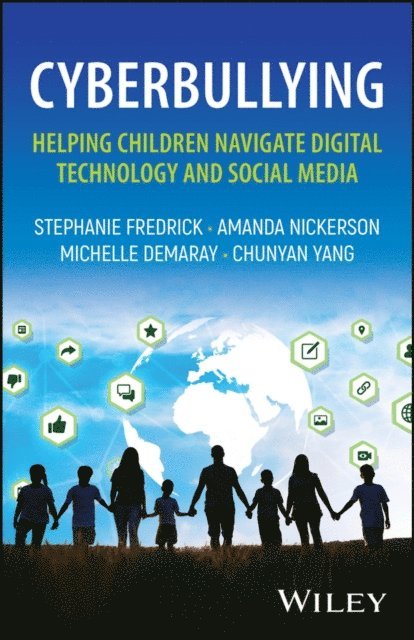
    Cyberbullying: Helping Children Navigate Digital Technology and Social Media

    AvStephanie Fredrick,Amanda Nickerson

    Häftad, Engelska, 2025

    312 kr

    Beställningsvara. Skickas inom 5-8 vardagar. Fri frakt över 249 kr.

    Beskrivning

    Cyberbullying: Helping Children Navigate Digital Technology and Social Media is a practical resource for addressing bullying and aggressive behaviors online. Authored by school psychologists, this book offers a balanced perspective on keeping kids safe online in ways that promote positive development. Finding accurate guidance for helping children navigate their digital world can be challenging. This resource counters misinformation and media-fueled negativity by presenting a thoughtful account of the dangers and benefits of digital technology and social media. Key features include: Research-informed insights into youth social-emotional development including peer relationships, aggression, and bullyingEvidence-based information and strategies to guide children on how to use technology responsibly and positively and communicate openly about cyberbullyingLegal implications and international considerations for cyberbullying and related online aggressive behaviorThis book's practical approach will be invaluable to families, educators, and anyone working with children who care about their well-being.

    Produktinformation

    • Utgivningsdatum:2025-03-25
    • Mått:140 x 213 x 20 mm
    • Vikt:249 g
    • Format:Häftad
    • Språk:Engelska
    • Antal sidor:240
    • Förlag:John Wiley & Sons Inc
    • ISBN:9781394276783

    Utforska kategorier

    • Våld och övergrepp inom Samhälle och politik
    • Digital livsstil och datorspel inom Data och IT
    • Barnpsykologi och utvecklingspsykologi inom Psykologi och pedagogik

    Mer om författaren

    Stephanie Fredrick, PhD, is an Associate Professor of School Psychology and Associate Director of the Alberti Center for Bullying Abuse Prevention at the University at Buffalo, the State University of New York. Her research investigates risk and protective factors for bullying and cyberbullying, youth digital media use, and school mental health. Dr. Fredrick is a licensed psychologist, a Nationally Certified School Psychologist, and associate editor of the Journal of School Psychology. She has written over 40 publications and book chapters and frequently partners with schools to consult on bullying and cyberbullying, digital media use, and youth mental health. Amanda Nickerson, PhD, is a SUNY Distinguished Professor of School Psychology and Director of the Alberti Center for Bullying Abuse Prevention at the University at Buffalo, the State University of New York. Her research focuses on understanding, preventing, and intervening with crises, violence, bullying, and abuse, as well as building social-emotional strengths and supports for youth. She has written over 130 publications and conducted over 350 presentations at professional conferences and to school and community groups. She is a licensed psychologist, Nationally Certified School Psychologist, and fellow of the American Psychological Association. Michelle Demaray, PhD, is a Northern Illinois University Board of Trustees and Presidential Research Professor. She is a Licensed Clinical Psychologist and Certified School Psychologist. Dr. Demaray was the prior editor of the Journal of School Psychology and is a fellow of the American Psychological Association. Her research is focused on bullying and victimization and social support. She has written 90 publications and conducted 200 presentations at professional conferences. She co-authored a Tier 2 intervention for youth at risk of social emotional difficulties. She has been a Project Director or Co-Director on training and research grants totaling over 10 million dollars. Chunyan Yang, PhD, is an Associate Professor of School Psychology in Department of Counseling, Higher Education, and Special Education at the University of Maryland, College Park. Her research explores how school community members interact with their ecological contexts to build resilience against risks like bullying, cyberbullying, problematic internet use, teacher-targeted violence, and mental health challenges. She has published over 80 scholarly works and given more than 100 presentations at national and international conferences. She is a Nationally Certified School Psychologist, an associate editor of School Psychology Review and a Research Fellow of the Jacobs Foundation.

    Innehållsförteckning

    • Preface ixAcknowledgments xi1 Peer Relationships and Bullying Over the Years 1Peer Relationships in Infancy, Toddlerhood, and Early Childhood 2Peer Relationships in Middle and Late Childhood 4Peer Relationships in Adolescence 5Role of Digital Technology in Peer Relationships 8Bullying and Cyberbullying 11References 152 Digital Media Use: The Early Years 23What Is Digital Media and Technology? 24Evolution of Digital Media and Technology 24Digital Media Use from Infancy to Childhood 28Research Methods and Terminology 32Effects of Digital Media Use on Child Development 34Parent Media Practices and Joint Media Engagement 36Summary 39References 403 Digital Media Use: The Preteen and Teenage Years 45Digital Media Use Among Preteens and Teens 45Smartphone Use 48Effects of Digital Media Use 49Digital Media Use and Youth Mental Health 50Digital Media Use and Youth Physical Health 54Digital Media Use and Youth Academic Performance 56Benefits of Digital Media Use 58Summary 59References 604 Cyberbullying and Other Forms of Cyber Aggression 67Impact of Cyberbullying 73Why Do Youth Engage in Cyberbullying? 75Risk and Protective Factors 79Risk and Protective Factors for Being Cyberbullied 81Risk and Protective Factors for Cyberbullying Others 84Digital Self-Harm 85References 885 Helping Children Navigate Social and Digital Life 95Supporting Social-Emotional Competencies and Building Positive Peer Relationships 95Promoting Safe Media Use 99Model Responsible Behavior on Social Media 99Promote Healthy Online Use 100Talk About Online Lives 100Co-use Media 101Engage in Active Mediation 102Support Youth to Engage in Bystander Intervention in Online Spaces 104Set Limits 105Deciding If and When to Give a Child a Smartphone 106Setting Rules About Digital Technology Use 107Monitor Use 109Resources for Parents and Educators 110References 1126 Families Role in Recognizing and Responding to Problematic Online Behaviors 117Warning Signs 118Responding to Cyberbullying Involvement 123Responding to Problematic Social Media Use and Gaming 126Outside Interventions for Problematic Online Behavior 128Responding to Digital Self-Harm 130Summary 130References 1317 Schools’ Role in Preventing Cyberbullying and Other Forms of Cyber Aggression 135The Importance of Schools and Family Involvement in Cyberbullying Prevention 136What Is a Multi-tiered Support System? 137Social and Emotional Learning and School-wide Digital Citizenship Programs 138Positive Behavior Intervention Support 147School-wide and Classroom-wide Mindfulness Programs 150Restorative Justice Approaches 151Trauma-Informed Programs 152Summary 153References 1548 School–Family Partnership 159Communicating with the School 159Whom Should I Contact at the School If My Child Is Being Cyberbullied? 160What Information Should I Share? 161What Should I Expect from the School? 163The Bullying Is Still Happening: How Can I Best Advocate for My Child? 165How Can I Work with the School If My Child Is Cyberbullying Others? 167How Can I Work with the School If My Child Is a Bystander of Cyberbullying? 168How Educators Can Best Partner with Families? 169Engage in Effective Two-Way Communication 169Focus on Shared Decision-Making 171References 1749 Legal Implications: Problematic Online Behavior and the Law 179Federal Laws for Harassment 179State Laws and School District Policies for Cyberbullying 181Civil Law Regarding Cyberbullying 183Davis v. Monroe County Board of Education (1999) 184J.S. v. Bethlehem Area School District (2002) 184Tinker v. Des Moines Independent School District (1969) 184When Should School Districts Intervene? 185Criminal Cyberbullying Behaviors 186Sexting 187Legal Implications of Sexting 188Responding to Sexting 189Online Predators 190Summary 191References 19210 International Efforts to Address Cyberbullying and Other Forms of Cyber Aggression 195Global Trends of Cyberbullying 195International Digital Citizenship and Parenting Practices 196Laws and Policies on Internet and Device Use Across the Globe 199DCE Across the Globe 199DCE in Europe 200DCE in Asia and the Global South 204Summary 209References 209Subject Index 215