• Fri frakt över 249 kr
  • •
  • Snabba leveranser
  • •
  • Billiga böcker
Kundservice

Du är på sajten för privatpersoner.

Företag, bibliotek eller offentlig verksamhet?

Du handlar på classic.bokus.com, där alla dina funktioner finns intakta.
Till classic.bokus.com
Bokus logotyp. Gå till startsidan.
  • Erbjudanden
  • Nyheter
  • Student
  • Topplistor
  • Barn & ungdom
  • Bokus Play
  • E-böcker
  • Pocketböcker
  • Spel & pussel

10% studentrabatt med kod TERM26

Sidfot

Mina sidor

    Hjälp

    • Kundservice
    • Vanliga frågor och svar
    • Frakt och leverans
    • Retur vid ångerrätt
    • Reklamera vara
    • Betalning
    • Köpvillkor
    • Allmänna villkor
    • Information om webbplatsens tillgänglighet

    Om Bokus

    • Om oss
    • Pressrum
    • För studenter
    • För företag
    • För bibliotek och offentlig verksamhet
    • För leverantörer
    • Hållbarhet

    Populärt

    • Aktuella erbjudanden
    • Presentkort
    • Studentlitteratur
    • Nya böcker
    • Topplistor
    • Signerade böcker
    • Engelska böcker

    Inspiration

    • Boktips
    • BookTok
    • Populära bokserier
    • Barnbokskaraktärer
    • Populära författare
    Logotyp för Bokus
    Följ oss på Facebook (extern länk)Följ oss på Instagram (extern länk)Följ oss på YouTube (extern länk)Följ oss på TikTok (extern länk)
    bokus @ CookiesAnpassa cookiesIntegritetspolicyKöpvillkor
    Till Citymail hemsida (extern länk)Till Budbee hemsida (extern länk)Till Postnord hemsida (extern länk)Till Schenker hemsida (extern länk)Till Early Bird hemsida (extern länk)Till Walleys hemsida (extern länk)
    1. Skönlitteratur
    2. Litteraturvetenskap
    3. Litteraturvetenskap

    Victorian Women’s Poetry and the Science of Society

    Sociology in Verse

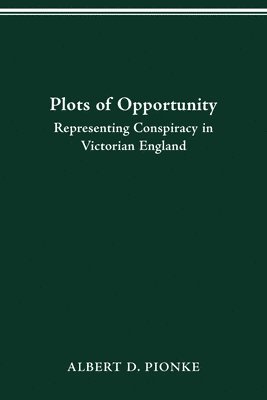
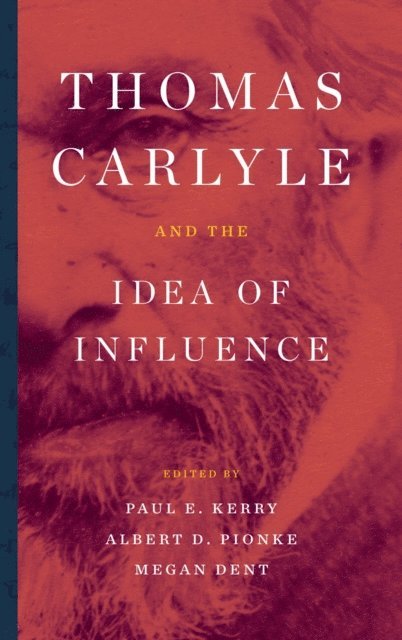
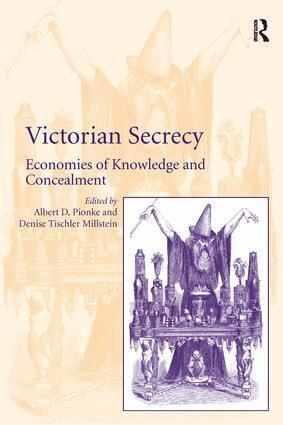
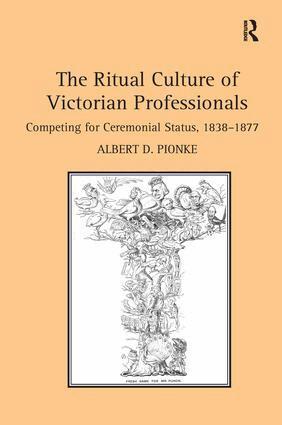
    AvAlbert D. Pionke

    Inbunden, Engelska, 2026

    1 335 kr

    Beställningsvara. Skickas inom 7-10 vardagar. Fri frakt över 249 kr.

    Beskrivning

    This book recognises women poets as incisive participants in nineteenth-century socio-literary history. It shows that women, including women poets, contributed to the conceptual integration and eventual professionalisation of literature and sociology from the beginning. Presenting fresh readings of poetry by Elizabeth Barrett Browning, George Eliot, Harriet Martineau and Augusta Webster, the book combines qualitative and quantitative analysis of the sociological factors contributing to women poets’ exclusion during the initial period of literary cannon formation. It also accounts for women poets’ subsequent exclusion from socio-literary history by re-examining the process of literary canonisation that was catalysed by elementary education reform and sociologically warranted educational theory in the final decades of the century.

    Produktinformation

    • Utgivningsdatum:2026-06-30
    • Mått:156 x 234 x 14 mm
    • Vikt:481 g
    • Format:Inbunden
    • Språk:Engelska
    • Antal sidor:216
    • Förlag:Edinburgh University Press
    • ISBN:9781399531023

    Utforska kategorier

    • Litteraturvetenskap inom Skönlitteratur
    • Genusvetenskap inom Samhälle och politik

    Mer om författaren

    Albert D. Pionke is the William and Margaret Going Endowed Professor of English and Associate Dean of General Education and Academic Affairs in the College of Arts and Sciences at the University of Alabama.

    Recensioner i media

    Albert Pionke examines the poetry of Martineau, Eliot, Webster and EBB in terms of contemporaneous sociological theory and applies a sociological model to the canonical erasure of women. Among other contributions, Pionke extends discussion of Aurora Leigh’s critique of theory beyond Fourier to Blanc, Cabet, Comte, Considerant and Proudhon.

    Innehållsförteckning

    • AcknowledgmentsIntroduction: Re-versing Victorian Sociology1. The Socio-poetics of Harriet Martineau and George Eliot2. Social Network Theory in the Poetry of Augusta Webster3. Transcending French Social Thought with Elizabeth Barrett Browning4. The Sociology of Excluding Women Poets from the CurriculumConclusion: Socio-poetic Exclusion beyond the 1880s and the Case of A. Mary F. RobinsonBibliographyIndex