E-bok, Engelska, 2016
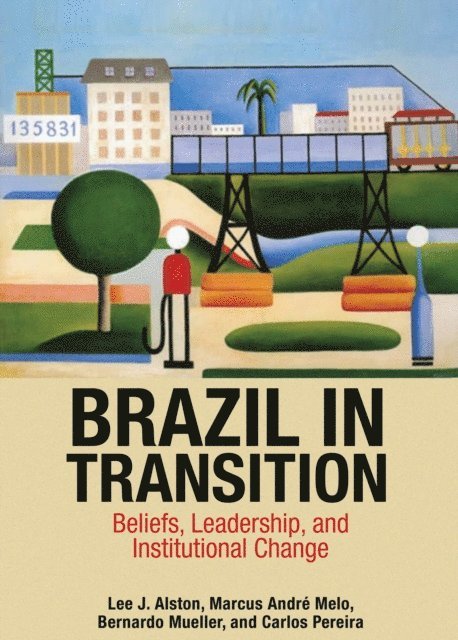
Brazil in Transition
Av Carlos Pereira, Bernardo Mueller, Marcus Andre Melo, Lee J. Alston
647 kr
Läs direkt i Bokus Reader – eller ladda ned till din enhet
Beskrivning
Brazil is the world''s sixth-largest economy, and for the first three-quarters of the twentieth century was one of the fastest-growing countries in the world. While the country underwent two decades of unrelenting decline from 1975 to 1994, the economy has rebounded dramatically. How did this nation become an emerging power? Brazil in Transition looks at the factors behind why this particular country has successfully progressed up the economic development ladder. The authors examine the roles of beliefs, leadership, and institutions in the elusive, critical transition to sustainable development.
Analyzing the last fifty years of Brazil''s history, the authors explain how the nation''s beliefs, centered on social inclusion yet bound by orthodox economic policies, led to institutions that altered economic, political, and social outcomes. Brazil''s growth and inflation became less variable, the rule of law strengthened, politics became more open and competitive, and poverty and inequality declined. While these changes have led to a remarkable economic transformation, there have also been economic distortions and inefficiencies that the authors argue are part of the development process.
Brazil in Transition demonstrates how a dynamic nation seized windows of opportunity to become a more equal, prosperous, and rules-based society.
Produktinformation
- Utgivningsdatum: 2016-05-24
- Språk: Engelska
- Filformat: EPUB
- Kopieringsskydd: LCP
- ISBN: 9781400880942
- Förlag: Princeton University Press
Utforska kategorier
Betyg & recensioner
0 recensioner
Inga recensioner tillgängliga.