• Fri frakt över 249 kr
  • •
  • Snabba leveranser
  • •
  • Billiga böcker
Kundservice

Du är på sajten för privatpersoner.

Företag, bibliotek eller offentlig verksamhet?

Du handlar på classic.bokus.com, där alla dina funktioner finns intakta.
Till classic.bokus.com
Bokus logotyp. Gå till startsidan.
  • Erbjudanden
  • Nyheter
  • Student
  • Topplistor
  • Barn & ungdom
  • Bokus Play
  • E-böcker
  • Pocketböcker
  • Spel & pussel

10% rabatt på allt med kod: NYSTART10 →

Sidfot

Mina sidor

    Hjälp

    • Kundservice
    • Vanliga frågor och svar
    • Frakt och leverans
    • Retur vid ångerrätt
    • Reklamera vara
    • Betalning
    • Köpvillkor
    • Allmänna villkor
    • Information om webbplatsens tillgänglighet

    Om Bokus

    • Om oss
    • Pressrum
    • För studenter
    • För företag
    • För bibliotek och offentlig verksamhet
    • För leverantörer
    • Hållbarhet

    Populärt

    • Aktuella erbjudanden
    • Presentkort
    • Studentlitteratur
    • Nya böcker
    • Topplistor
    • Signerade böcker
    • Engelska böcker

    Inspiration

    • Boktips
    • BookTok
    • Populära bokserier
    • Barnbokskaraktärer
    • Populära författare
    Logotyp för Bokus
    Följ oss på Facebook (extern länk)Följ oss på Instagram (extern länk)Följ oss på YouTube (extern länk)Följ oss på TikTok (extern länk)
    bokus @ CookiesAnpassa cookiesIntegritetspolicyKöpvillkor
    Till Citymail hemsida (extern länk)Till Budbee hemsida (extern länk)Till Postnord hemsida (extern länk)Till Schenker hemsida (extern länk)Till Early Bird hemsida (extern länk)Till Walleys hemsida (extern länk)
    1. Naturvetenskap och teknik
    2. Matematik och naturvetenskap
    3. Biologi
    4. Biovetenskap

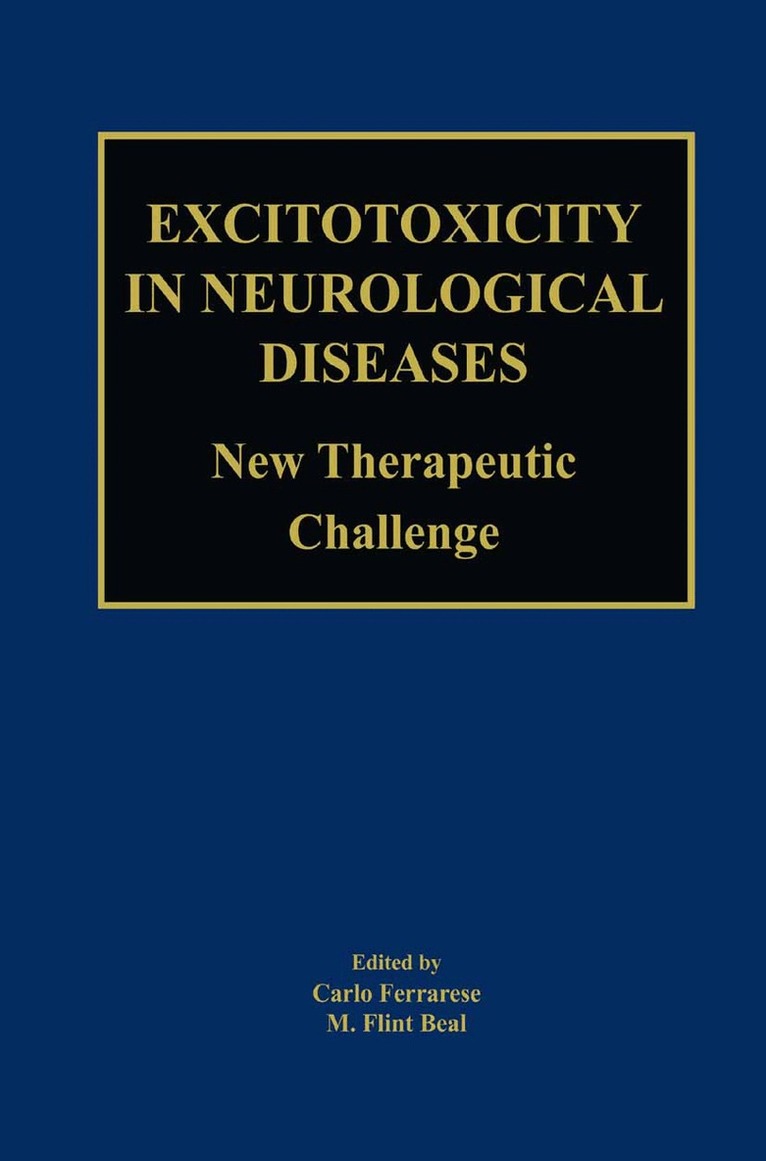
    Excitotoxicity in Neurological Diseases

    New Therapeutic Challenge

    AvCarlo Ferrarese,M. Flint Beal

    Inbunden, Engelska, 2003

    1 626 kr

    Beställningsvara. Skickas inom 10-15 vardagar. Fri frakt över 249 kr.

    Beskrivning

    It can be reasonably anticipated that, over the next generations, the proportion of elderly people will remarkably increase and, with this, the number ofpersons suffering from acute (e.g. cerebral ischemia) or chronic neurodegenerative disorders. To date, approved drugs only alleviate the symptoms ofthese diseases (for instance, acetylcholinesterase inhibitors in Alzheimer disease and L-dopa and dopamine-agonists in Parkinson disease), while none seems to stop the progression of the degenerative processes underlying them. The development of effective preventive or protective therapies has been impeded by the limitations of our knowledge of the causes and the mechanisms by which neurons die in neurodegenerative disorders. Evidence accumulated in the past 20 years indicated that the major excitatory neurotransmitter glutamate may play a role as neurotoxin in several conditions. In particular, the glutamatergic system dysfunction seems to be an early event working as a common pathway in the pathogenesis ofa large number ofacute and chronic neurological disorders, in strict conjunction with other important mechanisms, such as oxidative stress and energetic failure, and probably triggered by different mechanisms in various diseases. In consideration of that, drug discovery efforts over the last decade have been focused on the search for drugs that either reduce glutamate synaptic levels or block its postsynaptic effects. Despite numerous reviews on basic mechanisms and clinical aspects ofthe excitotoxic phenomenon, so far no comprehensive book has covered the topic in all its complexity, starting from basic pharmacological mechanisms, to .animal models of diseases and finally to clinical pathogenic and therapeutic implications.

    Produktinformation

    • Utgivningsdatum:2003-12-31
    • Mått:155 x 235 x 25 mm
    • Vikt:735 g
    • Format:Inbunden
    • Språk:Engelska
    • Antal sidor:362
    • Upplaga:2004
    • Förlag:Kluwer Academic Publishers
    • ISBN:9781402076800

    Utforska kategorier

    • Biovetenskap inom Naturvetenskap och teknik

    Innehållsförteckning

    • and historical notes.- I: Basic mechanisms.- 1. Contribution of astrocyte glutamate release to excitotoxicity.- 2. Glutamate uptake and transporters.- 3. NMDA receptors.- 4. AMPA receptor and synaptic plasticity.- 5. Metabotropic glutamate receptors and neurodegeneration.- 6. Mechanisms of excitotoxicity and excitoprotection.- II: Acute and chronic neurological disorders.- 7. Epilepsy and seizures: excitotoxicity or excitotrophicity?.- 8. Excitotoxicity in cerebral ischemia.- 9. Excitotoxicity and traumatic brain injury.- 10. Excitotoxicity in amyotrophic lateral sclerosis: selective vulnerability of motor neurons.- 11. Glutamate transmission in the pathogenesis of Parkinson’s disease.- 12. Excitotoxicity in Huntington’s Disease.- 13. The glutamatergic system in Alzheimer’s disease brain: dysfunction associated with amyloid ?-peptide and oxidative stress.- 14. Neurotoxicity and prion disease.- 15. Glutamate excitotoxicity in multiple sclerosis.- 16. HIV-1 associated dementia.- 17. Markers of excitotoxicity in patients: tool for diagnosis or therapy?.- 18. Anti-excitotoxic therapies in neurological diseases: current evidences and new perspectives.