• Fri frakt över 249 kr
  • •
  • Snabba leveranser
  • •
  • Billiga böcker
Kundservice

Du är på sajten för privatpersoner.

Företag, bibliotek eller offentlig verksamhet?

Du handlar på classic.bokus.com, där alla dina funktioner finns intakta.
Till classic.bokus.com
Bokus logotyp. Gå till startsidan.
  • Erbjudanden
  • Nyheter
  • Student
  • Topplistor
  • Barn & ungdom
  • Bokus Play
  • E-böcker
  • Pocketböcker
  • Spel & pussel

10% rabatt på allt med kod NYSTART10 →

Sidfot

Mina sidor

    Hjälp

    • Kundservice
    • Vanliga frågor och svar
    • Frakt och leverans
    • Retur vid ångerrätt
    • Reklamera vara
    • Betalning
    • Köpvillkor
    • Allmänna villkor
    • Information om webbplatsens tillgänglighet

    Om Bokus

    • Om oss
    • Pressrum
    • För studenter
    • För företag
    • För bibliotek och offentlig verksamhet
    • För leverantörer
    • Hållbarhet

    Populärt

    • Aktuella erbjudanden
    • Presentkort
    • Studentlitteratur
    • Nya böcker
    • Topplistor
    • Signerade böcker
    • Engelska böcker

    Inspiration

    • Boktips
    • BookTok
    • Populära bokserier
    • Barnbokskaraktärer
    • Populära författare
    Logotyp för Bokus
    Följ oss på Facebook (extern länk)Följ oss på Instagram (extern länk)Följ oss på YouTube (extern länk)Följ oss på TikTok (extern länk)
    bokus @ CookiesAnpassa cookiesIntegritetspolicyKöpvillkor
    Till Citymail hemsida (extern länk)Till Budbee hemsida (extern länk)Till Postnord hemsida (extern länk)Till Schenker hemsida (extern länk)Till Early Bird hemsida (extern länk)Till Walleys hemsida (extern länk)
    1. Psykologi och pedagogik
    2. Pedagogik
    3. Utbildningsstrategier och utbildningspolitik

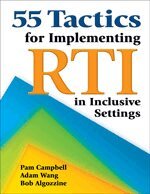
    55 Tactics for Implementing RTI in Inclusive Settings

    AvPam Campbell,Adam Wang

    Inbunden, Engelska, 2009

    1 311 kr

    Beställningsvara. Skickas inom 3-6 vardagar. Fri frakt över 249 kr.

    Fler format och utgåvor

    Häftad

    643 kr

    Beskrivning

    "This exceptionally practical book can make a real difference in every classroom. Educators who follow the wisdom in this book and apply the specific tactics will ensure success for all students. The authors present a healthy attitude toward educators taking personal responsibility to teach for learning."—Wanda Oden, Assistant SuperintendentKingman Unified School District No. 20, AZ"Teaching diverse learners in inclusive settings can be an overwhelming task. This book is my bible for effectively completing multiple tasks with my students, who often have varying needs."—Tina M. Guard, Graduate Student and TeacherUniversity of NevadaBoost academic achievement for all students in your inclusive classroom!As schools implement RTI in general education settings, educators need easy access to information about effective teaching and intervention tactics for the diverse learners in their classrooms. This resource provides all teachers, regardless of level, experience, or area of specialization, with effective instructional strategies for students with or without disabilities and across grade levels and content areas.Drawing from evidenced-based models of instruction, 55 Tactics for Implementing RTI in Inclusive Settings is organized around four components of instruction—planning, managing, delivering, and evaluating. In addition to 55 classroom-tested, how-to tactics backed by research, this book includes:Accommodations and modifications to adapt tactics to meet individual instructional needsIllustrations showing how to implement tactics within each tier of a three-tier RTI frameworkRelevant examples from teachers in the fieldA wealth of reproducibles, worksheets, and forms for immediate useReferences and additional readingsThis valuable guide provides the support teachers need to meet the increasingly diverse needs of today′s classrooms and ensure that all students have the opportunity to succeed.

    Produktinformation

    • Utgivningsdatum:2009-12-22
    • Mått:215 x 279 x 16 mm
    • Vikt:790 g
    • Format:Inbunden
    • Språk:Engelska
    • Antal sidor:216
    • Förlag:SAGE Publications Inc
    • ISBN:9781412942393

    Utforska kategorier

    • Utbildningsstrategier och utbildningspolitik inom Psykologi och pedagogik
    • Specialundervisning inom Psykologi och pedagogik

    Mer om författaren

    Pam Campbell is an associate professor in the Department of Special Education at the University of Nevada, Las Vegas. During her 35 years as an educator, she has taught university courses in instruction, assessment, curriculum, and classroom management for both general and special educators. In addition, she has been a public school teacher in general education, Chapter I, and special education classrooms. She served in the dual role of university professor and coordinator of seven professional development schools (PDS) at the University of Connecticut and currently serves at UNLV as coordinator of the Paradise PDS. Her research interests focus on linking the preparation of teacher candidates and sustained professional development of practicing teachers through technology. Her work has been published in TEACHING Exceptional Children, Remedial and Special Education, Record in Educational Leadership, the Professional Educator, and the Council for Administrators of Special Education. She is also the coauthor of Improving Social Competence: Techniques for Elementary Teachers. She has served the field of special education through numerous local, state, regional, and national presentations and as field reviewer for Exceptional Children, the Journal of Special Education Technology, TEACHING Exceptional Children, and Teacher Education and Special Education. She earned her PhD at the University of Florida. Jianjun (Adam) Wang is senior instructional technology specialist at Williams College. He has been responsible for collaborating in the design and development of STRIDE. He has also been instrumental in the implementation of STRIDE in the preparation of future teachers, as well as the ongoing professional development of practicing educators. He has served as an instructor in technology courses and made several regional, national, and international conference presentations related to the effective implementation of technology in education. His research interests concern how educational technology can enhance human learning and focus on developing Web-based learning and teaching tools to enhance the undergraduate learning experience. He earned his MA from the University of Connecticut. Bob Algozzine is a professor in the Department of Educational Leadership at the University of North Carolina and project codirector of the U.S. Department of Education-supported Behavior and Reading Improvement Center. With 25 years of research experience and extensive firsthand knowledge of teaching students classified as seriously emotionally disturbed, Algozzine is a uniquely qualified staff developer, conference speaker, and teacher of behavior management and effective teaching courses. He is active in special education practice as a partner and collaborator with professionals in the Charlotte-Mecklenburg schools in North Carolina and as an editor of several journals focused on special education. Algozzine has written more than 250 manuscripts on special education topics, including many books and textbooks on how to manage emotional and social behavior problems.

    Recensioner i media

    "This exceptionally practical book can make a real difference in every classroom. Educators who follow with intensity the wisdom in this book and apply the specific tactics will ensure success for all students. The authors present a healthy attitude toward educators taking personal responsibility to teach for learning."

    Innehållsförteckning

    • PrefaceAcknowledgmentsAbout the AuthorsPart I. Planning Instruction1. Decide What to TeachAssess to Identify Gaps in PerformanceEstablish Logical Sequences of InstructionConsider Contextual Variables2. Decide How to TeachSet Instructional Goals/Establish Performance StandardsChoose Instructional Methods and MaterialsEstablish Grouping StructuresPace Instruction AppropriatelyMonitor Performance and Replan Instruction3. Communicate Realistic ExpectationsTeach Goals, Objectives, and StandardsTeach Students to Be Active, Involved LearnersTeach Students Consequences of PerformancePart II. Managing Instruction4. Prepare for InstructionSet Classroom Rules/Communicate and Teach Classroom RulesCommunicate Consequences of BehaviorHandle Disruptions EfficientlyTeach Students to Manage Their Own Behavior5. Use Time ProductivelyEstablish Routines and ProceduresOrganize Physical SpaceAllocate Sufficient Time to Academic Activities6. Establish Positive EnvironmentsMake the Classroom a Pleasant, Friendly PlaceAccept Individual DifferencesEstablish Supportive, Cooperative Learning EnvironmentsCreate a Nonthreatening Learning EnvironmentPart III. Delivering Instruction7. Present InformationGain and Maintain AttentionReview Prior Skills or LessonsProvide Organized, Relevant LessonsShow Enthusiasm and InterestUse Rewards EffectivelyConsider Level and Student InterestModel Thinking SkillsTeach Fact-Finding SkillsTeach Divergent ThinkingTeach Learning StrategiesDevelop AutomaticityVary Opportunities for Practice/Vary Methods of PracticeMonitor Amount of Work Assigned8. Monitor PresentationsGive Immediate, Frequent, Explicit Feedback/Provide Specific Praise and EncouragementModel Correct PerformanceProvide Prompts and CuesCheck Student UnderstandingMonitor Performance Regularly/Monitor Performance During PracticeUse Peers to Improve InstructionProvide Opportunities for Success/Limit Opportunities for FailureMonitor Engagement Rates9. Adjust PresentationsAdapt Lessons to Meet Student NeedsProvide Varied Instructional OptionsAlter PacePart IV. Evaluating Instruction10. Monitor Student UnderstandingCheck Understanding of DirectionsCheck Procedural UnderstandingMonitor Student Success Rate11. Monitor Engaged TimeCheck Student Participation/Teach Students to Monitor Their Own Participation12. Keep Records of Student ProgressTeach Students to Chart Their Own ProgressRegularly Inform Students of PerformanceMaintain Records of Student Performance13. Use Data to Make DecisionsUse Student Progress to Make Teaching DecisionsUse Data to Decide If More Services Are Warranted/Use Student Progress to Decide When to Discontinue ServicesAppendix A: RTI Accommodations/Modifications ChecklistAppendix B: RTI Accommodations/Modifications WorksheetAppendix C: Documentation of RTI Accomodations/ModificationsReferencesAdditional ReadingsSelected Internet Resources: RTI Accomodations/ModificationsIndex