• Fri frakt över 249 kr
  • •
  • Snabba leveranser
  • •
  • Billiga böcker
Kundservice

Du är på sajten för privatpersoner.

Företag, bibliotek eller offentlig verksamhet?

Du handlar på classic.bokus.com, där alla dina funktioner finns intakta.
Till classic.bokus.com
Bokus logotyp. Gå till startsidan.
  • Erbjudanden
  • Nyheter
  • Student
  • Topplistor
  • Barn & ungdom
  • Bokus Play
  • E-böcker
  • Pocketböcker
  • Spel & pussel

10% rabatt på allt med kod: NYSTART10 →

Sidfot

Mina sidor

    Hjälp

    • Kundservice
    • Vanliga frågor och svar
    • Frakt och leverans
    • Retur vid ångerrätt
    • Reklamera vara
    • Betalning
    • Köpvillkor
    • Allmänna villkor
    • Information om webbplatsens tillgänglighet

    Om Bokus

    • Om oss
    • Pressrum
    • För studenter
    • För företag
    • För bibliotek och offentlig verksamhet
    • För leverantörer
    • Hållbarhet

    Populärt

    • Aktuella erbjudanden
    • Presentkort
    • Studentlitteratur
    • Nya böcker
    • Topplistor
    • Signerade böcker
    • Engelska böcker

    Inspiration

    • Boktips
    • BookTok
    • Populära bokserier
    • Barnbokskaraktärer
    • Populära författare
    Logotyp för Bokus
    Följ oss på Facebook (extern länk)Följ oss på Instagram (extern länk)Följ oss på YouTube (extern länk)Följ oss på TikTok (extern länk)
    bokus @ CookiesAnpassa cookiesIntegritetspolicyKöpvillkor
    Till Citymail hemsida (extern länk)Till Budbee hemsida (extern länk)Till Postnord hemsida (extern länk)Till Schenker hemsida (extern länk)Till Early Bird hemsida (extern länk)Till Walleys hemsida (extern länk)
    1. Psykologi och pedagogik
    2. Pedagogik
    3. Pedagogisk metodik

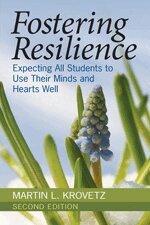
    Fostering Resilience

    Expecting All Students to Use Their Minds and Hearts Well

    AvMartin L. Krovetz

    Häftad, Engelska, 2008

    592 kr

    Beställningsvara. Skickas inom 3-6 vardagar. Fri frakt över 249 kr.

    Beskrivning

    "All administrators and teacher leaders need to study Krovetz′s volume on how excellent schools with caring, collaborative, and challenging cultures build self-efficacy and resilience in students with diverse abilities and social backgrounds."—James R. Bean, Professor of Leadership StudiesLock Haven UniversityGive students the care and support they need to build a successful future!This must-have handbook for education leaders illustrates the power of resiliency in the lives of students striving to succeed in school and life. Practical and reader-friendly, the text presents four elements that characterize resilient learning communities: care for students, high expectations, substantive support, and participation. The second edition of Fostering Resiliency features an added case study, revisits schools from the first edition, and describes how some schools stayed on track, how others fell away and then recovered, and how others are struggling to come back. School leaders will also find:Sample questionnaires, strategies, and tools for self-evaluation A list of critical elements for curriculum, instruction, and assessment practices Important considerations for teacher and administrator roles This powerful book illustrates how significant student achievement is possible despite socioeconomic disadvantages and how participants at every level can cultivate transformative systemic change.

    Produktinformation

    • Utgivningsdatum:2008-02-12
    • Mått:152 x 228 x 13 mm
    • Vikt:370 g
    • Format:Häftad
    • Språk:Engelska
    • Antal sidor:240
    • Upplaga:2
    • Förlag:SAGE Publications Inc
    • ISBN:9781412949590

    Utforska kategorier

    • Pedagogisk metodik inom Psykologi och pedagogik

    Mer om författaren

    Martin L. Krovetz is the director of the Leading for Equity and Achievement Design (LEAD) Center, a regional center of the Coalition of Essential Schools. From 1991 to 2006, he was a professor of educational leadership at San Jose State University. During this time, he developed and coordinated the Master’s in Collaborative Leadership Program. From 1977 to 1991, he was a high school principal in Santa Cruz, California. In addition to being the author of the Fostering Resillience, he is the author with Gilberto Arriaza of Collaborative Teacher Leadership: How Teachers Can Foster Equitable Schools, published by Corwin Press in 2006. He has published in numerous journals and presents at national conferences, including ASCD and the Coalition of Essential Schools. He received his PhD in social psychology from the University of North Carolina and BA from the University of Florida.

    Recensioner i media

    "A practical yet thought-provoking reminder that the way adults interact with each other and with kids plays a critical role in helping all students achieve. The research and the case studies make this book a must-read for all who care about schools."

    Innehållsförteckning

    • PrefaceAcknowledgmentsAbout the Author1. Whatever Happened to That Old Gang of Mine?DefinitionsWhatever Happened to That Old Gang of Theirs?Moving From Risk to ResilienceWhat Is This Resilience Stuff?Does the Presence of These Protective Factors Relate to Student Learning?Where Do We Go From Here?Case Study: Anzar High School2. Prerequisites: First Things FirstFirst Things First: The HeadThe Right Leg: CollegialityThe Left Leg: ProfessionalismThe Arms: Managing and Leading ChangeThe Heart: ResilienceCase Study: Oak Grove School District3. What′s in It for Me?CollegialityIntellectual StimulationVoiceRespectIncreased Job SatisfactionShared Ownership and LeadershipObstaclesWhat Does It Look Like?Why Me?What Do I Do First?Will There Be Public Schools in the Twenty-First Century?Case Study: Two Oak Grove Schools4. I Care, You Care, We All Care - But How Do Students Know?What Would a School Look Like Whose Culture Is Centered on Caring?What Would Curriculum, Instruction, and Assessment Be Like in a School That Is Centered on Caring?What Do Teacher and Administrator Roles Look Like in a School Focused on Caring?Case Study: Rosemary School and Cezar Chavez School5. Providing High Expectations and Purposeful SupportTaking the Easy Way OutHigh Expectations: Focus on LiteracyHigh Expectations: Habits of MindWhat Gets in the Way?What Else Gets in the Way?High Expectations Mean Believing That All Students Are Capable of Using Their Minds and Hearts WellPurposeful SupportWhat Would a School Look Like Whose Culture Is Centered on High Expectations and Purposeful Support?What Would Curriculum, Instruction, and Assessment Be Like in a School That Is Designed to Foster High Expectations and Purposeful Support for All Students?What Do Teacher and Administrator Roles Look Like in Such a School?Once Again, Does It Matter Which School a Child Attends?Case Study: Alum Rock Small Schools of Choice6. I Value Your Participation: Now Sit Down and Shut UpParticipation as the Third Protective FactorWhat Would a School Look Like Whose Culture Is Centered on Meaningful Participation by All Students?What Would Curriculum, Instruction, and Assessment Be Like in a School That Is Designed to Foster Meaningful Participation by All Students?More Details on Curriculum, Instruction, and AssessmentWhat Do Teacher and Administrator Roles Look Like in Such a School?Case Study: Homestead High School7. Managing Change: On Your Mark, Get Set, Are You Ready to Go?What We Do Know About ChangeWhat We Can Do With What We KnowThe Section You′ve All Been Waiting for: What About All the Resistance?A Final WordCase Study: Mission Hill Middle School8. Marty Krovetz′s Top 10 List of Commonly Asked Questions About ResilienceQuestion 10: Our staff is very congenial, and we are known for how caring we are with students. Aren′t we doing resilience already?Question 9: How can what happens in my classroom or in my school overcome the problems my students encounter outside of school?Question 8: What is the role of the district office in fostering resilience?Question 7: How do we coach our principal so that she sees the building of a resilient learning community as a priority?Question 6: How can we create change in individual teachers about attitudes and expectations towards certain groups of students such as Title l, English Language Learning, migrant, special education?Question 5: How do you get a mature staff that has a history of mistrust and private practice to talk with each other about fostering resilience?Question 4: How will we know we are succeeding in fostering resilience? What measures would we use? Who would we use them with? When would we use them?Question 3: Should we teach students about resilience and help them understand how to foster resilience in themselves?Question 2: Given the pressure of NCLB, how do we find time and resources to foster resilience?Question l: I am exhausted. How do I foster resilience for myself?9. A Final Word or TwoResourcesReferencesIndex