• Fri frakt över 249 kr
  • •
  • Snabba leveranser
  • •
  • Billiga böcker
Kundservice

Du är på sajten för privatpersoner.

Företag, bibliotek eller offentlig verksamhet?

Du handlar på classic.bokus.com, där alla dina funktioner finns intakta.
Till classic.bokus.com
Bokus logotyp. Gå till startsidan.
  • Erbjudanden
  • Student
  • Topplistor
  • Barn & ungdom
  • Bokus Play
  • E-böcker
  • Ljudböcker
  • Pocketböcker
  • Spel och pussel

5% studentrabatt – använd koden KURSBOK27 →

Sidfot

Mina sidor

    Hjälp

    • Kundservice
    • Vanliga frågor och svar
    • Frakt och leverans
    • Retur vid ångerrätt
    • Reklamera vara
    • Betalning
    • Köpvillkor
    • Allmänna villkor
    • Information om webbplatsens tillgänglighet

    Om Bokus

    • Om oss
    • Pressrum
    • För studenter
    • För företag
    • För bibliotek och offentlig verksamhet
    • För leverantörer
    • Hållbarhet

    Populärt

    • Aktuella erbjudanden
    • Presentkort
    • Studentlitteratur
    • Nya böcker
    • Topplistor
    • Signerade böcker
    • Engelska böcker

    Inspiration

    • Boktips
    • BookTok
    • Barnbokskaraktärer
    • Populära författare
    Logotyp för Bokus
    Följ oss på Facebook (extern länk)Följ oss på Instagram (extern länk)Följ oss på YouTube (extern länk)Följ oss på TikTok (extern länk)
    bokus @ CookiesAnpassa cookiesIntegritetspolicyKöpvillkor
    Till Citymail hemsida (extern länk)Till Budbee hemsida (extern länk)Till Postnord hemsida (extern länk)Till Schenker hemsida (extern länk)Till Early Bird hemsida (extern länk)Till Walleys hemsida (extern länk)
    1. Psykologi och pedagogik
    2. Psykologi
    3. Biologisk psykologi och neuropsykologi

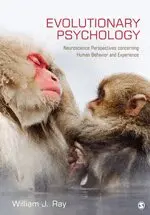
    Evolutionary Psychology

    Neuroscience Perspectives concerning Human Behavior and Experience

    AvWilliam J. Ray

    Inbunden, Engelska, 2012

    3 434 kr

    Beställningsvara. Skickas inom 3-6 vardagar. Fri frakt över 249 kr.

    Fler format och utgåvor

    E-bok

    1 442 kr

    Beskrivning

    Many books in evolutionary psychology emphasize just a small part of the total picture. William J. Ray's book gives students a clear understanding of how current psychological knowledge of human behavior and experience draws from a variety of perspectives. It begins with an understanding of evolution and the close connection between organisms and their environment, focusing on how the environment and genes can influence humans and the cultures of which they are a part. Using current research in social processes, decision making, and brain imaging, Ray explores how humans solve certain life problems in the same way that many non-human species do. He also highlights human abilities not seen in other species, including our ability to use language, develop culture, and create writings and art that can influence other humans thousands of years later. Written in a clear, easy-to-understand manner, the book emphasizes developmental processes and family relationships, sexual and social relationships, and emotionality and language. It concludes with an examination of health and disease, psychopathology, and culture, all seen through an evolutionary lens.

    Produktinformation

    • Utgivningsdatum:2012-03-14
    • Mått:177 x 254 x 32 mm
    • Vikt:1 140 g
    • Format:Inbunden
    • Språk:Engelska
    • Antal sidor:536
    • Upplaga:1
    • Förlag:SAGE Publications
    • ISBN:9781412995894

    Utforska kategorier

    • Biologisk psykologi och neuropsykologi inom Psykologi och pedagogik

    Mer om författaren

    William J. Ray is an Emeritus Professor of Psychology at Pennsylvania State University. He received his PhD from Vanderbilt University and was a Fellow in Medical Psychology at the University of California Medical Center in San Francisco. He received his undergraduate degree from Eckerd College, where he learned about the value of primary sources and the need to integrate information from a number of perspectives. As part of his clinical training, he has worked in a number of mental hospitals and clinics across the country, where he developed an appreciation of the experiences of those with mental disorders. In his career, he has served as a visiting professor and researcher at the University of Hawaii, Münster University, University of Rome, Tübingen University, and Konstanz University. At Penn State, he was the Director of the SCAN (Specialization in Cognitive and Affective Neuroscience) program and was previously the Director of the Clinical Psychology Program. His research has focused on approaching clinical questions from a neuroscience perspective. He has used psychophysiological and brain imaging techniques such as EEG, MEG, DTI, and fMRI to study emotionality, psychopathology, and individual differences. These studies can be found in his numerous articles, book chapters, and books. His work has been published in such journals as Science, Proceedings of the National Academy of Sciences, Journal of Neuroscience, Psychophysiology, Physiological Reviews, Journal of Personality and Social Psychology, Developmental Psychology, Journal of Abnormal Psychology, Cognitive Brain Research, Biological Psychology, NeuroImage, and Clinical Neurophysiology. This work has been funded by both national and international agencies including NIH, NIMH, NASA, NATO, and the DAAD. In addition to research, teaching has been an important part of his career. His textbooks include Abnormal Psychology, Methods Toward a Psychology of Behavior and Experience, Psychophysiological Methods (with Robert Stern & Karen Quigley), and Evolutionary Psychology: Neuroscience Perspectives Concerning Human Behavior and Experience.

    Recensioner i media

    "I would absolutely adopt it and recommend it."

    Innehållsförteckning

    • PART I: Introduction and BackgroundChapter 1: Introduction to an evolutionary perspectiveChapter 2: What is evolution?Chapter 3: Evolution and geneticsPART II: Basic human function and processChapter 4: Evolution of brain and functionChapter 5: Developmental processesChapter 6: EmotionalityChapter 7: LanguageChapter 8: Sex and genderChapter 9: Sexual selectionChapter 10: Kin and family relationshipsChapter 11: Social relationsChapter 12: Making social decisionsPART III: ApplicationsChapter 13: Health and diseaseChapter 14: PsychopathologyChapter 15: Culture