• Fri frakt över 249 kr
  • •
  • Snabba leveranser
  • •
  • Billiga böcker
Kundservice

Du är på sajten för privatpersoner.

Företag, bibliotek eller offentlig verksamhet?

Du handlar på classic.bokus.com, där alla dina funktioner finns intakta.
Till classic.bokus.com
Bokus logotyp. Gå till startsidan.
  • Erbjudanden
  • Nyheter
  • Student
  • Topplistor
  • Barn & ungdom
  • Bokus Play
  • E-böcker
  • Pocketböcker
  • Spel & pussel

10% rabatt på allt med kod: NYSTART10 →

Sidfot

Mina sidor

    Hjälp

    • Kundservice
    • Vanliga frågor och svar
    • Frakt och leverans
    • Retur vid ångerrätt
    • Reklamera vara
    • Betalning
    • Köpvillkor
    • Allmänna villkor
    • Information om webbplatsens tillgänglighet

    Om Bokus

    • Om oss
    • Pressrum
    • För studenter
    • För företag
    • För bibliotek och offentlig verksamhet
    • För leverantörer
    • Hållbarhet

    Populärt

    • Aktuella erbjudanden
    • Presentkort
    • Studentlitteratur
    • Nya böcker
    • Topplistor
    • Signerade böcker
    • Engelska böcker

    Inspiration

    • Boktips
    • BookTok
    • Populära bokserier
    • Barnbokskaraktärer
    • Populära författare
    Logotyp för Bokus
    Följ oss på Facebook (extern länk)Följ oss på Instagram (extern länk)Följ oss på YouTube (extern länk)Följ oss på TikTok (extern länk)
    bokus @ CookiesAnpassa cookiesIntegritetspolicyKöpvillkor
    Till Citymail hemsida (extern länk)Till Budbee hemsida (extern länk)Till Postnord hemsida (extern länk)Till Schenker hemsida (extern länk)Till Early Bird hemsida (extern länk)Till Walleys hemsida (extern länk)
    1. Samhälle och politik
    2. Samhälle och kultur
    3. Sociala och etiska frågor
    4. Diskriminering och rättvisa

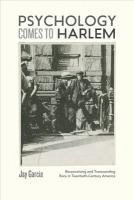
    Psychology Comes to Harlem

    Rethinking the Race Question in Twentieth-Century America

    AvJay Garcia

    Inbunden, Engelska, 2012

    Del i serien New Studies in American Intellectual and Cultural History

    507 kr

    Tillfälligt slut

    Beskrivning

    In the years preceding the modern civil rights era, cultural critics profoundly affected American letters through psychologically informed explorations of racial ideology and segregationist practice. Jay Garcia's probing look at how and why these critiques arose and the changes they wrought demonstrates the central role Richard Wright and his contemporaries played in devising modern antiracist cultural analysis. Departing from the largely accepted existence of a "Negro Problem", Wright and such literary luminaries as Ralph Ellison, Lillian Smith, and James Baldwin described and challenged a racist social order whose psychological undercurrents implicated all Americans and had yet to be adequately studied. Motivated by the elastic possibilities of clinical and academic inquiry, writers and critics undertook a rethinking of "race" and assessed the value of psychotherapy and psychological theory as antiracist strategies. Garcia examines how this new criticism brought together black and white writers and became a common idiom through fiction and nonfiction that attracted wide readerships.An illuminating picture of mid-twentieth-century American literary culture and learned life, "Psychology Comes to Harlem" reveals the critical and intellectual innovation of literary artists who bridged psychology and antiracism to challenge segregation.

    Produktinformation

    • Utgivningsdatum:2012-07-09
    • Mått:152 x 229 x 21 mm
    • Vikt:454 g
    • Format:Inbunden
    • Språk:Engelska
    • Serie:New Studies in American Intellectual and Cultural History
    • Antal sidor:232
    • Förlag:Johns Hopkins University Press
    • ISBN:9781421405193

    Utforska kategorier

    • Diskriminering och rättvisa inom Samhälle och politik
    • Etnicitet inom Samhälle och politik
    • Socialpsykologi och gruppsykologi inom Psykologi och pedagogik

    Mer om författaren

    Jay Garcia is an associate professor of comparative literature at New York University.

    Recensioner i media

    Garcia does an amazing job of condensing a topic and clearly sparking the dialectic for continued expansive discourse. This volume fills a void in exposing the psychologically informed critical vision vis-a-vis literary artists in the mid-20th century. Choice Psychology Comes to Harlem stages an acute and potentially highly productive intervention in scholarship on the history of representations of African Americans. -- Daniel Matlin Journal of American Studies Garcia provides a compelling narrative of the changing uses of psychological discourses in literary and critical social analyses from the 1940s to the 1960s. A strength of the book is the deftness with which Garcia moves across genres... The research for this monograph is clearly rigorous and thorough and Garcia handles a large body of secondary sources skillfully... Psychology Comes to Harlem is a worthy addition to the bookshelf of any student or scholar interested in the intellectual context of mid-20th-century antiracist novelists and social commentators. -- Gavan Lennon Journal of African American History

    Innehållsförteckning

    • AcknowledgmentsIntroduction1. Richard Wright Writing: The Unconscious Machinery of Race Relations2. Richard Wright Reading: The Promise of Social Psychiatry3. Race and Minorities from Below: The Wartime Cultural Criticism of Chester Himes, Horace Cayton, Ralph Ellison, and C. L. R. James4. Strange Fruit: Lillian Smith and the Making of Whiteness5. Notes on a Native Son: James Baldwin in Postwar AmericaConclusionNotesEssay on SourcesIndex