• Fri frakt över 249 kr
  • •
  • Snabba leveranser
  • •
  • Billiga böcker
Kundservice

Du är på sajten för privatpersoner.

Företag, bibliotek eller offentlig verksamhet?

Du handlar på classic.bokus.com, där alla dina funktioner finns intakta.
Till classic.bokus.com
Bokus logotyp. Gå till startsidan.
  • Erbjudanden
  • Nyheter
  • Student
  • Topplistor
  • Barn & ungdom
  • Bokus Play
  • E-böcker
  • Pocketböcker
  • Spel & pussel

10% rabatt på allt med kod NYSTART10 →

Sidfot

Mina sidor

    Hjälp

    • Kundservice
    • Vanliga frågor och svar
    • Frakt och leverans
    • Retur vid ångerrätt
    • Reklamera vara
    • Betalning
    • Köpvillkor
    • Allmänna villkor
    • Information om webbplatsens tillgänglighet

    Om Bokus

    • Om oss
    • Pressrum
    • För studenter
    • För företag
    • För bibliotek och offentlig verksamhet
    • För leverantörer
    • Hållbarhet

    Populärt

    • Aktuella erbjudanden
    • Presentkort
    • Studentlitteratur
    • Nya böcker
    • Topplistor
    • Signerade böcker
    • Engelska böcker

    Inspiration

    • Boktips
    • BookTok
    • Populära bokserier
    • Barnbokskaraktärer
    • Populära författare
    Logotyp för Bokus
    Följ oss på Facebook (extern länk)Följ oss på Instagram (extern länk)Följ oss på YouTube (extern länk)Följ oss på TikTok (extern länk)
    bokus @ CookiesAnpassa cookiesIntegritetspolicyKöpvillkor
    Till Citymail hemsida (extern länk)Till Budbee hemsida (extern länk)Till Postnord hemsida (extern länk)Till Schenker hemsida (extern länk)Till Early Bird hemsida (extern länk)Till Walleys hemsida (extern länk)
    1. Psykologi och pedagogik
    2. Psykologi
    3. Biologisk psykologi och neuropsykologi

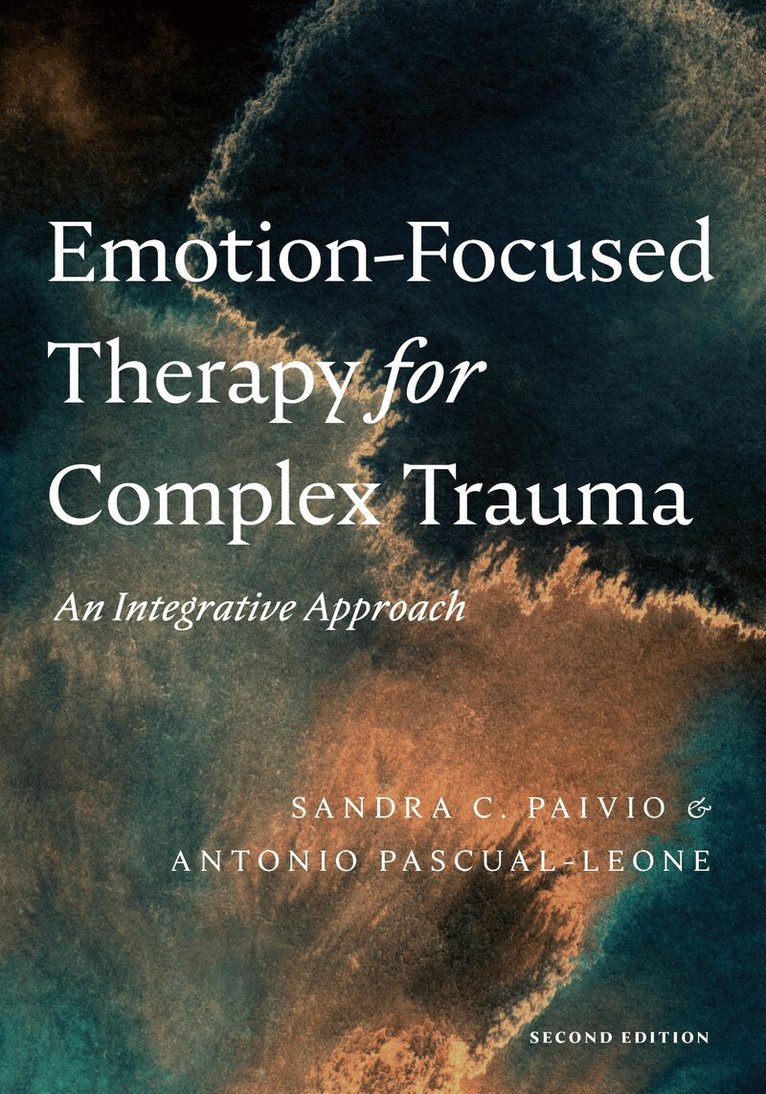
    Emotion-Focused Therapy for Complex Trauma

    An Integrative Approach

    AvSandra C. Paivio,Antonio Pascual-Leone

    Häftad, Engelska, 2023

    811 kr

    Beställningsvara. Skickas inom 5-8 vardagar. Fri frakt över 249 kr.

    Beskrivning

    This fully updated second edition presents theory, research, and practice guidelines for short term, evidence based individual treatment for adults experiencing the effects of complex relational trauma. Disrupted narrative and emotional processes are common effects of complex trauma, and emotion focused therapy for trauma (EFTT) is well suited to address these difficulties. Clients with complex trauma often suffer long term challenges after repeated exposure to violence and betrayals of trust, typically by attachment figures in the form of child abuse and neglect. The authors bring more than 25 years of research and clinical expertise to this evidence-based treatment model, which enables therapists to skillfully navigate the unique challenges facing these clients.Chapters present practical aspects of EFTT alongside supporting research, allowing clinicians from different theoretical perspectives to either apply the complete package, or integrate aspects of the model into their current practice. This comprehensive and essential resource is fully updated with current developments in research, clinical practice, and training.

    Produktinformation

    • Utgivningsdatum:2023-01-31
    • Mått:180 x 253 x 18 mm
    • Vikt:649 g
    • Format:Häftad
    • Språk:Engelska
    • Antal sidor:376
    • Upplaga:2
    • Förlag:American Psychological Association
    • ISBN:9781433836527

    Utforska kategorier

    • Biologisk psykologi och neuropsykologi inom Psykologi och pedagogik
    • Rehabilitering inom Medicin
    • Psykoterapi som behandlingsmetod inom Medicin

    Mer om författaren

    Sandra C. Paivio, PhD, CPsych, maintains a private practice in Toronto, Canada, provides individual psychotherapy and clinical training at the York University Psychology Clinic, and is professor emeritus in the Psychology Department at the University of Windsor. She is one of the developers of emotion-focused therapy, particularly applied to complex trauma (EFTT), has conducted clinical trials evaluating the efficacy and processes of change in EFTT, and is author of numerous publications on trauma and psychotherapy. Dr. Paivio received a Lifetime Achievement Award from the Trauma Section of the Canadian Psychological Association (2 4) for her contributions to research and training in treatment for complex trauma. Antonio Pascual-Leone, PhD, CPsych, is a professor in psychology at the University of Windsor, Canada, where he is director of the Emotion Change Lab, and is honorary professor of psychiatry at the University of Lausanne, Switzerland. He has published seminal contributions to theory and research of emotion-focused therapy and is regarded as a world expert in emotional processing. He coauthored the first edition of this book with Sandra Paivio and is writing a trans-theoretical book on changing emotion. His work is recognized by career awards from international societies as well as distinguished publication awards. He runs a private practice seeing individuals and couples.

    Recensioner i media

    This book is a breath of fresh air. It calls it like it is. The differential treatment model of what treatment for what disorder has had its day. The authors amp rsquo proposed process-based  approach to treatment moves us forward to a promising new transdiagnostic, transtheoretical approach focused on evidence-based processes of change that fit the needs of a given client. This is the future. A must-read, wonderful contribution. - Leslie Greenberg, PhD, Distinguished Research Professor Emeritus of Psychology, York University, York, Ontario, Canada, and author of Patterns of Change and Changing Emotion With Emotion Sandra C. Paivio and Antonio Pascual-Leone have written an accessible and invaluable second edition of their integrative treatment model, emotion-focused therapy for complex trauma (EFTT). This innovative model is especially important as an evidence-based treatment of complex trauma of relatively short duration and with clearly delineated strategies and markers. Moreover, it has a flexibility of application and can be adapted for use with other treatment models depending on the needs of the client. - Christine A. Courtois, PhD, ABPP, Licensed Psychologist and Consultant/Trainer, Trauma Psychology and Trauma Treatment; coauthor of Treating Complex Trauma: A Sequenced, Relationship-Based Approach and coeditor of Treating Complex Traumatic Stress Disorders in Adults The second edition of this classic text on emotion-focused therapy and trauma offers a fresh, coherent, and comprehensive perspective on the richness of emotional processes involved in the healing of wounds from adverse events. Many sufferers who need healing can be helped by the caring, compassionate, validating, but also well-informed and well-researched approach described in this incredibly clear and practitioner-friendly book. Well done and thank you to the authors for this pivotal contribution! - Ladislav Timulak, PhD, Professor in Counselling Psychology, School of Psychology, Trinity College Dublin, Dublin, Ireland

    Innehållsförteckning

    • Acknowledgments Introduction to Emotion-Focused Therapy for Trauma: Development, Defining Features, Strengths, and ContributionsI. TheoryChapter . Trauma and its Effects Definition of Trauma Types of Traumatic EventsPrevalence and Risk FactorsEffects of TraumaImplications for TreatmentChapter 2. The EFTT Treatment ModelTheoretical FoundationsDistinguishing Features of EFTTDistinctions Between EFTT and the General Model of Emotion-Focused TherapyThe Treatment ModelChapter 3. Working with EmotionReview of Emotion Theory Underlying EFTTChange Processes: Emotional Processing in EFTTModel of Change and Phases Of EFTTII. PracticeEarly Phase of TherapyChapter 4. Cultivating the Alliance Intervention Principles for Developing a Productive AllianceGoals of Alliance Formation in Phase Of EFTTConducting the First Three SessionsAlliance DifficultiesChapter 5. Promoting Experiencing Features of ExperiencingEFTT Compared With Other Perspectives on ExperiencingExperiencing Compared to Other ConstructsMeasurement of ExperiencingResearch on Experiencing in TherapyThe Process of Deepening Experiencing Step by StepGuidelines for Structured Focusing ProcedureDifficulties With ExperiencingChapter . The Imaginal Confrontation Procedure Imaginal Confrontation of PerpetratorsIntervention PrinciplesThe Process of Engagement in ICSteps in the IC Procedure and Corresponding Therapist OperationsRelationship Development in the Initial ICEvocative Exploration as an Alternative to ICClient Difficulties With the Initial ICMiddle Phase of TherapyChapter 7. Memory Work in EFTT TheoryDifferent Approaches to Memory WorkGoals and Processes of Memory Work In EFTTPractice Guidelines for EFTT Memory WorkMemory Work When Memories Are ShallowMemories Are Warded OffMemories of Self as Defective or DamagedSummary, Considerations, and CautionsChapter 8. Reducing Fear, Anxiety, and Avoidance of Internal ExperiencePerspectives on Fear, Anxiety, and Avoidance: EFTT Compared With Other ApproachesProcess Diagnosis: Distinguishing Different Types of Fear and AnxietyChange Processes and GoalsInterventions for Managing Anxiety and FearHelping Clients Allow Primary Emotional ExperienceChapter 9. Transforming Guilt, Shame, and Self-BlamePerspectives on Guilt and Shame: EFTT Compared With Other Approaches Process Diagnosis: Distinguishing Different Types of Shame ExperienceChange Processes and GoalsIntervention Principles Relevant to ShameInterventions for Reducing Secondary ShameIntervention for Primary Adaptive Shame About Violating Personal StandardsIntervention for Transforming Primary Maladaptive ShameCompassionate Self-SoothingDifficulties When Working With Fear and ShameLate Phase of TherapyChapter . Resolution of Interpersonal Trauma Through Adaptive Anger   Review of Theory and Research on the Resolution of Interpersonal TraumaAnger and Trauma Across Theoretical PerspectivesProcess Diagnosis: Distinguishing Different Types of AngerIntervention PrinciplesInterventions for Changing Maladaptive AngerIntervention for Promoting Primary Adaptive AngerChapter . Resolution of Interpersonal Trauma Through Sadness and GriefTraumatic Grief Across Theoretical PerspectivesProcess Diagnosis: Distinguishing Different Types of SadnessChange Processes and GoalsIntervention Principles for Promoting Adaptive SadnessInterventions for Promoting Sadness and Grieving LossesIntervention for Other Types of SadnessChapter 2. Termination Completion and Consolidation of ChangesAwareness and Acceptance of Limited ChangeSharing Mutual FeedbackDifficulties With ResolutionDifficulties With Therapy TerminationBridge to The FutureAfterword Appendix A: Short Form of the Client Experiencing ScaleAppendix B: Short Form of the Working Alliance InventoryAppendix C: The Degree of Resolution Scale (Short Form)Appendix D: Yoga Therapy as a Complement to EFTT: Integrating Body-Based InterventionsReferencesIndexAbout the Authors