• Fri frakt över 249 kr
  • •
  • Snabba leveranser
  • •
  • Billiga böcker
Kundservice

Du är på sajten för privatpersoner.

Företag, bibliotek eller offentlig verksamhet?

Du handlar på classic.bokus.com, där alla dina funktioner finns intakta.
Till classic.bokus.com
Bokus logotyp. Gå till startsidan.
  • Erbjudanden
  • Nyheter
  • Student
  • Topplistor
  • Barn & ungdom
  • Bokus Play
  • E-böcker
  • Pocketböcker
  • Spel & pussel

10% rabatt på allt med kod: NYSTART10 →

Sidfot

Mina sidor

    Hjälp

    • Kundservice
    • Vanliga frågor och svar
    • Frakt och leverans
    • Retur vid ångerrätt
    • Reklamera vara
    • Betalning
    • Köpvillkor
    • Allmänna villkor
    • Information om webbplatsens tillgänglighet

    Om Bokus

    • Om oss
    • Pressrum
    • För studenter
    • För företag
    • För bibliotek och offentlig verksamhet
    • För leverantörer
    • Hållbarhet

    Populärt

    • Aktuella erbjudanden
    • Presentkort
    • Studentlitteratur
    • Nya böcker
    • Topplistor
    • Signerade böcker
    • Engelska böcker

    Inspiration

    • Boktips
    • BookTok
    • Populära bokserier
    • Barnbokskaraktärer
    • Populära författare
    Logotyp för Bokus
    Följ oss på Facebook (extern länk)Följ oss på Instagram (extern länk)Följ oss på YouTube (extern länk)Följ oss på TikTok (extern länk)
    bokus @ CookiesAnpassa cookiesIntegritetspolicyKöpvillkor
    Till Citymail hemsida (extern länk)Till Budbee hemsida (extern länk)Till Postnord hemsida (extern länk)Till Schenker hemsida (extern länk)Till Early Bird hemsida (extern länk)Till Walleys hemsida (extern länk)
    1. Psykologi och pedagogik
    2. Psykologi
    3. Socialpsykologi och gruppsykologi

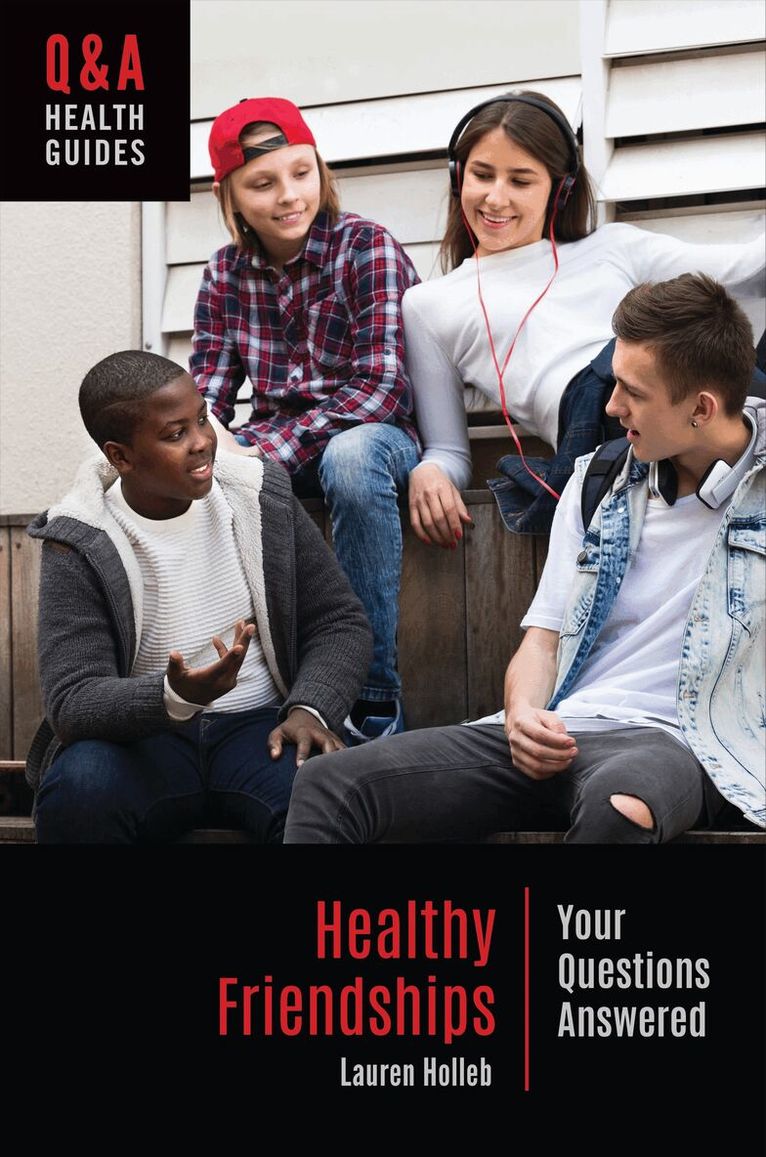
    Healthy Friendships

    Your Questions Answered

    AvLauren Holleb

    Inbunden, Engelska, 2021

    Del i serien Q&A Health Guides

    479 kr

    Beställningsvara. Skickas inom 10-15 vardagar. Fri frakt över 249 kr.

    Fler format och utgåvor

    E-bok

    371 kr

    E-bok

    323 kr

    Häftad

    313 kr

    Beskrivning

    This accessible book explores what friendship is and why it's so important to our well-being and provides practical suggestions for teens and young adults wishing to experience deeper, more fulfilling connections.What exactly separates a friend from an acquaintance? Can men and women really "just be friends"? How do friendships change as we move from childhood to adolescence to adulthood? How can you support a friend in need, and how should you address conflicts and misunderstandings? This book answers these and many other questions readers may have about friendship. Part of Bloomsbury's Q&A Health Guides series, Healthy Friendships: Your Questions Answered follows a reader-friendly question-and-answer format that anticipates readers' needs and concerns. Prevalent myths and misconceptions are identified and dispelled, and a collection of case studies illustrates key concepts and issues through relatable stories and insightful recommendations. Each book also includes a section on health literacy, equipping teens and young adults with practical tools and strategies for finding, evaluating, and using credible sources of health information both on and off the internet – important skills that contribute to a lifetime of healthy decision-making.

    Produktinformation

    • Utgivningsdatum:2021-03-12
    • Mått:162 x 236 x 14 mm
    • Vikt:740 g
    • Format:Inbunden
    • Språk:Engelska
    • Serie:Q&A Health Guides
    • Antal sidor:144
    • Förlag:Bloomsbury Publishing Plc
    • ISBN:9781440867354

    Utforska kategorier

    • Socialpsykologi och gruppsykologi inom Psykologi och pedagogik
    • Relationer inom Hälsa och familj
    • Sociala grupper och identitet inom Samhälle och politik

    Mer om författaren

    Lauren Holleb, PhD, is associate professor of Mental Health and Human Services at the University of Maine at Augusta, USA and a licensed psychologist in part-time private practice.

    Innehållsförteckning

    • Series ForewordAcknowledgmentsIntroductionGuide to Health LiteracyCommon Misconceptions about FriendshipQuestions and AnswersGeneral Information and Definitions1. What is friendship?2. How does friendship differ from peer acceptance?3. So, if you're well-liked by the peer group, does that mean you have good friends?4. What are social skills, and how are they important to friendship?5. What serves as the basis for friendship? How do people become friends?6. What contributes to high-quality friendship?Different and Changing Friendships7. How stable is friendship?8. How does friendship change during adolescence?9. How does friendship change during adulthood?10. In what ways are the friendships of boys/girls and men/women the same, and how are they different?11. What are cross-gender friendships like, and when do they typically form?12. Why does friendship often change when a friend forms a new romantic relationship?13. Can you be friends with people who are different from you?The Impact of Friendship14. What are the benefits of friendship?15. How can having a best friend during adolescence be good for you?16. Is it possible to have the "wrong" friends or "bad" friends?17. What is co-rumination, and how can it be bad for you?18. Is peer pressure always bad?What to Do as a Friend19. How can you make friends?20. What are the best ways to maintain friendships?21. Is it ever acceptable to break a friend's trust?22. What should you do if you think a friend has betrayed your trust?23. What should you do when you disagree or fight with a friend?24. What can you do if you develop romantic feelings for a friend and they are not reciprocated? What can you do if your friend develops romantic feelings for you and you don't feel the same way?25. How do you know if someone is a true friend?26. What can you do if you are worried about a friend?27. What should you do if a friend is making choices that you disagree with?28. Why do friends drift apart?29. How do you know if you should end a friendship?30. In what ways can you end a friendship respectfully?Current Trends in Friendship31. Is having a friend online the same as having a friend in person?32. How has the Internet and social media changed friendship?33. Is technology bad for friendship? How can the Internet be helpful for friendship?Research on Friendship34. In what ways is friendship typically studied?35. How is social acceptance/peer group acceptance studied?36. What does research tell us about helping those who struggle with friendship?Case StudiesGlossaryDirectory of ResourcesIndex