• Fri frakt över 249 kr
  • •
  • Snabba leveranser
  • •
  • Billiga böcker
Kundservice

Du är på sajten för privatpersoner.

Företag, bibliotek eller offentlig verksamhet?

Du handlar på classic.bokus.com, där alla dina funktioner finns intakta.
Till classic.bokus.com
Bokus logotyp. Gå till startsidan.
  • Erbjudanden
  • Nyheter
  • Student
  • Topplistor
  • Barn & ungdom
  • Bokus Play
  • E-böcker
  • Pocketböcker
  • Spel & pussel

10% rabatt på allt med kod: NYSTART10 →

Sidfot

Mina sidor

    Hjälp

    • Kundservice
    • Vanliga frågor och svar
    • Frakt och leverans
    • Retur vid ångerrätt
    • Reklamera vara
    • Betalning
    • Köpvillkor
    • Allmänna villkor
    • Information om webbplatsens tillgänglighet

    Om Bokus

    • Om oss
    • Pressrum
    • För studenter
    • För företag
    • För bibliotek och offentlig verksamhet
    • För leverantörer
    • Hållbarhet

    Populärt

    • Aktuella erbjudanden
    • Presentkort
    • Studentlitteratur
    • Nya böcker
    • Topplistor
    • Signerade böcker
    • Engelska böcker

    Inspiration

    • Boktips
    • BookTok
    • Populära bokserier
    • Barnbokskaraktärer
    • Populära författare
    Logotyp för Bokus
    Följ oss på Facebook (extern länk)Följ oss på Instagram (extern länk)Följ oss på YouTube (extern länk)Följ oss på TikTok (extern länk)
    bokus @ CookiesAnpassa cookiesIntegritetspolicyKöpvillkor
    Till Citymail hemsida (extern länk)Till Budbee hemsida (extern länk)Till Postnord hemsida (extern länk)Till Schenker hemsida (extern länk)Till Early Bird hemsida (extern länk)Till Walleys hemsida (extern länk)
    1. Samhälle och politik
    2. Samhälle och kultur
    3. Sociala och etiska frågor

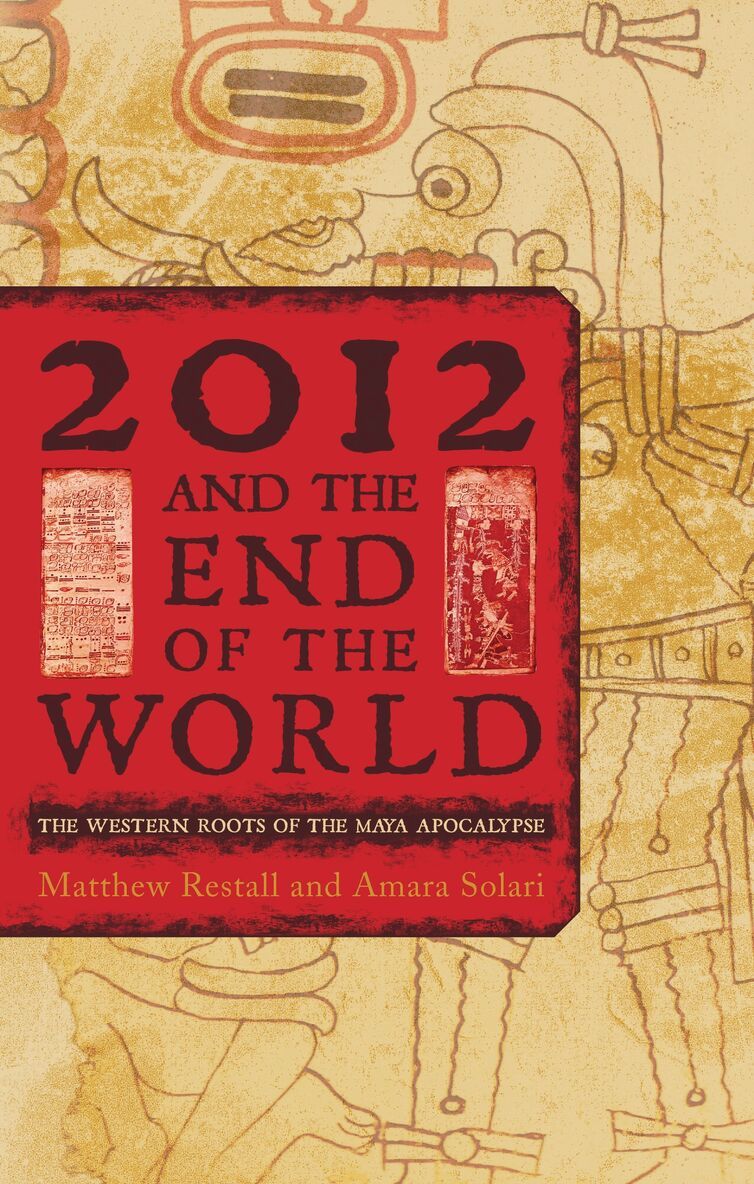
    2012 and the End of the World

    The Western Roots of the Maya Apocalypse

    AvMatthew Restall,Amara Solari

    Inbunden, Engelska, 2011

    Del i serien Rowman & Littlefield Publishers

    185 kr

    Beställningsvara. Skickas inom 5-8 vardagar. Fri frakt över 249 kr.

    Beskrivning

    Did the Maya really predict that the world would end in December of 2012? If not, how and why has 2012 millenarianism gained such popular appeal? In this deeply knowledgeable book, two leading historians of the Maya answer these questions in a succinct, readable, and accessible style. Matthew Restall and Amara Solari introduce, explain, and ultimately demystify the 2012 phenomenon. They begin by briefly examining the evidence for the prediction of the world's end in ancient Maya texts and images, analyzing precisely what Maya priests did and did not prophesize. The authors then convincingly show how 2012 millenarianism has roots far in time and place from Maya cultural traditions, but in those of medieval and Early Modern Western Europe. Revelatory any myth-busting, while remaining firmly grounded in historical fact, this fascinating book will be essential reading as the countdown to December 21, 2012, begins.

    Produktinformation

    • Utgivningsdatum:2011-01-16
    • Mått:149 x 228 x 18 mm
    • Vikt:315 g
    • Format:Inbunden
    • Språk:Engelska
    • Serie:Rowman & Littlefield Publishers
    • Antal sidor:160
    • Förlag:Bloomsbury Publishing Plc
    • ISBN:9781442206090

    Utforska kategorier

    • Sociala och etiska frågor inom Samhälle och politik
    • Amerikas historia inom Historia och arkeologi
    • Övernaturliga fenomen / det paranormala inom Ande, kropp och själ

    Mer om författaren

    Matthew Restall is Edwin Erle Sparks Professor of Colonial Latin American History, Anthropology, and Women's Studies at The Pennsylvania State University. Amara Solari is assistant professor of art history at The Pennsylvania State University.

    Recensioner i media

    Media are full of doomsday predictions related to the Maya Long Count calendar end date, December 21, 2012, in today’s Western calendar. Restall and Solari take a serious look at Maya calendar development, archaeology, and history to seek the truth behind the so-called Maya doomsday prophecy, which adherents believe may forecast the end of the world. The authors see no evidence that Long Count calendar dates for the future, carved on stone monuments at Maya archaeological sites in Mexico and Central America, indicate predictions of doom. Their thorough examination of Maya carvings, images, and writings leads them to the conclusion that the preconquest Maya were not particularly millenarian. By contrast, their Spanish conquerors came from a culture steeped in eschatological thinking. The authors effectively provide scholarly evidence to back up their hypothesis that millenarianism probably came via the Spanish and is not intrinsic to the traditional Maya worldview and to debunk prophecies of doom. VERDICT This readable analysis based on credible scholarship is a needed and balanced counterpoint to the many sensationalist works on the Maya doomsday prophecy as 2012 approaches. Highly recommended for all seeking a reasoned perspective on Maya calendar systems.

    Innehållsförteckning

    • Introduction: You Really Can SurviveChapter 1: The History of the End of the World: The Maya PredictionChapter 2: They Deserve Better: The Maya EvidenceChapter 3: God Is Angry: The Millenarian Mother LodeChapter 4: The Moctezuma Factor: The End of the World Comes to MexicoChapter 5: Apocalypto: The Millennium Comes to the MayaChapter 6: We Are Almost There: Why People BelieveSources and Suggestions for Further Reading