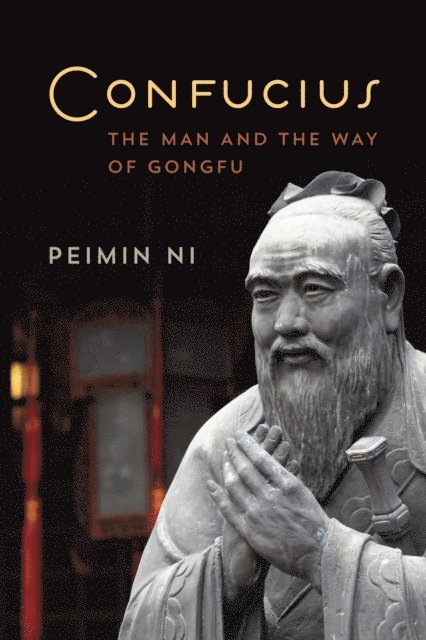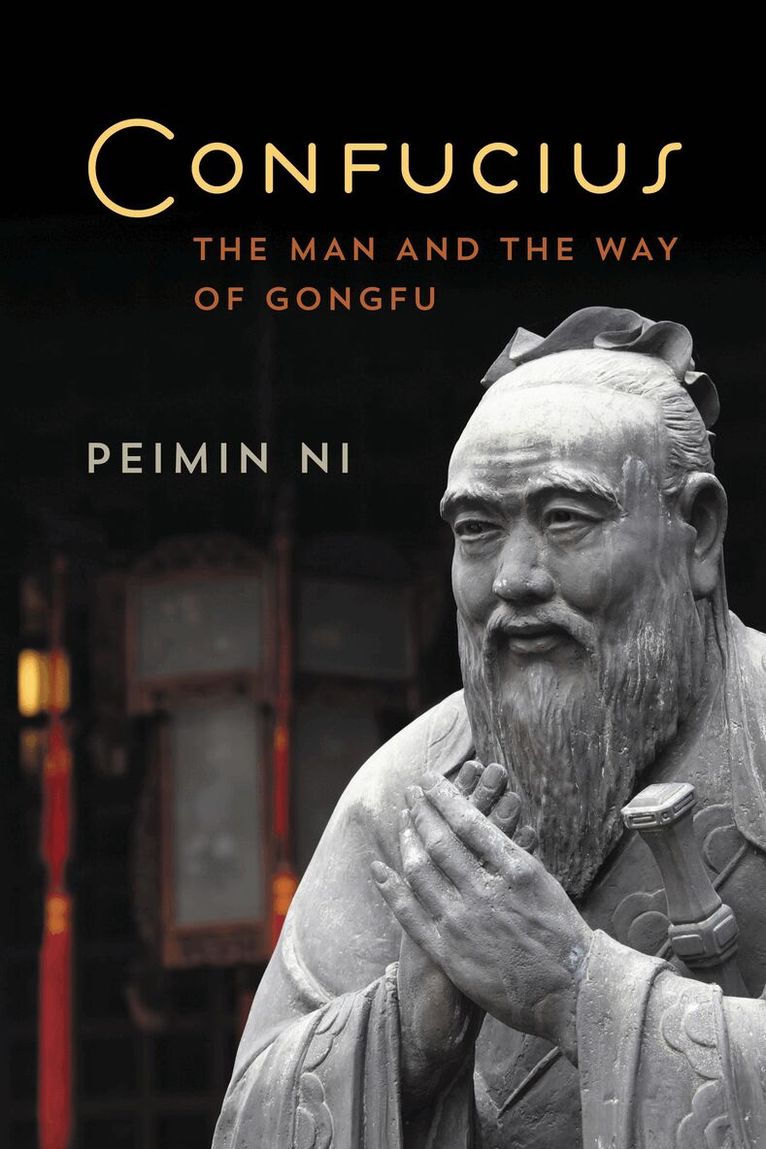
Confucius
The Man and the Way of Gongfu
508 kr
Beställningsvara. Skickas inom 10-15 vardagar. Fri frakt över 249 kr.
Du är på sajten för privatpersoner.
508 kr
Beställningsvara. Skickas inom 10-15 vardagar. Fri frakt över 249 kr.
Peimin Ni is professor of philosophy at Grand Valley State University and visiting professor at the University of Hawaii and the University of Hong Kong. He is author of many works on Confucianism, including On Confucius (2002), Confucius, Making the Way Great (2010), and chapters on “Confucius” and “The Philosophy of Confucius” in the Oxford Handbook of World Philosophy (2011) and the Dao Companion to Classical Confucian Philosophy (2014), respectively. He is former president of the Society for Asian and Comparative Philosophy (2010-2012) and the Association of Chinese Philosophers in America (1997-1999). He has been a keynote speaker at the UNESCO’s Headquarters in Paris, the European Science Foundation meetings, World Public Forum “Dialogue of Civilizations,” and Nishan Forum on World Civilizations. He is also editor-in-chief of the ACPA (Association of Chinese Philosophers in North America) series of Chinese and Comparative Philosophy.
In this thematic, well-written portrait, Confucius is less an authoritarian, ultra-stern traditionalist concerned with squeezing everything into a rigid theoretical role and ritual structure and more a thoughtful guide to each individual’s unique spiritual and ethical life, a life in which ritual and role mostly set the table for a life ending in mastery, or gongfu. Ni's emphasis on a truly important side of Confucius’s philosophy is interesting, and he offers some thoughtful, innovative takes on Confucius’s philosophy. This approach also allows the author to defend Confucius from common criticisms and even allows opposing later Confucians Mencius and Xunzi. Focusing on gongfu helps keep individuals from reducing Confucian thought into their own deontological/consequentialist principle-oriented frameworks…. [T]his is an interesting text with insightful passages and challenging interpretations worth pondering.Summing Up: Recommended. Upper-division undergraduates through faculty and professionals.
Du är på sajten för privatpersoner.
508 kr
Beställningsvara. Skickas inom 10-15 vardagar. Fri frakt över 249 kr.
Peimin Ni is professor of philosophy at Grand Valley State University and visiting professor at the University of Hawaii and the University of Hong Kong. He is author of many works on Confucianism, including On Confucius (2002), Confucius, Making the Way Great (2010), and chapters on “Confucius” and “The Philosophy of Confucius” in the Oxford Handbook of World Philosophy (2011) and the Dao Companion to Classical Confucian Philosophy (2014), respectively. He is former president of the Society for Asian and Comparative Philosophy (2010-2012) and the Association of Chinese Philosophers in America (1997-1999). He has been a keynote speaker at the UNESCO’s Headquarters in Paris, the European Science Foundation meetings, World Public Forum “Dialogue of Civilizations,” and Nishan Forum on World Civilizations. He is also editor-in-chief of the ACPA (Association of Chinese Philosophers in North America) series of Chinese and Comparative Philosophy.
In this thematic, well-written portrait, Confucius is less an authoritarian, ultra-stern traditionalist concerned with squeezing everything into a rigid theoretical role and ritual structure and more a thoughtful guide to each individual’s unique spiritual and ethical life, a life in which ritual and role mostly set the table for a life ending in mastery, or gongfu. Ni's emphasis on a truly important side of Confucius’s philosophy is interesting, and he offers some thoughtful, innovative takes on Confucius’s philosophy. This approach also allows the author to defend Confucius from common criticisms and even allows opposing later Confucians Mencius and Xunzi. Focusing on gongfu helps keep individuals from reducing Confucian thought into their own deontological/consequentialist principle-oriented frameworks…. [T]his is an interesting text with insightful passages and challenging interpretations worth pondering.Summing Up: Recommended. Upper-division undergraduates through faculty and professionals.