• Fri frakt över 249 kr
  • •
  • Snabba leveranser
  • •
  • Billiga böcker
Kundservice

Du är på sajten för privatpersoner.

Företag, bibliotek eller offentlig verksamhet?

Du handlar på classic.bokus.com, där alla dina funktioner finns intakta.
Till classic.bokus.com
Bokus logotyp. Gå till startsidan.
  • Erbjudanden
  • Nyheter
  • Student
  • Topplistor
  • Barn & ungdom
  • Bokus Play
  • E-böcker
  • Pocketböcker
  • Spel & pussel

10% rabatt på allt med kod: NYSTART10 →

Sidfot

Mina sidor

    Hjälp

    • Kundservice
    • Vanliga frågor och svar
    • Frakt och leverans
    • Retur vid ångerrätt
    • Reklamera vara
    • Betalning
    • Köpvillkor
    • Allmänna villkor
    • Information om webbplatsens tillgänglighet

    Om Bokus

    • Om oss
    • Pressrum
    • För studenter
    • För företag
    • För bibliotek och offentlig verksamhet
    • För leverantörer
    • Hållbarhet

    Populärt

    • Aktuella erbjudanden
    • Presentkort
    • Studentlitteratur
    • Nya böcker
    • Topplistor
    • Signerade böcker
    • Engelska böcker

    Inspiration

    • Boktips
    • BookTok
    • Populära bokserier
    • Barnbokskaraktärer
    • Populära författare
    Logotyp för Bokus
    Följ oss på Facebook (extern länk)Följ oss på Instagram (extern länk)Följ oss på YouTube (extern länk)Följ oss på TikTok (extern länk)
    bokus @ CookiesAnpassa cookiesIntegritetspolicyKöpvillkor
    Till Citymail hemsida (extern länk)Till Budbee hemsida (extern länk)Till Postnord hemsida (extern länk)Till Schenker hemsida (extern länk)Till Early Bird hemsida (extern länk)Till Walleys hemsida (extern länk)
    1. Historia och arkeologi
    2. Historia
    3. Europas historia

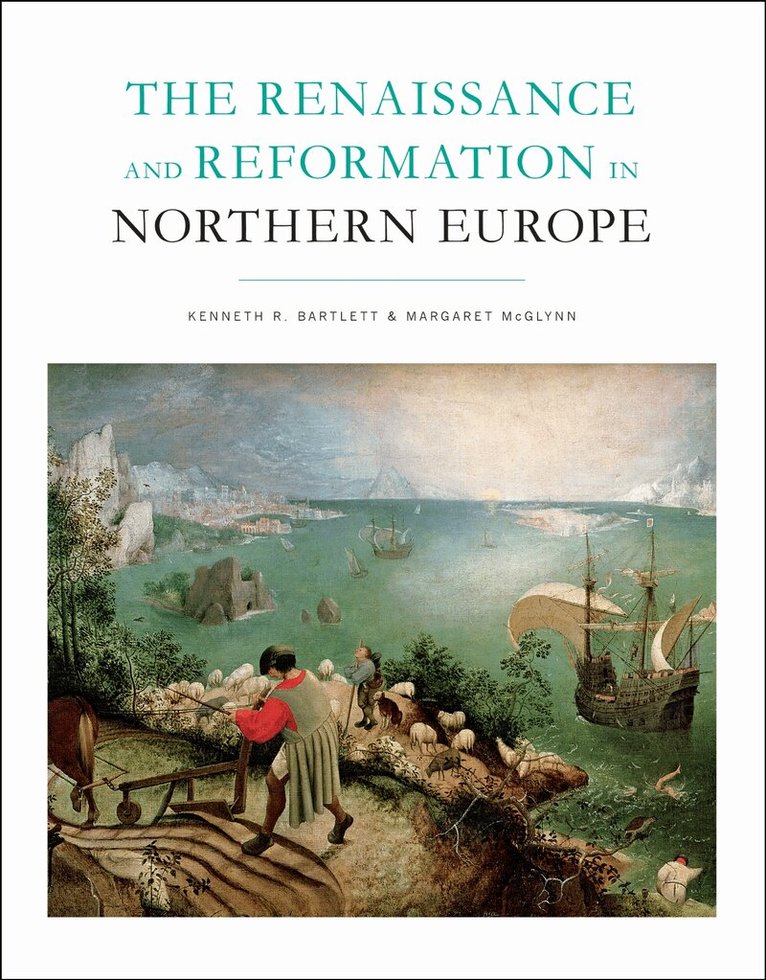
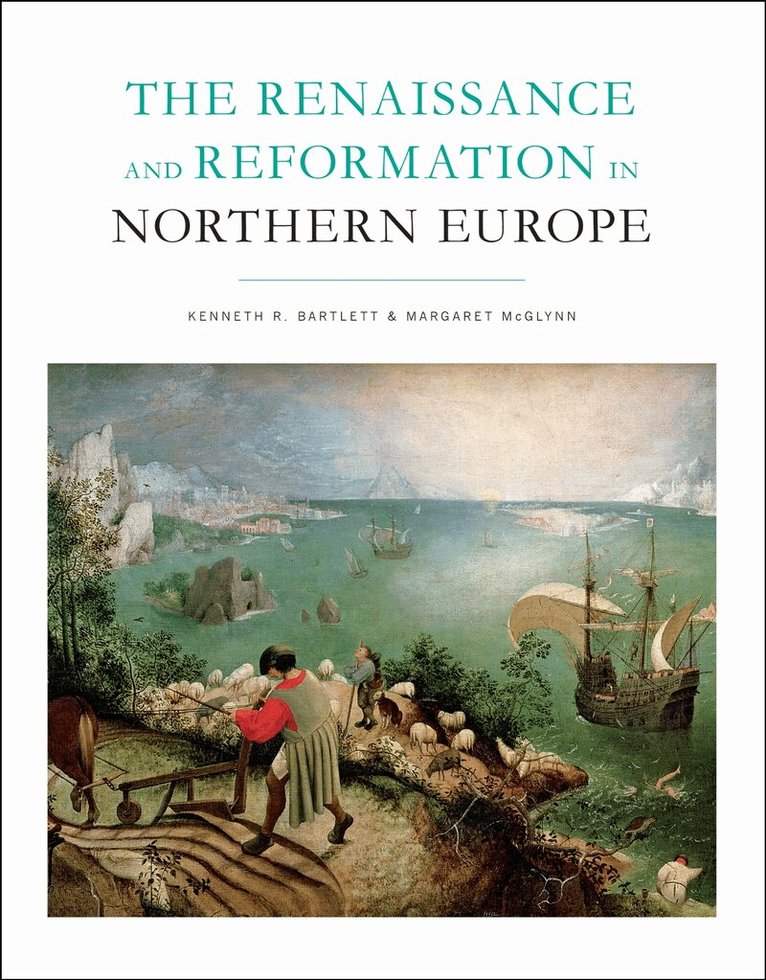
    Renaissance and Reformation in Northern Europe

    AvMargaret McGlynn,Kenneth R. Bartlett

    E-bok
    Engelska, 2014

    663 kr

    Läs direkt i Bokus Reader – eller ladda ned till din enhet

    Beskrivning

    This updated version of Humanism and the Northern Renaissance now includes over 60 documents exploring humanist and Renaissance ideals, the zeal of religion, and the wealth of the new world. Together, the sources illuminate the chaos and brilliance of the historical period-as well as its failures and inconsistencies.The reader has been thoroughly revised to meet the needs of the undergraduate classroom. Over 30 historical documents have been added, including material by Martin Luther, John Calvin, John Knox, William Shakespeare, Christopher Columbus, Miguel de Cervantes, and Galileo Galilei. In the introduction, Bartlett and McGlynn identify humanism as the central expression of the European Renaissance and explain how this idea migrated from Italy to northern Europe. The editors also emphasize the role of the church and Christianity in northern Europe and detail the events leading up to the Reformation. A short essay on how to read historical documents is included. Each reading is preceded by a short introduction and ancillary materials can be found on UTP's History Matters website (www.utphistorymatters.com).

    Produktinformation

    • Utgivningsdatum:2014-10-23
    • Språk:Engelska
    • Antal sidor:312
    • Filformat:EPUB
    • Kopieringsskydd:LCP
    • ISBN:9781442607163
    • Förlag:University of Toronto Press
    • Dimensioner:203 x 254 x undefined mm
    • Vikt:1 g

    Utforska kategorier

    • Europas historia inom Historia och arkeologi
    • Religion: allmänt inom Filosofi och religion
    • Kristendom inom Filosofi och religion

    Mer om författaren

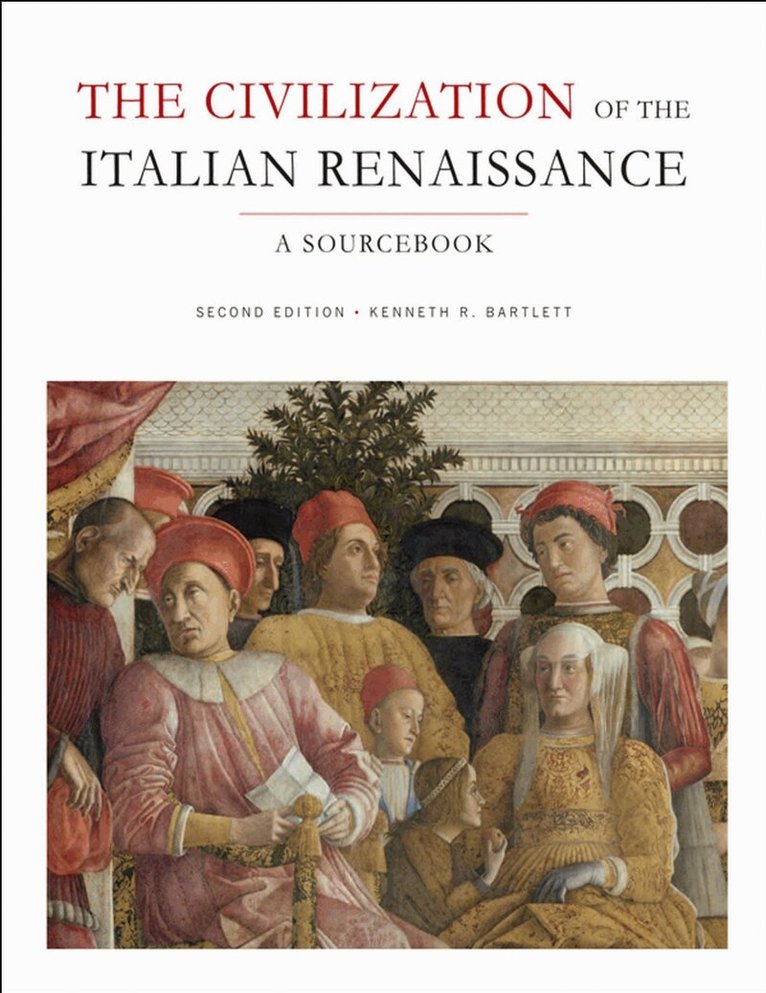
    Margaret McGlynn is Associate Professor of History at Western University . She is the author of The Royal Prerogative and the Learning of the Inns of Court (2003). Kenneth R. Bartlett is Professor of History and Renaissance Studies at the University of Toronto. He is the author of The English in Italy 1525–1558: A Study in Culture and Politics (1991), The Civilization of the Italian Renaissance: A Sourcebook (2011), and A Short History of the Italian Renaissance (2013).

    Innehållsförteckning

    • AcknowledgementsIntroduction How to Read a Historical Document Chapter 1: The Background to Reform 1. Cardinal Guillaume Filastre (1348–1428)Diary of the Council of Constance 2. Peter of Mladonovice (1390s–1451)The End of the Saintly and Reverend Master John Hus 3. Aeneas Silvius Piccolomini (Pius II) (1405–64)First Book of the Commentaries 4. John Wyclif (c. 1330–84)Of Wedded Men and Wives and of Their Children Also 5. Thomas à Kempis (1379/80–1471)The Imitation of Christ Chapter 2: Early Northern Humanism 6. Conrad Celtis (1459–1508)Oration Delivered Publicly in the University of Ingolstadt 7. Sir Thomas More (1478–1535)Letter to the Professors and Masters of the University of Oxford 8. Desiderius Erasmus of Rotterdam (1466?–1536)Letter to Jodocus Jonus on Vitrier and Colet 9. William Roper (c. 1495–1578)The Life of Sir Thomas More10. Desiderius Erasmus of Rotterdam (1466?–1536)The Paraclesis 11. Cardinal Francisco Ximenes (1436–1517)Prologue to the Polyglot 12. Desiderius Erasmus of Rotterdam (1466?–1536)A Pilgrimage for Religion's Sake Chapter 3: The Protestant Reformation Luther 13. Martin Luther (1483–1546)To the Christian Nobility The Radical Reformation 14. Anonymous (1525)The Twelve Articles 15. Martin Luther (1483–1546)An Admonition to Peace 16. Martin Luther (1483–1546)Against the Robbing and Murdering Hordes 17. Thomas Müntzer (1489–1525)A Highly Provoked Defense Mothers of the Church 18. Katharina Schütz Zell (1498–1562)Letter to . . . Strasbourg 19. Argula von Grumbach (c. 1492–1554)To Adam von Thering Calvin 20. Michael Servetus (1511–53)On the Errors of the Trinity 21. John Calvin (1509–64)Reply to Sadoleto England 22. Simon Fish (d. 1531)A Supplication for the Beggars 23. Prohibition of Appeals to Rome 24. Anne Askew (c. 1520–46)The Two ExaminationsLuther's Impact 25. Philip Melancthon (1497–1560)Funeral Oration over Luther Chapter 4: The Catholic Reformation 26. Consilium De Emendanda Ecclesia, 1537 27. The Capuchin Constitutions of 1536 28. Ignatius Loyola (1491–1556)Letter on Obedience 29. Teresa of Avila (1515–82)Spiritual Testimonies Chapter 5: Social Relations 30. The Trial of Mary and Joseph 31. Malleus Maleficarum 32. Sir Thomas More (1478–1535)Utopia, Book I 33. Martin Luther (1483–1546)On the Family 34. Marguerite de Navarre (1492–1549)The Heptameron 35. Hans Sachs (1494–1576)The Old Game 36. Michel de Montaigne (1533–92)On Experience 37. Thomas DeloneyJack of Newbury 38. Juan Luis Vives (1492–1540)On Assistance to the Poor 39. William Shakespeare (1564–1616)Ulysses on Degree, from Troilus and Cressida Chapter 6: Discovering New Worlds Abroad Going West 40. Christopher Columbus (1451–1506)The Privileges Accorded to Columbus by Ferdinand and Isabella41. Gonzalo Fernandez de Oviedo (1478–1557)General and Natural History of the Indies 42. Bernal Díaz (1492–1581)The Expedition of Francisco Hernández de Córdoba 43. Stephen Parmenius of Buda (c. 1541–83)Letter to . . . Richard Hakluyt . . . From St. John's Harbour, Newfoundland, 1583 Going East 44. Richard Hakluyt (c. 1552–1616)The book made by . . . Mr. Robert Thorne in the year 1527 in Seville, to Dr. Ley 45. Sir Martin Frobisher (c. 1535–94)The second voyage of Captain Frobisher, made to the West and Northwest regions, in the yere 1577 46. Richard Hakluyt (c. 1552–1616)Notes given in 1580 to Mr. Arthur Pet, and to Mr. Charles Jackman, sent by the merchants of the Muscovy Company for the discoveryof the Northeast Strait Chapter 7: Imagining New Worlds at Home 47. William Caxton (b. 1415–24, d. 1492)Prologue to the Translation of the Eneydos 48. Miguel de Cervantes (1547–1616)Don Quixote: Dedication to the Duke of Béjar and the Prologue 49. Miguel de Cervantes (1547–1616)Don Quixote 50. Nostradamus (Michel de Nostradame) (1503–66)Letter to King Henri II of France 51. The Fugger Newsletters (1568–1604) 52. Galileo Galilei (1564–1642)Letter to the Grand Duchess Christina 53. John Shute (d. 1563)The First and Chief Groundes of Architecture 54. Jean Bodin (1530–96)Method for the Easy Comprehension of History 55. François Rabelais (1483–1533)Gargantua and Pantagruel56. William Shakespeare (1564–1616)The Merchant of Venice Chapter 8: Renaissance and Reformation Politics 57. Sir Thomas Elyot (c. 1490–1546)The Boke Named the Governour 58. Desiderius Erasmus of Rotterdam (1466?–1536)The Education of a Christian Prince 59. Juan Luis Vives (1492–1540)On The Writing of Letters 60. Emperor Charles V (1500–58)Advice to his Son 61. John Knox (c. 1514–72)The First Blast of the Trumpet against the Monstrous Regiment of Women 62. Queen Elizabeth I of England (1533–1603)Queen Elizabeth's First Speech, Hatfield, November 20, 1558 and Richard Mulcaster's Account of Queen Elizabeth's Speech 63. Theodore Beza (1519–1605)On the Right of Magistrates Sources