• Fri frakt över 249 kr
  • •
  • Snabba leveranser
  • •
  • Billiga böcker
Kundservice

Du är på sajten för privatpersoner.

Företag, bibliotek eller offentlig verksamhet?

Du handlar på classic.bokus.com, där alla dina funktioner finns intakta.
Till classic.bokus.com
Bokus logotyp. Gå till startsidan.
  • Erbjudanden
  • Nyheter
  • Student
  • Topplistor
  • Barn & ungdom
  • Bokus Play
  • E-böcker
  • Pocketböcker
  • Spel & pussel

10% rabatt på allt med kod: NYSTART10 →

Sidfot

Mina sidor

    Hjälp

    • Kundservice
    • Vanliga frågor och svar
    • Frakt och leverans
    • Retur vid ångerrätt
    • Reklamera vara
    • Betalning
    • Köpvillkor
    • Allmänna villkor
    • Information om webbplatsens tillgänglighet

    Om Bokus

    • Om oss
    • Pressrum
    • För studenter
    • För företag
    • För bibliotek och offentlig verksamhet
    • För leverantörer
    • Hållbarhet

    Populärt

    • Aktuella erbjudanden
    • Presentkort
    • Studentlitteratur
    • Nya böcker
    • Topplistor
    • Signerade böcker
    • Engelska böcker

    Inspiration

    • Boktips
    • BookTok
    • Populära bokserier
    • Barnbokskaraktärer
    • Populära författare
    Logotyp för Bokus
    Följ oss på Facebook (extern länk)Följ oss på Instagram (extern länk)Följ oss på YouTube (extern länk)Följ oss på TikTok (extern länk)
    bokus @ CookiesAnpassa cookiesIntegritetspolicyKöpvillkor
    Till Citymail hemsida (extern länk)Till Budbee hemsida (extern länk)Till Postnord hemsida (extern länk)Till Schenker hemsida (extern länk)Till Early Bird hemsida (extern länk)Till Walleys hemsida (extern länk)
    1. Samhälle och politik
    2. Social välfärd och brottslighet
    3. Brottslighet och kriminologi
    4. Kriminalvård och straff

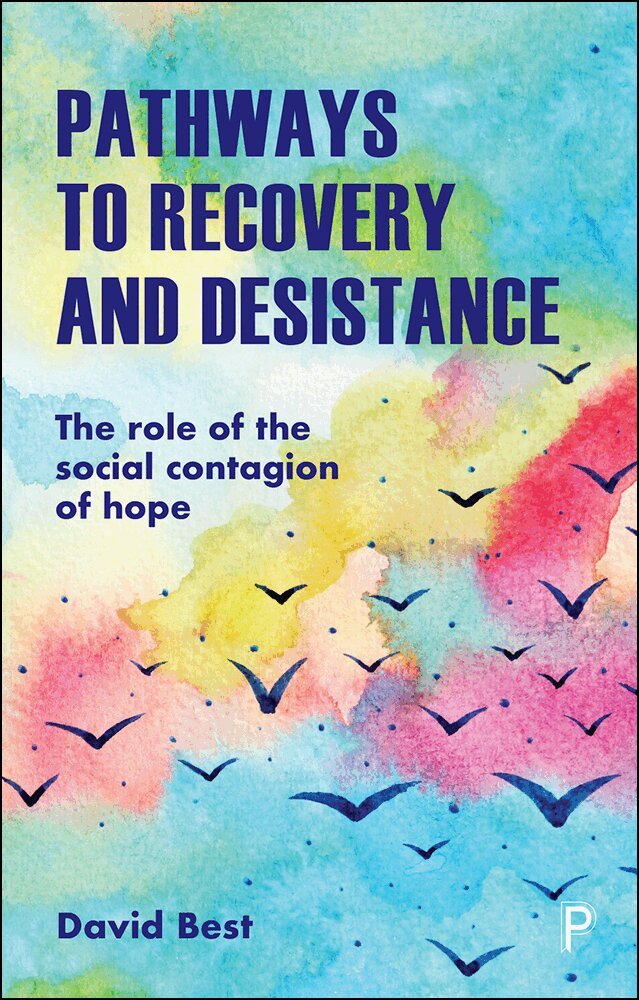
    Pathways to Recovery and Desistance

    The Role of the Social Contagion of Hope

    AvDavid Best

    Häftad, Engelska, 2019

    328 kr

    Skickas . Fri frakt över 249 kr.

    Fler format och utgåvor

    E-bok

    395 kr

    Beskrivning

    Available Open Access under CC-BY-NC licence. This is the first book that uses the latest research evidence to build guidance on community-based rehabilitation with the aim of challenging stigma and marginalisation. The case studies discussed, and a strengths-based approach, emphasize the importance of long-term recovery and the role that communities and peers play in the process. Best examines effective methods for community growth, offers sustainable ways of promoting social inclusion and puts forward a new drug strategy and a new reform policy for prisons.

    Produktinformation

    • Utgivningsdatum:2019-09-04
    • Mått:138 x 216 x 13 mm
    • Vikt:294 g
    • Format:Häftad
    • Språk:Engelska
    • Antal sidor:232
    • Förlag:Bristol University Press
    • ISBN:9781447349303

    Utforska kategorier

    • Kriminalvård och straff inom Samhälle och politik
    • Brottslighet och kriminologi inom Samhälle och politik

    Mer om författaren

    David Best is Professor of Criminology at Leeds Trinity University and Honorary Professor of Regulation and Global Governance at Australian National University. Trained as a psychologist and criminologist, he has worked in practice, research and policy in the areas of addiction recovery and rehabilitation of offenders.

    Recensioner i media

    “I’ve been waiting for a book like this. Not only does David Best clearly outline the theoretical framework that underpins his approach to addiction and recovery, he gives clear, straightforward examples of how they work in practice. This book is that rare thing; a manual for researchers and practitioners alike.” Rowdy Yates, President of European Federation of Therapeutic Communities

    Innehållsförteckning

    • Foreword ~ William L. White;What we know about recovery, desistance and reintegration;Australian origins: building bridges and community connections;What do you need to recover? Jobs, Friends and Houses;Keep it in the family: the role of families in supporting the rehabilitation of prisoners;Recovery, research and communities: Sheffield Addiction Recovery Research Group (SARRG) and recovery cities;Developing an initiative to support community connections;A visible and accessible recovery community;Overview and conclusions.