E-bok, Engelska, 2012
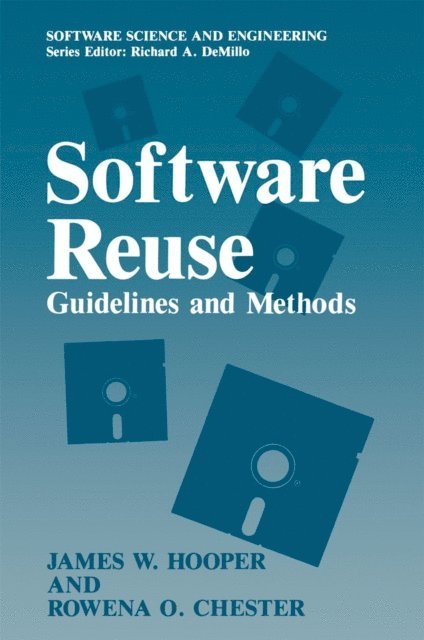
Software Reuse
Av Rowena O. Chester, James W. Hooper
1502 kr
Läs direkt i Bokus Reader – eller ladda ned till din enhet (PDF kräver ofta zoom och scroll på små skärmar).
Beskrivning
Observers in the present usually have an advantage when it comes to interpreting events of the past. In the case of software reuse, how ever, it is unclear why an idea that has gained such universal accep tance was the source of swirling controversy when it began to be taken seriously by the software engineering community in the mid-1980''s. From a purely conceptual point of view, the reuse of software de signs and components promises nearly risk-free benefits to the devel oper. Virtually every model of software cost and development effort predicts first-order dependencies on either products size or the num ber of steps carried out in development. Reduce the amount of new product to be developed and the cost of producing the product de creases. Remove development steps, and total effort is reduced. By reusing previously developed engineering products the amount of new product and the number of development steps can be reduced. In this way, reuse clearly has a major influence on reducing total development cost and effort. This, of course, raises the issue of from whence the reused products arise. There has to be a prior investment in creating "libraries of reuse products before reuse can be successfuL . . " How can organizations with a "bottom line" orientation be enticed into contributing to a reuse venture? Fortunately, the economics of reuse l resembles many other financial investment situations .
Produktinformation
- Utgivningsdatum: 2012-12-06
- Språk: Engelska
- Filformat: PDF
- Kopieringsskydd: LCP
- ISBN: 9781461537649
- Förlag: Springer US
Utforska kategorier
Betyg & recensioner
0 recensioner
Inga recensioner tillgängliga.