• Fri frakt över 249 kr
  • •
  • Snabba leveranser
  • •
  • Billiga böcker
Kundservice

Du är på sajten för privatpersoner.

Företag, bibliotek eller offentlig verksamhet?

Du handlar på classic.bokus.com, där alla dina funktioner finns intakta.
Till classic.bokus.com
Bokus logotyp. Gå till startsidan.
  • Erbjudanden
  • Nyheter
  • Student
  • Topplistor
  • Barn & ungdom
  • Bokus Play
  • E-böcker
  • Pocketböcker
  • Spel & pussel

10% rabatt på allt med kod: NYSTART10 →

Sidfot

Mina sidor

    Hjälp

    • Kundservice
    • Vanliga frågor och svar
    • Frakt och leverans
    • Retur vid ångerrätt
    • Reklamera vara
    • Betalning
    • Köpvillkor
    • Allmänna villkor
    • Information om webbplatsens tillgänglighet

    Om Bokus

    • Om oss
    • Pressrum
    • För studenter
    • För företag
    • För bibliotek och offentlig verksamhet
    • För leverantörer
    • Hållbarhet

    Populärt

    • Aktuella erbjudanden
    • Presentkort
    • Studentlitteratur
    • Nya böcker
    • Topplistor
    • Signerade böcker
    • Engelska böcker

    Inspiration

    • Boktips
    • BookTok
    • Populära bokserier
    • Barnbokskaraktärer
    • Populära författare
    Logotyp för Bokus
    Följ oss på Facebook (extern länk)Följ oss på Instagram (extern länk)Följ oss på YouTube (extern länk)Följ oss på TikTok (extern länk)
    bokus @ CookiesAnpassa cookiesIntegritetspolicyKöpvillkor
    Till Citymail hemsida (extern länk)Till Budbee hemsida (extern länk)Till Postnord hemsida (extern länk)Till Schenker hemsida (extern länk)Till Early Bird hemsida (extern länk)Till Walleys hemsida (extern länk)
    1. Naturvetenskap och teknik
    2. Teknik och industri
    3. Tillverkningsteknik

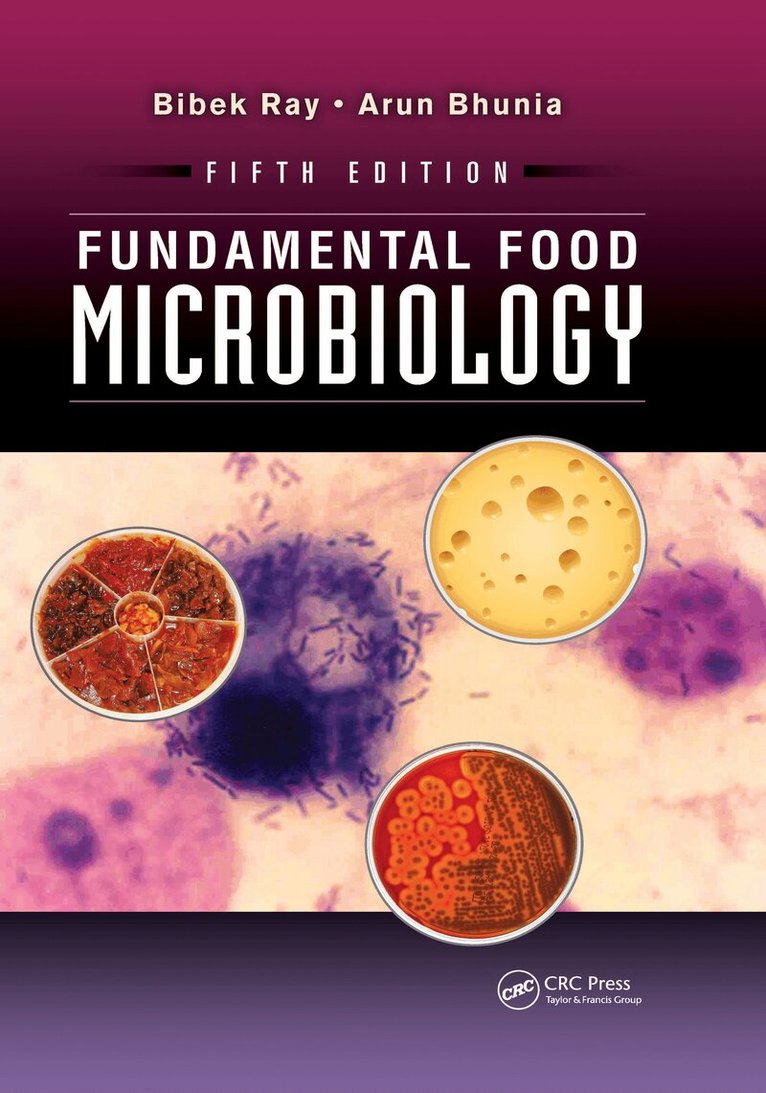
    Fundamental Food Microbiology

    AvBibek Ray,Arun Bhunia

    Inbunden, Engelska, 2013

    983 kr

    Tillfälligt slut

    Fler format och utgåvor

    Inbunden

    1 481 kr

    Häftad

    773 kr

    Beskrivning

    The golden era of food microbiology has begun. All three areas of food microbiology—beneficial, spoilage, and pathogenic microbiology—are expanding and progressing at an incredible pace. What was once a simple process of counting colonies has become a sophisticated process of sequencing complete genomes of starter cultures and use of biosensors to detect foodborne pathogens. Capturing these developments, Fundamental Food Microbiology, Fifth Edition broadens coverage of foodborne diseases to include new and emerging pathogens as well as descriptions of the mechanism of pathogenesis. Written by experts with approximately fifty years of combined experience, the book provides an in-depth understanding of how to reduce microbial food spoilage, improve intervention technologies, and develop effective control methods for different types of foods. See What’s New in the Fifth Edition: New chapter on microbial attachment and biofilm formationBacterial quorum sensing during bacterial growth in foodNovel application of bacteriophage in pathogen control and detection Substantial update on intestinal beneficial microbiota and probiotics to control pathogens, chronic diseases, and obesity Nanotechnology in food preservationDescription of new pathogens such as Cronobacter sakazaki, E. coli O104:H4, Clostridium difficile, and Nipah VirusComprehensive list of seafood-related toxinsUpdates on several new anti-microbial compounds such as polylysine, lactoferrin, lactoperoxidase, ovotransferrin, defensins, herbs, and spices Updates on modern processing technologies such as infrared heating and plasma technologyMaintaining the high standard set by the previous bestselling editions, based feedback from students and professors, the new edition includes many more easy-to-follow figures and illustrations. The chapters are presented in a logical sequence that connects the information and allow students to easily understand and retain the concepts presented. These features and more make this a comprehensive introductory text for undergraduates as well as a valuable reference for graduate level and working professionals in food microbiology or food safety.

    Produktinformation

    • Utgivningsdatum:2013-11-26
    • Mått:178 x 254 x undefined mm
    • Vikt:1 314 g
    • Format:Inbunden
    • Språk:Engelska
    • Antal sidor:664
    • Upplaga:5
    • Förlag:Taylor & Francis Inc
    • ISBN:9781466564435

    Utforska kategorier

    • Tillverkningsteknik inom Naturvetenskap och teknik

    Innehållsförteckning

    • SECTION I: INTRODUCTION TO MICROBES IN FOODS. History and Development of Food Microbiology. Characteristics of Predominant Microorganisms in Food. Sources of Microorganisms in Foods. Normal Microbiological Quality of Foods and Its Significance. SECTION II: MICROBIAL GROWTH RESPONSE IN THE FOOD ENVIRONMENT. Microbial Growth Characteristics. Factors Influencing Microbial Growth in Food. Microbial Attachments and Biofilm Formation. Microbial Metabolism of Food Components. Microbial Sporulation and Germination. Microbial Stress Response in the Food Environment. SECTION III: BENEFICIAL US ES OF MICROORGANISMS IN FOOD. Microorganisms Used in Food Fermentation. Biochemistry of Some Beneficial Traits. Genetics of Some Beneficial Traits. Starter Cultures and Bacteriophages. Microbiology of Fermented Food Production. Intestinal Bacteria and Probiotics. Food Biopreservatives of Microbial Origin, Bacteriocin, and Nanotechnology. Food Ingredients and Enzymes of Microbial Origin. SECTION IV: MICROBIAL FOOD SPOILAGE. Important Factors in Microbial Food Spoilage. Spoilage of Specific Food Groups. New Food Spoilage Bacteria in Refrigerated Foods. Food Spoilage by Microbial Enzymes. Indicators of Microbial Food Spoilage. SECTION V: MICROBIAL FOODBORNE DISEASES. Important Facts in Foodborne Diseases. Foodborne Intoxications. Foodborne Bacterial Infections. Foodborne Toxico-Infections. Opportunistic Bacterial Pathogens, Molds and Mycotoxins, Viruses, Parasites,. and Fish and Shellfish Toxins. New and Emerging Foodborne Pathogens. Indicators of Bacterial Pathogens. SECTION VI: CONTROL OF MICROORGANISMS IN FOODS. Control of Access of Microorganisms: Cleaning, Sanitation, and Disinfection. Control by Physical Removal. Control by Heat (Thermal Processing). Control by Low Temperature. Control by Reduced Water Activity and Drying. Control by Low pH and Organic Acids. Control by Modified Atmosphere (or Reducing O-R Potential). Control by Antimicrobial Preservatives and Bacteriophages. Control by Irradiation. Control by Novel Processing Technologies. Control by a Combination of Methods (Hurdle Concept). SECTION VII: MICROBIAL DETECTION AND FOOD SAFETY. Conventional, Immunological, Molecular, and Biosensor-Based Detection Methods. Appendix A: Predictive Modeling of Microbial Growth in Food. Appendix B: Regulatory Agencies Monitoring Microbiological Safety of Foods in the United States. Appendix C: Hazard Analysis Critical Control Points. Index.