Bibek Ray - Böcker
Visar alla böcker från författaren Bibek Ray. Handla med fri frakt och snabb leverans.
6 produkter
6 produkter
1 425 kr
Skickas inom 10-15 vardagar
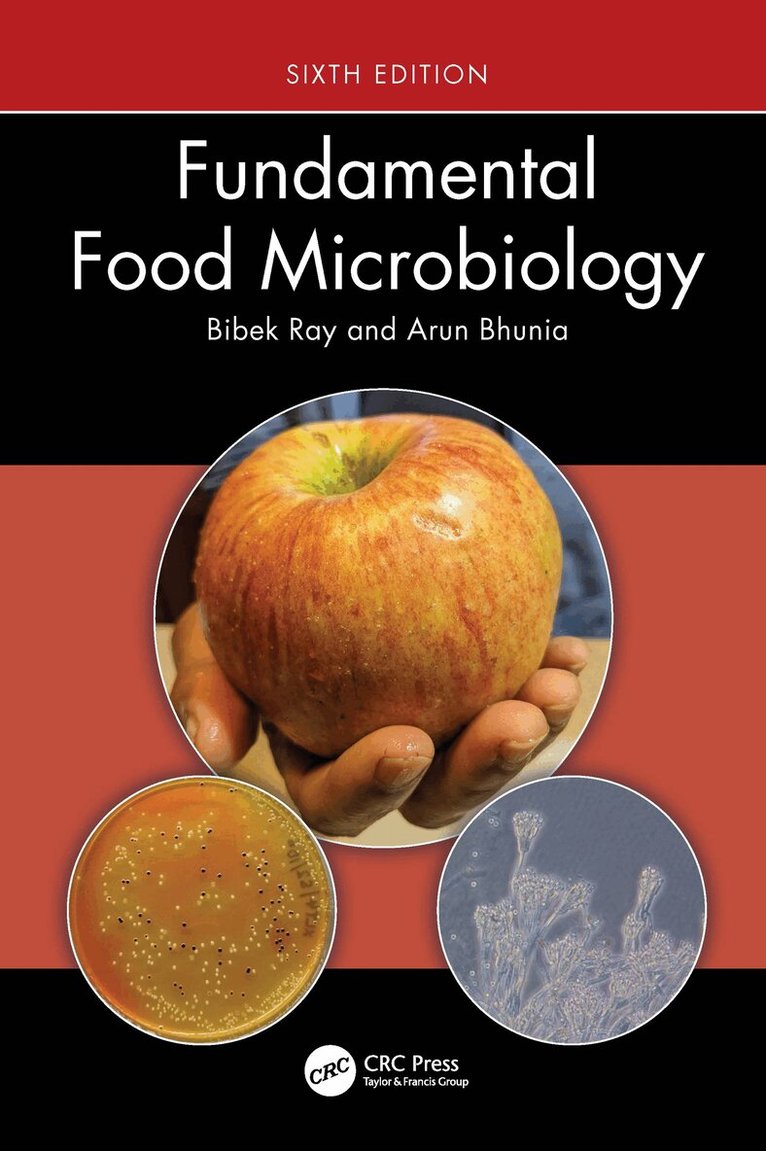
Food microbiology has seen enormous growth in the last decade, fueled by the global pandemic of COVID-19 and continual routine outbreaks with traditional foodborne pathogens. In addition, climate change and global warming also affect agriculture and food production, in turn shifting microbial ecology. Such changes will affect pathogen behavior, spoilage, and microbial growth, impacting food safety and quality. Health-conscious consumers are also looking for foods with alternative protein sources from plants and insects, such as fermented, antioxidant, and micronutrient-rich superfoods. All three areas of food microbiology—beneficial, spoilage, and pathogenic microbiology—are expanding and progressing incredibly. What was once a simple process of counting colonies has become a sophisticated process of sequencing complete genomes, gene editing, and biotechnology for starter cultures and probiotics improvement and application of sophisticated analytical tools for microbial analysis.Fundamental Food Microbiology, Sixth Edition captures these developments and broadens coverage of foodborne disease mechanisms, spoilage microbes, and microbial inactivation strategies. Written by experts with approximately sixty years of combined experience, the book provides an in-depth understanding of how to reduce microbial food spoilage, improve intervention technologies, and develop effective control methods for different types of foods.See What’s New in the Sixth EditionCondensed chapter descriptions with illustrationsCRISPR/Cas system for gene editingNovel food processing technologies, including plasma and micro/nanobubble technologiesFood radiation and hurdle concept chapters are merged and overhauledComprehensive list of mycotoxins and seafood-related toxinsUpdates on several new antimicrobial compounds from animal and plant sourcesMaintaining the high standard set by the previous bestselling editions, and based on feedback from students and professors, this new edition includes even more easy-to-follow figures and illustrations. The chapters are presented logically, connecting the information and allowing students to understand and retain the concepts presented easily. These features make this a comprehensive introductory text for undergraduates and a valuable reference for graduate-level and working professionals in food microbiology, food safety, or food technology.
777 kr
Kommande
Food microbiology has seen enormous growth in the last decade, fueled by the global pandemic of COVID-19 and continual routine outbreaks with traditional foodborne pathogens. In addition, climate change and global warming also affect agriculture and food production, in turn shifting microbial ecology. Such changes will affect pathogen behavior, spoilage, and microbial growth, impacting food safety and quality. Health-conscious consumers are also looking for foods with alternative protein sources from plants and insects, such as fermented, antioxidant, and micronutrient-rich superfoods. All three areas of food microbiology—beneficial, spoilage, and pathogenic microbiology—are expanding and progressing incredibly. What was once a simple process of counting colonies has become a sophisticated process of sequencing complete genomes, gene editing, and biotechnology for starter cultures and probiotics improvement and application of sophisticated analytical tools for microbial analysis.Fundamental Food Microbiology, Sixth Edition captures these developments and broadens coverage of foodborne disease mechanisms, spoilage microbes, and microbial inactivation strategies. Written by experts with approximately sixty years of combined experience, the book provides an in-depth understanding of how to reduce microbial food spoilage, improve intervention technologies, and develop effective control methods for different types of foods.See What’s New in the Sixth EditionCondensed chapter descriptions with illustrationsCRISPR/Cas system for gene editingNovel food processing technologies, including plasma and micro/nanobubble technologiesFood radiation and hurdle concept chapters are merged and overhauledComprehensive list of mycotoxins and seafood-related toxinsUpdates on several new antimicrobial compounds from animal and plant sourcesMaintaining the high standard set by the previous bestselling editions, and based on feedback from students and professors, this new edition includes even more easy-to-follow figures and illustrations. The chapters are presented logically, connecting the information and allowing students to understand and retain the concepts presented easily. These features make this a comprehensive introductory text for undergraduates and a valuable reference for graduate-level and working professionals in food microbiology, food safety, or food technology.
3 180 kr
Skickas inom 10-15 vardagar
Food Biopreservatives of Microbial Origin provides basic and applied information regarding how antimicrobial metabolites of safe, food-grade bacteria (used in food fermentation) can be utilized as food preservatives. The authors discuss why biopreservation of food is important, identify the foods and microoganisms for which biopreservation is suitable, and explore the potential of bacteriocins of food-grade starter culture bacteria and the antimicrobial proteins of yeasts as possible food biopreservatives. The book is a valuable reference resource that will benefit students of food science and researchers in food industries, regulatory agencies, and advisory groups.
983 kr
Tillfälligt slut
The golden era of food microbiology has begun. All three areas of food microbiology—beneficial, spoilage, and pathogenic microbiology—are expanding and progressing at an incredible pace. What was once a simple process of counting colonies has become a sophisticated process of sequencing complete genomes of starter cultures and use of biosensors to detect foodborne pathogens. Capturing these developments, Fundamental Food Microbiology, Fifth Edition broadens coverage of foodborne diseases to include new and emerging pathogens as well as descriptions of the mechanism of pathogenesis. Written by experts with approximately fifty years of combined experience, the book provides an in-depth understanding of how to reduce microbial food spoilage, improve intervention technologies, and develop effective control methods for different types of foods. See What’s New in the Fifth Edition: New chapter on microbial attachment and biofilm formationBacterial quorum sensing during bacterial growth in foodNovel application of bacteriophage in pathogen control and detection Substantial update on intestinal beneficial microbiota and probiotics to control pathogens, chronic diseases, and obesity Nanotechnology in food preservationDescription of new pathogens such as Cronobacter sakazaki, E. coli O104:H4, Clostridium difficile, and Nipah VirusComprehensive list of seafood-related toxinsUpdates on several new anti-microbial compounds such as polylysine, lactoferrin, lactoperoxidase, ovotransferrin, defensins, herbs, and spices Updates on modern processing technologies such as infrared heating and plasma technologyMaintaining the high standard set by the previous bestselling editions, based feedback from students and professors, the new edition includes many more easy-to-follow figures and illustrations. The chapters are presented in a logical sequence that connects the information and allow students to easily understand and retain the concepts presented. These features and more make this a comprehensive introductory text for undergraduates as well as a valuable reference for graduate level and working professionals in food microbiology or food safety.
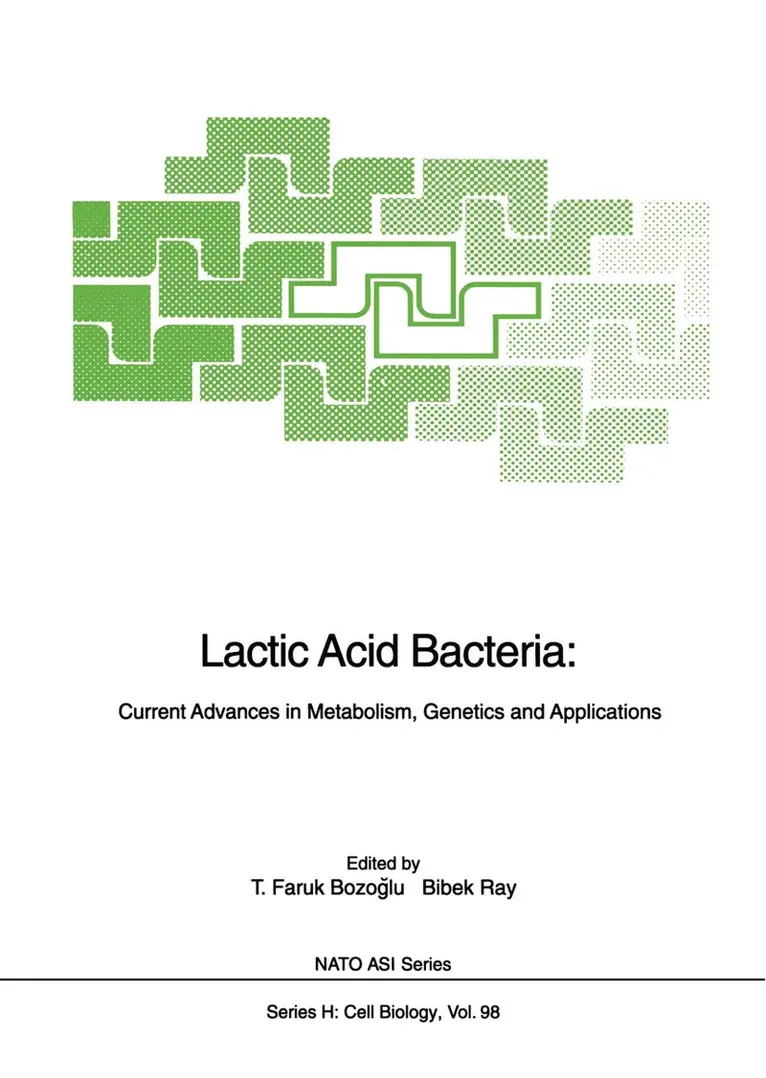
Lactic Acid Bacteria
Current Advances in Metabolism, Genetics and Applications
Inbunden, Engelska, 1996
2 115 kr
Skickas inom 10-15 vardagar
For a long time, lactic acid bacteria have played an indispensable role in food production. This book provides an overview and recent findings on their genetics and biochemistry as well as possible applications. The development and use of non-pathogenic lactic acid bacteria in vaccine delivery systems for mucosal immunizations are discussed. Their role in food fermentation, their use in carbohydrate modification and key systems for proteolysis and lantibiotic production are treated in detail. Further, the transformation of organic wastes into food and fertilizers is covered. The volume contains a wealth of useful information and can serve both as an introduction to the field for beginners and as a reference book.
2 115 kr
Skickas inom 10-15 vardagar
For a long time, lactic acid bacteria have played an indispensable role in food production. This book provides an overview and recent findings on their genetics and biochemistry as well as possible applications. The development and use of non-pathogenic lactic acid bacteria in vaccine delivery systems for mucosal immunizations are discussed. Their role in food fermentation, their use in carbohydrate modification and key systems for proteolysis and lantibiotic production are treated in detail. Further, the transformation of organic wastes into food and fertilizers is covered. The volume contains a wealth of useful information and can serve both as an introduction to the field for beginners and as a reference book.