E-bok, Engelska, 2016
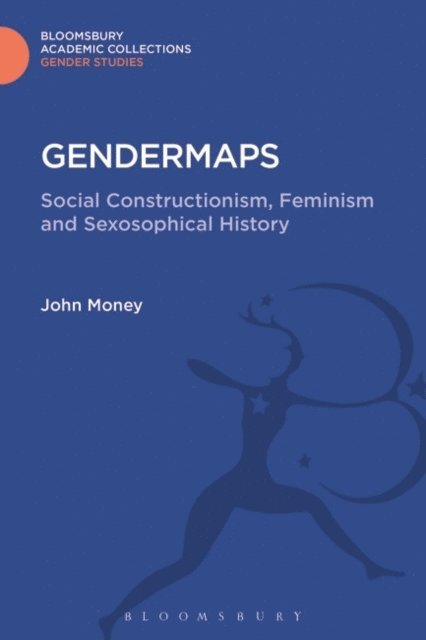
Gendermaps
Av John Money
1830 kr
Läs direkt i Bokus Reader – eller ladda ned till din enhet (PDF kräver ofta zoom och scroll på små skärmar).
Beskrivning
To understand masculine and feminine social and political history in the second half of the 20th century, one must first understand the lexical history of the term gender, which did not become an attribute of human beings until 1955 when John Money introduced the concept of gender role to refer to the masculine or feminine presentation of individuals whose genital organs, by reason of birth defect, were anatomically neither completely male or completely female, but hermaphroditic.
In this book, Money explores the history of gender differentiation and its impact on contemporary, postmodern social constructionist explanations of male and female. He argues that the nature vs nurture dichotomy should be abandoned in favour of a paradigm of nature/critical period/nurture. The book further discusses how some gender differences are phylogenetically shared by all people and others are ontologically unique to an individual.
In this book, Money explores the history of gender differentiation and its impact on contemporary, postmodern social constructionist explanations of male and female. He argues that the nature vs nurture dichotomy should be abandoned in favour of a paradigm of nature/critical period/nurture. The book further discusses how some gender differences are phylogenetically shared by all people and others are ontologically unique to an individual.
Produktinformation
- Utgivningsdatum: 2016-10-06
- Språk: Engelska
- Antal sidor: 176
- Filformat: PDF
- Kopieringsskydd: LCP
- ISBN: 9781474287876
- Förlag: Bloomsbury Publishing PLC
- Serie: Gender Studies: Bloomsbury Academic Collections
Utforska kategorier
Betyg & recensioner
0 recensioner
Inga recensioner tillgängliga.