• Fri frakt över 249 kr
  • •
  • Snabba leveranser
  • •
  • Billiga böcker
Kundservice

Du är på sajten för privatpersoner.

Företag, bibliotek eller offentlig verksamhet?

Du handlar på classic.bokus.com, där alla dina funktioner finns intakta.
Till classic.bokus.com
Bokus logotyp. Gå till startsidan.
  • Erbjudanden
  • Nyheter
  • Student
  • Topplistor
  • Barn & ungdom
  • Bokus Play
  • E-böcker
  • Pocketböcker
  • Spel & pussel

10% rabatt på allt med kod: NYSTART10 →

Sidfot

Mina sidor

    Hjälp

    • Kundservice
    • Vanliga frågor och svar
    • Frakt och leverans
    • Retur vid ångerrätt
    • Reklamera vara
    • Betalning
    • Köpvillkor
    • Allmänna villkor
    • Information om webbplatsens tillgänglighet

    Om Bokus

    • Om oss
    • Pressrum
    • För studenter
    • För företag
    • För bibliotek och offentlig verksamhet
    • För leverantörer
    • Hållbarhet

    Populärt

    • Aktuella erbjudanden
    • Presentkort
    • Studentlitteratur
    • Nya böcker
    • Topplistor
    • Signerade böcker
    • Engelska böcker

    Inspiration

    • Boktips
    • BookTok
    • Populära bokserier
    • Barnbokskaraktärer
    • Populära författare
    Logotyp för Bokus
    Följ oss på Facebook (extern länk)Följ oss på Instagram (extern länk)Följ oss på YouTube (extern länk)Följ oss på TikTok (extern länk)
    bokus @ CookiesAnpassa cookiesIntegritetspolicyKöpvillkor
    Till Citymail hemsida (extern länk)Till Budbee hemsida (extern länk)Till Postnord hemsida (extern länk)Till Schenker hemsida (extern länk)Till Early Bird hemsida (extern länk)Till Walleys hemsida (extern länk)
    1. Samhälle och politik
    2. Samhälle och kultur
    3. Kultur och medier
    4. Referensverk och tvärvetenskap

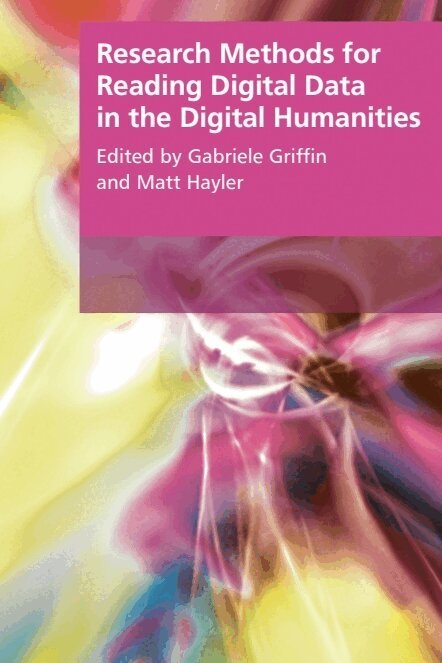
    Research Methods for Reading Digital Data in the Digital Humanities

    AvGabriele Griffin,Matt Hayler

    Häftad, Engelska, 2016

    Del i serien Research Methods for the Arts and Humanities

    431 kr

    Beställningsvara. Skickas inom 11-20 vardagar. Fri frakt över 249 kr.

    Beskrivning

    The first volume to introduce the techniques and methods of reading digital material for researchDigital Humanities has become one of the new domains of academe at the interface of technological development, epistemological change, and methodological concerns. This volume explores how digital material might be read or utilized in research, whether that material is digitally born as fanfiction, for example, mostly is, or transposed from other sources. The volume asks questions such as what happens when text is transformed from printed into digital matter, and how that impacts on the methods we bring to bear on exploring that technologized matter, for example in the case of digital editions. Issues such as how to analyse visual material in digital archives or Twitter feeds, how to engage in data mining, what it means to undertake crowd-sourcing, big data, and what digital network analyses can tell us about online interactions are dealt with. This will give Humanities researchers ideas for doing digitally based research and also suggest ways of engaging with new digital research methods.Key featuresFirst volume centred on the navigation and interpretation of digital material as research methods in the HumanitiesUp-to-date analyses of issues and methods including big data, crowdsourcing, digital network analysis, working with digital additionsBased on actual research projects such as para-textual work with fanfiction, reading twitter, different kinds of distant and close readings

    Produktinformation

    • Utgivningsdatum:2016-02-15
    • Mått:156 x 234 x 16 mm
    • Vikt:360 g
    • Format:Häftad
    • Språk:Engelska
    • Serie:Research Methods for the Arts and Humanities
    • Antal sidor:256
    • Förlag:Edinburgh University Press
    • ISBN:9781474409612

    Utforska kategorier

    • Referensverk och tvärvetenskap inom Samhälle och politik
    • Litteraturvetenskap inom Skönlitteratur

    Mer om författaren

    Gabriele Griffin is Chair in Gender Research at Uppsala University, Sweden. She has a long-standing research interest in research methods for the Humanities, and in women’s cultural production. Recent publications include The Emotional Politics of Research Collaboration (co-ed.; Routledge 2013) and The Social Politics of Research Collaboration (co-ed.; Routledge 2013). She is editor of the ‘research Methods for the Arts and Humanities’ series (Edinburgh UP). Matt Hayler is a Lecturer in post-1980s Literature at the University of Birmingham specializing in Digital and Cyberculture Studies, specifically (post)phenomenology and Cognitive Science influenced approaches to e-reading and to technology more broadly. Recent publications include Challenging the Phenomena of Technology (Palgrave 2015) and chapters on technology and the digital humanities in forthcoming volumes on Futures for English Studies (Palgrave 2016, co-written with Marilyn Deegan) and Theatre Performance and Cognition (Methuen 2016).

    Recensioner i media

    Reading Digital Data, alongside its companion volume, offers an approachable introduction to digital humanities research methods without swamping the non-specialist reader with terminology and technical debates. This ensures that the audience can expand beyond digital humanists to those who practice more traditional elements of DH’s constituent disciplines.

    Innehållsförteckning

    • Introduction, Gabriele Griffin and Matt Hayler; 2. Matter Matters: The Effects of Materiality and the Move from Page to Screen, Matt Hayler; 3. Reading the Visual Page in the Digital Archive, Nathalie M. Houston; 4. Paratextual Navigation as a Research Method: Fan Fiction Archives and Reader Instructions, Maria Lindgren Leavenworth; 5. Data Mining and Word Frequency Analysis, Dawn Archer; 6. Reading Twitter: Combining Qualitative and Quantitative Methods in the Interpretation of Twitter Material, Stefan Gelfgren; 7. Reading Small Data in Indigenous Contexts: Ethical Perspectives, Coppélie Cocq; Knowing Your Crowd: An Essential Component to Crowdsourcing Research, Gabriel K. Wolfenstein; 9. Fantasies of Scientificity: Ethnographic Identity and the Use of QDA Software, Anna Johansson and Anna Sofia Lundgren; 10. Digital Network Analysis: Understanding Everyday Online Discourse Micro- and Macroscopically, Robert Glenn Howard; 11. Dealing with Big Data, Tobias Blanke and Andrew Prescott; Notes on Contributors; Index.