• Fri frakt över 249 kr
  • •
  • Snabba leveranser
  • •
  • Billiga böcker
Kundservice

Du är på sajten för privatpersoner.

Företag, bibliotek eller offentlig verksamhet?

Du handlar på classic.bokus.com, där alla dina funktioner finns intakta.
Till classic.bokus.com
Bokus logotyp. Gå till startsidan.
  • Erbjudanden
  • Nyheter
  • Student
  • Topplistor
  • Barn & ungdom
  • Bokus Play
  • E-böcker
  • Pocketböcker
  • Spel & pussel

10% rabatt på allt med kod NYSTART10 →

Sidfot

Mina sidor

    Hjälp

    • Kundservice
    • Vanliga frågor och svar
    • Frakt och leverans
    • Retur vid ångerrätt
    • Reklamera vara
    • Betalning
    • Köpvillkor
    • Allmänna villkor
    • Information om webbplatsens tillgänglighet

    Om Bokus

    • Om oss
    • Pressrum
    • För studenter
    • För företag
    • För bibliotek och offentlig verksamhet
    • För leverantörer
    • Hållbarhet

    Populärt

    • Aktuella erbjudanden
    • Presentkort
    • Studentlitteratur
    • Nya böcker
    • Topplistor
    • Signerade böcker
    • Engelska böcker

    Inspiration

    • Boktips
    • BookTok
    • Populära bokserier
    • Barnbokskaraktärer
    • Populära författare
    Logotyp för Bokus
    Följ oss på Facebook (extern länk)Följ oss på Instagram (extern länk)Följ oss på YouTube (extern länk)Följ oss på TikTok (extern länk)
    bokus @ CookiesAnpassa cookiesIntegritetspolicyKöpvillkor
    Till Citymail hemsida (extern länk)Till Budbee hemsida (extern länk)Till Postnord hemsida (extern länk)Till Schenker hemsida (extern länk)Till Early Bird hemsida (extern länk)Till Walleys hemsida (extern länk)
    1. Hälsa och familj
    2. Hälsa
    3. Särskilda hälsotillstånd
    4. Fysiskafunktionsvariationer

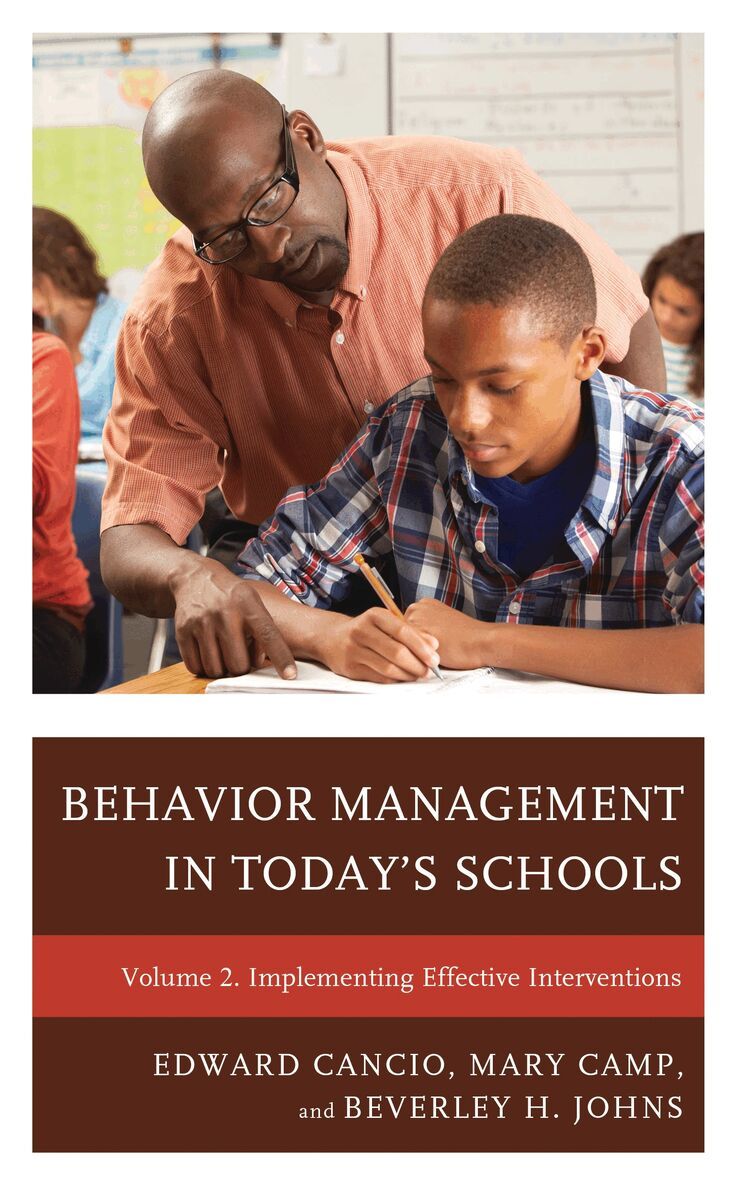
    Behavior Management in Today’s Schools: Implementing Effective Interventions

    Volume 2

    AvEdward Cancio,Mary Camp

    Inbunden, Engelska, 2019

    817 kr

    Beställningsvara. Skickas inom 10-15 vardagar. Fri frakt över 249 kr.

    Fler format och utgåvor

    Häftad

    439 kr

    Beskrivning

    Children enter the school doors today with many diverse needs: mental health problems, ADHD, anxiety, victims of physical or sexual abuse, homelessness, or facing some other type of trauma. Teachers in today’s classrooms are struggling to understand the needs of their students and to provide a supportive and nurturing environment, while maintaining structure and routine. In whatever setting students are, teachers must understand the challenges that students come to school facing, know how to assess the needs of the children, build positive relationships with them, collaborate with others, and take care of themselves. The first book in this two book volume explored the needed components in setting the stage for meeting the needs of the students. This second volume provides the specific interventions that teachers will need to implement. Included in this volume are evidence-based academic interventions and behavioral interventions. Other chapters provide interventions to incorporate wellness and the creative arts. Strategies to teach social skills and to prepare students for independent living and the world of work are also an integral part of this volume.

    Produktinformation

    • Utgivningsdatum:2019-02-08
    • Mått:161 x 230 x 14 mm
    • Vikt:318 g
    • Format:Inbunden
    • Språk:Engelska
    • Antal sidor:114
    • Förlag:Bloomsbury Publishing Plc
    • ISBN:9781475847567

    Utforska kategorier

    • Fysiskafunktionsvariationer inom Hälsa och familj
    • Utbildningsstrategier och utbildningspolitik inom Psykologi och pedagogik
    • Lärarutbildning inom Psykologi och pedagogik

    Mer om författaren

    Edward Cancio is currently an Associate Professor at the University of Toledo in Ohio. Ed has a wealth of experience in working with students with challenging behaviors in schools in Illinois. He holds a doctorate from the Utah State University and is the past president of the Ohio Council for Children with Behavioral Disorders. He is a recognized speaker in the area of teacher stress and implementing motivational systems for students.Mary Camp has over 40 years of experience in working with students with behavioral and emotional disorders. She was the administrator of a special school for students, with severe emotional disabilities, in Peoria, Illinois. Mary holds an ED. D. from Illinois State University. She is a Past President of the Illinois Council for Children with Behavioral Disorders. She is a recognized speaker in the area of autism, transition, and evidence-based interventions. She has frequently taught college classes as an adjunct professor at various colleges. Beverley H. Johns is currently a Professional Fellow at MacMurray College in Jacksonville, Illinois, and has had over 33 years experience working with students with the most significant behavioral disorders. She was the administrator of an alternative school for students with behavioral disorders. She is the author or co-author of twenty two books on the subject of working with students with special needs. She is a Past President of the Council for Children with Behavioral Disorders and serves on the board of the Illinois Council for Children with Behavioral Disorders.

    Recensioner i media

    This book is a must have for teachers who wishes to expand their knowledge and skills in the area of behavior management and for related service personnel who are involved in developing Behavior Improvement Plans. It provides a comprehensive overview of strategies, and examples of how they can be used in the school environment. Included in each description of strategies are barriers that might limit results and suggestions of how to overcome these barriers . This volume is packed with practical information and tips for maximizing student success.

    Innehållsförteckning

    • IntroductionChapter One—Evidence-Based Behavioral InterventionsChapter Two—Evidence-Based Academic InterventionsChapter Three—Building Physical Fitness and WellnessChapter Four—Creative Arts and Their Role in Working with Students with Emotional/Behavioral DisordersChapter Five—Teaching Social SkillsChapter Six—Planning for Effective TransitionsConclusion