• Fri frakt över 249 kr
  • •
  • Snabba leveranser
  • •
  • Billiga böcker
Kundservice

Du är på sajten för privatpersoner.

Företag, bibliotek eller offentlig verksamhet?

Du handlar på classic.bokus.com, där alla dina funktioner finns intakta.
Till classic.bokus.com
Bokus logotyp. Gå till startsidan.
  • Erbjudanden
  • Nyheter
  • Student
  • Topplistor
  • Barn & ungdom
  • Bokus Play
  • E-böcker
  • Pocketböcker
  • Spel & pussel

10% rabatt på allt med kod NYSTART10 →

Sidfot

Mina sidor

    Hjälp

    • Kundservice
    • Vanliga frågor och svar
    • Frakt och leverans
    • Retur vid ångerrätt
    • Reklamera vara
    • Betalning
    • Köpvillkor
    • Allmänna villkor
    • Information om webbplatsens tillgänglighet

    Om Bokus

    • Om oss
    • Pressrum
    • För studenter
    • För företag
    • För bibliotek och offentlig verksamhet
    • För leverantörer
    • Hållbarhet

    Populärt

    • Aktuella erbjudanden
    • Presentkort
    • Studentlitteratur
    • Nya böcker
    • Topplistor
    • Signerade böcker
    • Engelska böcker

    Inspiration

    • Boktips
    • BookTok
    • Populära bokserier
    • Barnbokskaraktärer
    • Populära författare
    Logotyp för Bokus
    Följ oss på Facebook (extern länk)Följ oss på Instagram (extern länk)Följ oss på YouTube (extern länk)Följ oss på TikTok (extern länk)
    bokus @ CookiesAnpassa cookiesIntegritetspolicyKöpvillkor
    Till Citymail hemsida (extern länk)Till Budbee hemsida (extern länk)Till Postnord hemsida (extern länk)Till Schenker hemsida (extern länk)Till Early Bird hemsida (extern länk)Till Walleys hemsida (extern länk)
    1. Historia och arkeologi
    2. Historia
    3. Militärhistoria
    4. Modern militärhistoria

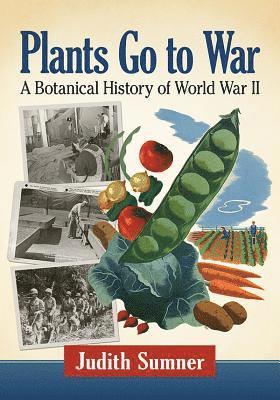
    Plants Go to War

    A Botanical History of World War II

    AvJudith Sumner

    Häftad, Engelska, 2019

    486 kr

    Beställningsvara. Skickas inom 5-8 vardagar. Fri frakt över 249 kr.

    Beskrivning

    As the first botanical history of World War II, Plants Go to War examines military history from the perspective of plant science. From victory gardens to drugs, timber, rubber, and fibers, plants supplied materials with key roles in victory. Vegetables provided the wartime diet both in North America and Europe, where vitamin-rich carrots, cabbages, and potatoes nourished millions. Chicle and cacao provided the chewing gum and chocolate bars in military rations. In England and Germany, herbs replaced pharmaceutical drugs; feverbark was in demand to treat malaria, and penicillin culture used a growth medium made from corn. Rubber was needed for gas masks and barrage balloons, while cotton and hemp provided clothing, canvas, and rope. Timber was used to manufacture Mosquito bombers, and wood gasification and coal replaced petroleum in European vehicles. Lebensraum, the Nazi desire for agricultural land, drove Germans eastward; troops weaponized conifers with shell bursts that caused splintering. Ironically, the Nazis condemned non-native plants, but adopted useful Asian soybeans and Mediterranean herbs. Jungle warfare and camouflage required botanical knowledge, and survival manuals detailed edible plants on Pacific islands. Botanical gardens relocated valuable specimens to safe areas, and while remote locations provided opportunities for field botany, Trees surviving in Hiroshima and Nagasaki live as a symbol of rebirth after vast destruction.

    Produktinformation

    • Utgivningsdatum:2019-06-17
    • Mått:178 x 254 x 19 mm
    • Vikt:640 g
    • Format:Häftad
    • Språk:Engelska
    • Antal sidor:366
    • Förlag:McFarland & Co Inc
    • ISBN:9781476676128

    Utforska kategorier

    • Modern militärhistoria inom Historia och arkeologi
    • Andra världskriget inom Historia och arkeologi
    • Växtböcker inom Djur och Natur

    Mer om författaren

    Judith Sumner is a botanist and author with particular interest in the historical uses of plants. She is a frequent lecturer for audiences of all kinds and has taught for many years at colleges and botanical gardens. She lives in Worcester, Massachusetts.

    Recensioner i media

    “In this impressively researched exploration, esteemed ethnobotanist Sumner takes a scholarly yet totally accessible approach to the myriad ways plant materials were critical to both Allied and Axis war efforts. With balanced attention to domestic sacrifices and ingenuity, Sumner’s astonishing discoveries make this a fascinating read for botany buffs and those steeped in military history.”—Booklist

    Innehållsförteckning

    • Table of ContentsPreface1. Victory GardensCrops and Cultivation 7; Garden Strategies 11; Soils and Fertilizers 13; Pests and Diseases 15; Seed Catalogues, Seed Saving and Cultivars 17; Spreading the Word 19; Urban Victories 21; Children’s Gardens 24; The Harvest2. Dig for VictoryGarden Plans 32; Allotment Gardening 35; Carrying On 36; Cultivars and Propagation 39; Ground Work 42; Extending the Season 44; Sheltering in the Garden 45; Women’s Institutes, Children and Wartime Gardening 47; Schrebergarten3. Vitamins and Food PreservationVitamin Knowledge 51; The Vitamin War 52; Keeping and Canning Food 56; The Hedgerow Harvest 62; Dehydration and Freezing4. Botanical Diet and CookerySugar 66; Coffee 69; Margarine 70; Rationing, Meals and Botanical Foods 71; Cooking for Victory 73; Legumes Replace Meat 77; Bread Strategies 80; Making Do 80; Feeding England 84; Something from Nothing 95; The German Home Front 99; Across Europe 105; The Japanese Home Front5. Feeding the MilitaryMilitary Meals 110; Strategic Planning 112; Daily Bread 113; Field Cookery 115; Field Rations 117; Military Chocolate 119; Operational Rations 120; Caffeine 122; Supplying the Axis6. Agriculture at WarMobilizing Farms 129; Military Farms 131; Hybridization and Hybrid Vigor 133; Sugar Beets, Soybeans and Oil Crops 136; Plant Nutrients and Soil Fertility 140; Pests and Pesticides 142; Biological Warfare and the Wartime Food Supply 143; Harvesting Labor 145; Farming in England 147; The Land Army, Schools and Harvests 152; German Agriculture, Hereditary Farms and Plant Breeding 156; Farming in Japan7. Medicinal BotanyEssential Drugs 166; Home Front Medicine 168; Battlefront Medicine 169; Malaria and Quinine 173; Scrub Typhus 178; Botanical Antibiotics 180; Penicillin 182; Agar 185; County Herb Committees 186; German Herbalism8. FibersCotton 197; Bast Fibers 201; Milkweed 206; Silk 208; Manage, Make Do, Mend and Survive 209; Fungi and Fibers 211; Fiber Currency9. Forestry, Timber and WoodForests and Timber 216; Wood Production 217; Military Forestry 219; Timber in England 220; Combat 223; Hedgerows 229; Construction, Boats, Airplanes and Plywood 233; Paper, Books and Balloons 240; Cork 247; Coal and Charcoal 248; Forestry, Forests and the Third Reich 251; The Homefront 253; History in Timber10. Oils, Resins and RubberBotanical Oils and Resins 257; Latex, Rubber and Rationing 260; Rubber Plants 263; German Strategies 266; Military Rubber 267; Gas Masks 269; Barrage Balloons 271; Synthetic Rubber11. SurvivalPreparation 275; Deception and Camouflage 278; Survival Manuals 287; Deprivation, Starvation and Epigenetics 293; Subsistence Gardens 300; Regeneration12. Botanical Gardens, Herbaria and Plant Science in WartimePractical Knowledge 308; Collections 310; Occupation 313; Field Botany 314; Germany and Native Plants 317; Homefront Horticulture 322; RebirthChapter NotesBibliographyIndex