Judith Sumner – författare
Visar alla böcker från författaren Judith Sumner. Handla med fri frakt och snabb leverans.
4 produkter
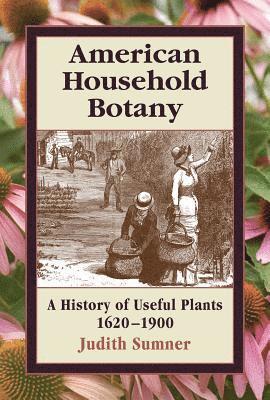
American Household Botany
A History of Useful Plants, 1620-1900
Inbunden, 2004
259 kr
Lägg i varukorg
In this fascinating book, a celebrated author rescues from the pages of history the practical experience and botanical wisdom of generations of Americans. This book is only available through print on demand. All interior art is black and white.
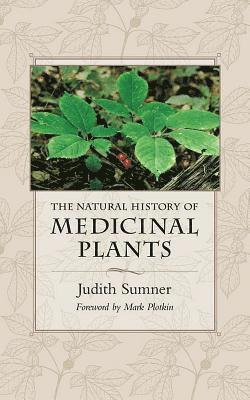
Natural History of Medicinal Plants
Häftad, 2008
235 kr
Lägg i varukorg
Wild and cultivated plants have provided humans with cures for thousands of years. Aspirin, for example, the most widely used drug in the Western pharmacopoeia, was first isolated from willows to treat fever, pain, and inflammation. Writing for the lay reader, the author surveys the history of the …
Plants Go to War
A Botanical History of World War II
Häftad, 2019
502 kr
Lägg i varukorg
As the first botanical history of World War II, Plants Go to War examines military history from the perspective of plant science. From victory gardens to drugs, timber, rubber, and fibers, plants supplied materials with key roles in victory. Vegetables provided the wartime diet both in North …
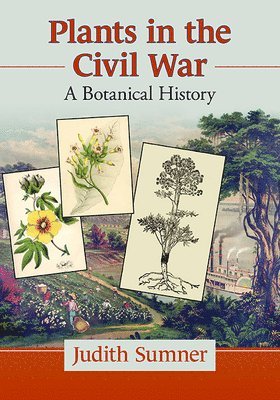
Plants in the Civil War
A Botanical History
Häftad, 2022
502 kr
Lägg i varukorg
Slavery was at the heart of the South's agrarian economy before and during the Civil War. Agriculture provided products essential to the war effort, from dietary rations to antimalarial drugs to raw materials for military uniforms and engineering. Drawing on a range of primary sources, this history …