Inbunden, Engelska, 2026
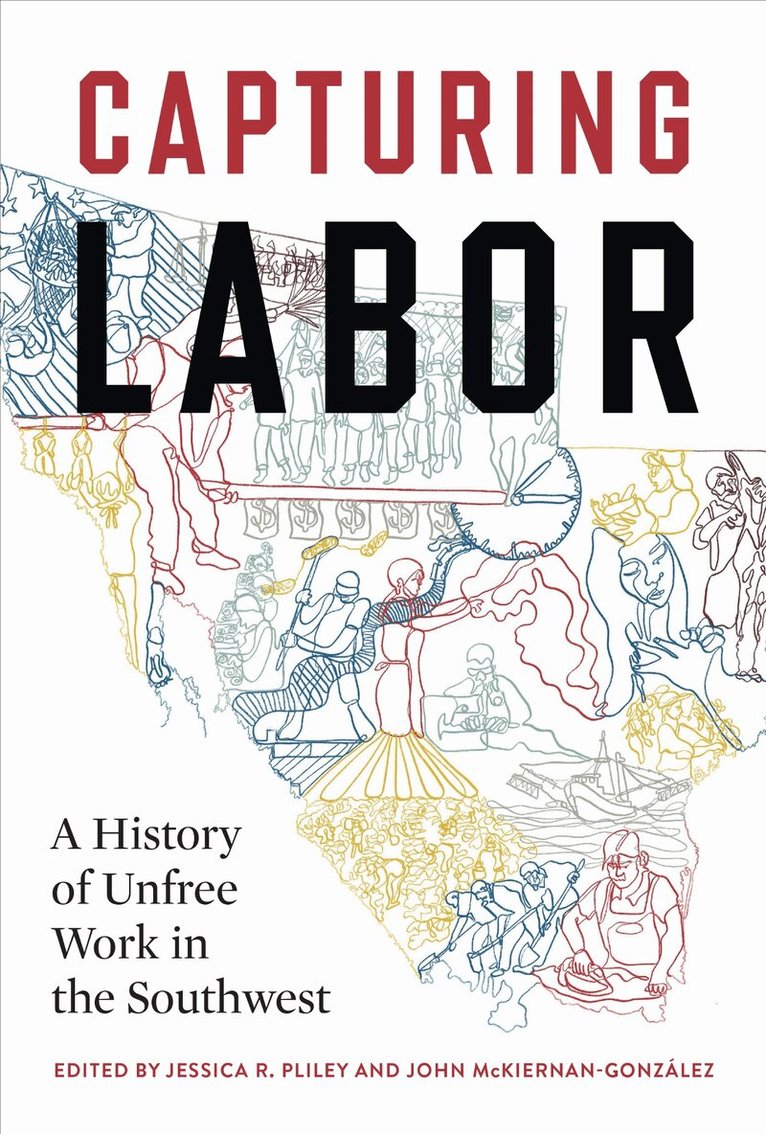
Capturing Labor
A History of Unfree Work in the Southwest
Av Jessica R. Pliley, John Mckiernan-González
524 kr
Beställningsvara. Skickas inom 7-10 vardagar. Fri frakt över 249 kr.
Beskrivning
Produktinformation
- Utgivningsdatum: 2026-04-14
- Mått: 152 x 229 x 30 mm
- Vikt: 567 g
- Format: Inbunden
- Språk: Engelska
- Antal sidor: 280
- Förlag: University of Texas Press
- ISBN: 9781477333457
Utforska kategorier
Mer om författaren
Jessica R. Pliley is a professor of women's and gender history at Texas State University. She is the author of Policing Sexuality: The Mann Act and the Making of the FBI and the coeditor of Fighting Modern Slavery and Human Trafficking: History and Contemporary Policy and Global Anti-Vice Activism, 1890–1950: Fighting Drinks, Drugs, and "Immorality."John Mckiernan-González is the director of the Center for the Study of the Southwest and an associate professor of history at Texas State University. He is the author of Fevered Measures: Public Health and Race at the Texas-Mexico Border, 1848–1942 and coeditor of Precarious Prescriptions: Contested Histories of Race and Health in North America.
Recensioner i media
"Remarkable in its scope, analysis, and ambition, Capturing Labor sheds new light on systems of coerced labor and how central they have been to the histories of race, politics, and capitalism in the American Southwest. Not a specialist in the history of the American Southwest? You will still want to read the essays contained in this volume, as each, in its own way, challenges us to think about the history of coerced labor in new, fascinating, and important ways." - Stephen C. Beda, University of Oregon, author of Strong Winds and Widow Makers: Workers, Nature, and Environmental Conflict in Pacific Northwest Timber Country"Capturing a persistent history of unfree labor, this outstanding collection questions triumphalist interpretations of freedom by documenting slavery, peonage, indentured, contract, unpaid, and carceral arrangements well into the twentieth century. The Southwest emerges as central to capital accumulation through the bodies of Black, Mexican, Indigenous, and poor white workers. The brothel, "Native" boarding school, "feebleminded" asylum, and the prison join fields, restaurants, and factories as sites of coercion and exploitation, reinforced by law but subject to the struggles of working people themselves. In the process, Pliley and Mckiernan-González powerfully demonstrate the ways that reproductive labor feeds into racial capitalism." - Eileen Boris, UC Santa Barbara, author of Making the Woman Worker: Precarious Labor and the Fight for Global Standards, 1919–2019
Betyg & recensioner
0 recensioner
Inga recensioner tillgängliga.