• Fri frakt över 249 kr
  • •
  • Snabba leveranser
  • •
  • Billiga böcker
Kundservice

Du är på sajten för privatpersoner.

Företag, bibliotek eller offentlig verksamhet?

Du handlar på classic.bokus.com, där alla dina funktioner finns intakta.
Till classic.bokus.com
Bokus logotyp. Gå till startsidan.
  • Erbjudanden
  • Student
  • Topplistor
  • Barn & ungdom
  • Bokus Play
  • E-böcker
  • Ljudböcker
  • Pocketböcker
  • Spel och pussel

5% studentrabatt – använd koden KURSBOK27 →

Sidfot

Mina sidor

    Hjälp

    • Kundservice
    • Vanliga frågor och svar
    • Frakt och leverans
    • Retur vid ångerrätt
    • Reklamera vara
    • Betalning
    • Köpvillkor
    • Allmänna villkor
    • Information om webbplatsens tillgänglighet

    Om Bokus

    • Om oss
    • Pressrum
    • För studenter
    • För företag
    • För bibliotek och offentlig verksamhet
    • För leverantörer
    • Hållbarhet

    Populärt

    • Aktuella erbjudanden
    • Presentkort
    • Studentlitteratur
    • Nya böcker
    • Topplistor
    • Signerade böcker
    • Engelska böcker

    Inspiration

    • Boktips
    • BookTok
    • Barnbokskaraktärer
    • Populära författare
    Logotyp för Bokus
    Följ oss på Facebook (extern länk)Följ oss på Instagram (extern länk)Följ oss på YouTube (extern länk)Följ oss på TikTok (extern länk)
    bokus @ CookiesAnpassa cookiesIntegritetspolicyKöpvillkor
    Till Citymail hemsida (extern länk)Till Budbee hemsida (extern länk)Till Postnord hemsida (extern länk)Till Schenker hemsida (extern länk)Till Early Bird hemsida (extern länk)Till Walleys hemsida (extern länk)
    1. Historia och arkeologi
    2. Historia
    3. Historia: särskilda händelser och ämnen
    4. Socialhistoria och kulturhistoria

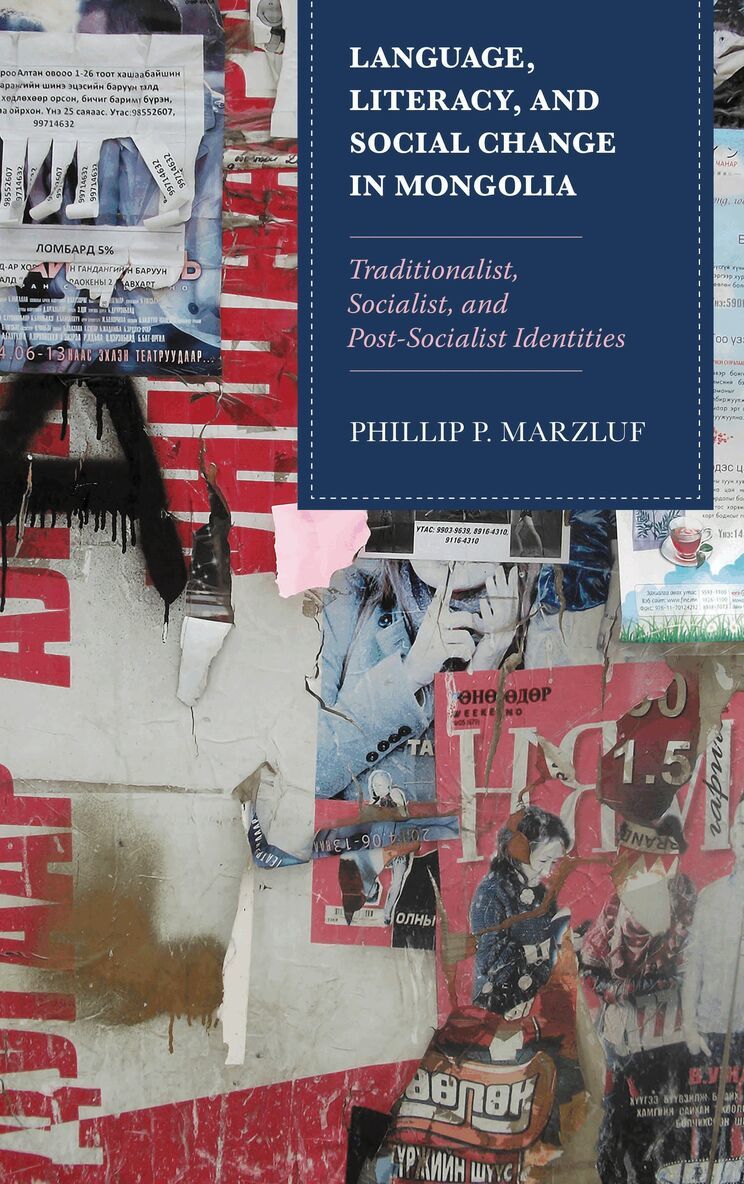
    Language, Literacy, and Social Change in Mongolia

    Traditionalist, Socialist, and Post-Socialist Identities

    AvPhillip P. Marzluf

    Inbunden, Engelska, 2017

    Del i serien Contemporary Central Asia: Societies, Politics, and Cultures

    1 437 kr

    Beställningsvara. Skickas inom 10-15 vardagar. Fri frakt över 249 kr.

    Beskrivning

    Language, Literacy, and Social Change in Mongolia is the first full-length treatment of literacy in Mongolian. Challenging readers’ assumptions about Central Asia and Mongolia, this book focuses on Mongolians’ experiences with reading and writing throughout the past 100 years. Literacy, as a powerful historical and social variable, shows readers how reading and writing have shaped the lives of Mongolians and, at the same time, how reading and writing have been transformed by historical, political, economic, and other social forces.Mongolian literacy serves as an especially rich area of inquiry because of the dramatic political, economic, and social changes that occurred in the twentieth and twenty-first centuries. For the seventy years during which Mongolia was a part of the communist Soviet world, literacy played an important role in how Mongolians identified themselves, conceived of the past, and created a new social order. Literacy was also a part of the story of authoritarianism and state violence. It was used to express the authority of the communist Mongolian People’s Revolutionary Party, control the pastoral population, and suppress non-socialist beliefs and practices. Mongolians’ reading and writing opportunities and resources were tightly controlled, and the language policy of replacing the traditional Mongolian script with the Cyrillic alphabet immediately followed the violent repression of Buddhist leaders, government officials, and intellectuals.Beginning with the 1990 Democratic Revolution, Mongolians have been thrust into free-market capitalism, privatization, globalization, and neoliberalism. In post-socialist Mongolia, literacy no longer serves as the center for Mongolian identity. Government subsidies to pastoral literacy resources have been slashed, and administrators now find themselves competing with other “developing countries” for educational funding. Due to the pressures caused by globalization, Mongolians have begun to talk about literacy and language in terms of crisis and anxiety. As global flows of English compete with new symbols from the distant past, Mongolians worry about the perceived lowering standards of Mongolian linguistic usage amid rapid economic changes. These worries also reveal themselves in official language policies and manifest themselves in the multiple languages and scripts that appear in the capital of Ulaanbaatar and other urban areas.

    Produktinformation

    • Utgivningsdatum:2017-11-22
    • Mått:156 x 239 x 20 mm
    • Vikt:549 g
    • Format:Inbunden
    • Språk:Engelska
    • Serie:Contemporary Central Asia: Societies, Politics, and Cultures
    • Antal sidor:234
    • Förlag:Bloomsbury Publishing Plc
    • ISBN:9781498534857

    Utforska kategorier

    • Socialhistoria och kulturhistoria inom Historia och arkeologi
    • Asiens historia inom Historia och arkeologi
    • Litteraturvetenskap inom Skönlitteratur

    Mer om författaren

    Phillip P. Marzluf is associate professor in the English Department at Kansas State University, where he teaches classes on literacy, professional writing, pedagogy, and world literature.

    Recensioner i media

    Phillip P. Marzluf provides a balanced and valuable analysis of the Mongolian socialist government’s policies and efforts to increase the rate of literacy, which had gradually begun to rise during the late nineteenth and early twentieth centuries. He shows that the government not only employed schools but also poster and street signs, posters, the oral tradition of poetry, and music in its literacy campaigns. Public health officials and the military were recruited to foster literacy. Although the government’s statistics were somewhat exaggerated, the increase in the numbers of Mongolians who could read and write was impressive. Marzluf then surveys the difficulties in promoting literacy in post-socialist Mongolia and describes the links between language and ethnic identity in modern Mongolia.

    Innehållsförteckning

    • Chapter 1: IntroductionChapter 2: The Pastoral Home School: Rural Vernacular, and Grassroots Literacies in Early Socialist MongoliaChapter 3: How to Think Like a Socialist: Official Representations of Literacy in Socialist MongoliaChapter 4: Literacy under Authority: The Young Pioneers and the Cultural CampaignsChapter 5: Sponsorship and the Official Center of Post-Socialist LiteracyChapter 6: Post-Socialist English and National Language IdeologiesChapter 7: Urban Linguistic Landscapes and Post-Socialist Public Audiences