• Fri frakt över 249 kr
  • •
  • Snabba leveranser
  • •
  • Billiga böcker
Kundservice

Du är på sajten för privatpersoner.

Företag, bibliotek eller offentlig verksamhet?

Du handlar på classic.bokus.com, där alla dina funktioner finns intakta.
Till classic.bokus.com
Bokus logotyp. Gå till startsidan.
  • Erbjudanden
  • Nyheter
  • Student
  • Topplistor
  • Barn & ungdom
  • Bokus Play
  • E-böcker
  • Pocketböcker
  • Spel & pussel

10% rabatt på allt med kod: NYSTART10 →

Sidfot

Mina sidor

    Hjälp

    • Kundservice
    • Vanliga frågor och svar
    • Frakt och leverans
    • Retur vid ångerrätt
    • Reklamera vara
    • Betalning
    • Köpvillkor
    • Allmänna villkor
    • Information om webbplatsens tillgänglighet

    Om Bokus

    • Om oss
    • Pressrum
    • För studenter
    • För företag
    • För bibliotek och offentlig verksamhet
    • För leverantörer
    • Hållbarhet

    Populärt

    • Aktuella erbjudanden
    • Presentkort
    • Studentlitteratur
    • Nya böcker
    • Topplistor
    • Signerade böcker
    • Engelska böcker

    Inspiration

    • Boktips
    • BookTok
    • Populära bokserier
    • Barnbokskaraktärer
    • Populära författare
    Logotyp för Bokus
    Följ oss på Facebook (extern länk)Följ oss på Instagram (extern länk)Följ oss på YouTube (extern länk)Följ oss på TikTok (extern länk)
    bokus @ CookiesAnpassa cookiesIntegritetspolicyKöpvillkor
    Till Citymail hemsida (extern länk)Till Budbee hemsida (extern länk)Till Postnord hemsida (extern länk)Till Schenker hemsida (extern länk)Till Early Bird hemsida (extern länk)Till Walleys hemsida (extern länk)
    1. Samhälle och politik
    2. Samhälle och kultur
    3. Sociala och etiska frågor
    4. Diskriminering och rättvisa

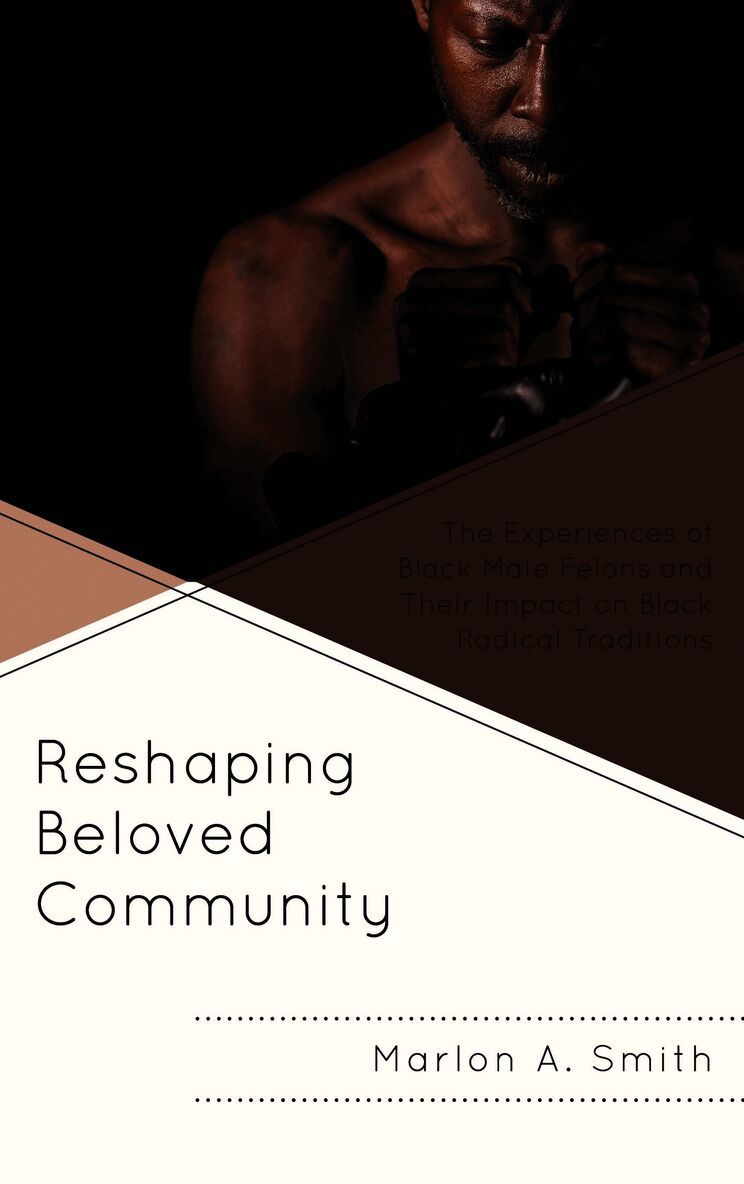
    Reshaping Beloved Community

    The Experiences of Black Male Felons and Their Impact on Black Radical Traditions

    AvMarlon A. Smith

    Häftad, Engelska, 2020

    Del i serien Africana Experience and Critical Leadership Studies

    534 kr

    Beställningsvara. Skickas inom 10-15 vardagar. Fri frakt över 249 kr.

    Beskrivning

    Reshaping Beloved Community: The Experiences of Black Male Felons and Their Impact on Black Radical Traditions offers a reflexive interrogation on the history of black male incarceration in the United States starting in the nineteenth century to both illustrate the complex ways black male felons have been discursively constructed and the various techniques utilized in the United States to erase the contributions of black male felons and their black radical projects. This erasure has left many black men without the benefit of fellowship and community. Therefore, Reshaping Beloved Community focuses on particular black male felons and their cultural production to highlight experiences of blackness that is often marginalized or ignored. In order to characterize these experiences and contributions of black male felons, Reshaping Beloved Community expands Victor Anderson’s definition of creative exchange by offering contemplative conversations of black male felons in history and the cultural works they produced. It draws on an interdisciplinary approach to reveal how some black male felons have used prison and the experience of incarceration to craft narratives and liberation movements. The philosophical approach within Reshaping Beloved Community deploys constructive and innovative concepts, particularly of the grotesque, to interpret how black male felons have resisted American political and cultural restraints on their humanity. Anderson’s concepts of creative exchange help create a framework that enables readers to see how the cultural production of black male felons reveals the unique experiences and worldview of black men trapped in various forms of penal captivity. These experiences speak to a deeper reality that is largely hidden because of the ways incarceration and penal captivity diminishes certain people in society. Yet a reengagement with those movements helps to link black male felons to the whole of black life and culture.In the end, Reshaping Beloved Community allows black radical scholars to gain deeper insight into the roles black male felons have played in critiquing American politics and culture. Moreover, it shows that the cultural productions of black male felons are just as important to understanding black life in American society as slave narratives, blues music, and the like.

    Produktinformation

    • Utgivningsdatum:2020-08-14
    • Mått:155 x 230 x 15 mm
    • Vikt:313 g
    • Format:Häftad
    • Språk:Engelska
    • Serie:Africana Experience and Critical Leadership Studies
    • Antal sidor:220
    • Förlag:Bloomsbury Publishing Plc
    • ISBN:9781498569354

    Utforska kategorier

    • Diskriminering och rättvisa inom Samhälle och politik
    • Statsvetenskap och politisk teori inom Samhälle och politik
    • Politik och statsskick inom Samhälle och politik

    Mer om författaren

    Marlon A. Smith is lecturer at the University of Houston.

    Recensioner i media

    Marlon Smith provides a necessary critique of the black felon experience in a carceral state where slavery remains constitutionally mandated within the structure of the 13th Amendment. This brilliant collection of experienced thought serves as a necessary evolution from Alexander’s New Jim Crow to a development of the deconstruction of those ritualistic sacrifices at the altar of justice.

    Innehållsförteckning

    • Introduction Chapter 1 Slave and Free: The Mapping of Race, Religion, and Punishment in the New World Chapter 2 The Construction of Nineteenth Century Black Prison Radicals: An Address to Non-Reflexive Interpretations Chapter 3 A Challenge to Black Heroic Images: Huddie Ledbetter and the Politics of a Black Male Felon Chapter 4 20th Century Black Radical Prison Intellectuals: Malcolm X, George Jackson, and the Expansion of Nineteenth Century Black Prison Praxis Chapter 5 Prison Prophets: Twenty First Century Black Male Felons on Race, Religion and Mass Incarceration Chapter 6Expanding the Beloved Community: Black Church, Black Felons and Mass Incarceration Conclusion Where Do We Go From Here: Gender, Education and SexualityBibliographyAbout the Author