• Fri frakt över 249 kr
  • •
  • Snabba leveranser
  • •
  • Billiga böcker
Kundservice

Du är på sajten för privatpersoner.

Företag, bibliotek eller offentlig verksamhet?

Du handlar på classic.bokus.com, där alla dina funktioner finns intakta.
Till classic.bokus.com
Bokus logotyp. Gå till startsidan.
  • Erbjudanden
  • Student
  • Topplistor
  • Barn & ungdom
  • Bokus Play
  • E-böcker
  • Ljudböcker
  • Pocketböcker
  • Spel och pussel

5% studentrabatt – använd koden KURSBOK27 →

Sidfot

Mina sidor

    Hjälp

    • Kundservice
    • Vanliga frågor och svar
    • Frakt och leverans
    • Retur vid ångerrätt
    • Reklamera vara
    • Betalning
    • Köpvillkor
    • Allmänna villkor
    • Information om webbplatsens tillgänglighet

    Om Bokus

    • Om oss
    • Pressrum
    • För studenter
    • För företag
    • För bibliotek och offentlig verksamhet
    • För leverantörer
    • Hållbarhet

    Populärt

    • Aktuella erbjudanden
    • Presentkort
    • Studentlitteratur
    • Nya böcker
    • Topplistor
    • Signerade böcker
    • Engelska böcker

    Inspiration

    • Boktips
    • BookTok
    • Barnbokskaraktärer
    • Populära författare
    Logotyp för Bokus
    Följ oss på Facebook (extern länk)Följ oss på Instagram (extern länk)Följ oss på YouTube (extern länk)Följ oss på TikTok (extern länk)
    bokus @ CookiesAnpassa cookiesIntegritetspolicyKöpvillkor
    Till Citymail hemsida (extern länk)Till Budbee hemsida (extern länk)Till Postnord hemsida (extern länk)Till Schenker hemsida (extern länk)Till Early Bird hemsida (extern länk)Till Walleys hemsida (extern länk)
    1. Historia och arkeologi
    2. Historia

    Shâmaran

    The Neolithic Eternal Mother, Love and the Kurds

    AvDilsa Deniz,Bahar Baser

    Inbunden, Engelska, 2024

    Del i serien Kurdish Societies, Politics, and International Relations

    1 391 kr

    Beställningsvara. Skickas inom 10-15 vardagar. Fri frakt över 249 kr.

    Fler format och utgåvor

    Häftad

    339 kr

    Beskrivning

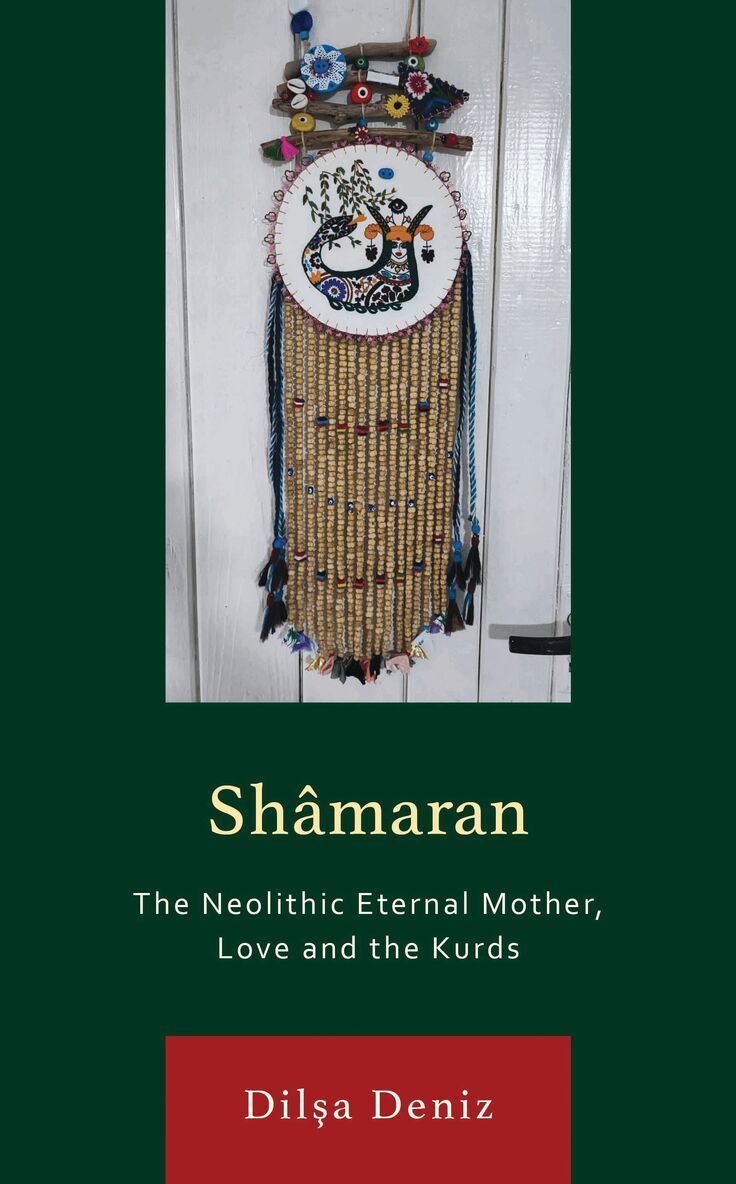
    Shâmaran: The Neolithic Eternal Mother, Love and the Kurds covers one of the earliest ancient figures of Mother Earth, Shâmaran, of the Zagros Mountains, which is at the crossroads of Iran, Anatolia, and Mesopotamia, and has historically been a melting pot of diverse groups, contributing to the formation of the Kurdish nation. This unique convergence has played a pivotal role in shaping the rich history, culture, language, and the very essence of their homeland, Kurdistan.Shâmaran is the significant religiocultural symbol, serving as a poignant embodiment of this heritage. The book meticulously documents, deconstructs and interprets Shâmaran's myth and her Neolithic image, recognizing their profound significance as manifestations of the Mother Earth Goddess.The study details the philosophy and symbolism of her faith, deciphers the content in the region within the existing pre-Islamic Kurdish religions namely Alevism, Yarsanism, and Êzidism and Kurdish culture as a whole.

    Produktinformation

    • Utgivningsdatum:2024-05-15
    • Mått:161 x 237 x 24 mm
    • Vikt:626 g
    • Format:Inbunden
    • Språk:Engelska
    • Serie:Kurdish Societies, Politics, and International Relations
    • Antal sidor:316
    • Förlag:Bloomsbury Publishing Plc
    • ISBN:9781498591256

    Utforska kategorier

    • Historia inom Historia och arkeologi
    • Internationella relationer inom Samhälle och politik
    • Religion: allmänt inom Filosofi och religion

    Mer om författaren

    Dilsa Deniz is Kurdish socio-cultural anthropologist with a specialization in Kurdish Alevism and Dersim, a pivotal center for Kurdish Alevism, Kurdish culture, indigeneity, and decolonization.

    Innehållsförteckning

    • IntroductionShâmaran: The Myth and The ImageChapter I. Decolonization of ShâmaranChapter II: Myths, History, Religion and Kurdish ContextChapter III :The Shâ: Mother Earth Goddess of Kurdistan Chapter IV: Deconstruction and Reconstruction: The Body and Content of Mother Earth Goddess of KurdistanChapter V: Shâmaran, Rêya Heqi /Kurdish Alevism, and Patriarchal ColonizationChapter VI: The Construction of Shaytan/Satan as an Ideological Instrument Conclusion