• Fri frakt över 249 kr
  • •
  • Snabba leveranser
  • •
  • Billiga böcker
Kundservice

Du är på sajten för privatpersoner.

Företag, bibliotek eller offentlig verksamhet?

Du handlar på classic.bokus.com, där alla dina funktioner finns intakta.
Till classic.bokus.com
Bokus logotyp. Gå till startsidan.
  • Erbjudanden
  • Nyheter
  • Student
  • Topplistor
  • Barn & ungdom
  • Bokus Play
  • E-böcker
  • Pocketböcker
  • Spel & pussel

10% rabatt på allt med kod NYSTART10 →

Sidfot

Mina sidor

    Hjälp

    • Kundservice
    • Vanliga frågor och svar
    • Frakt och leverans
    • Retur vid ångerrätt
    • Reklamera vara
    • Betalning
    • Köpvillkor
    • Allmänna villkor
    • Information om webbplatsens tillgänglighet

    Om Bokus

    • Om oss
    • Pressrum
    • För studenter
    • För företag
    • För bibliotek och offentlig verksamhet
    • För leverantörer
    • Hållbarhet

    Populärt

    • Aktuella erbjudanden
    • Presentkort
    • Studentlitteratur
    • Nya böcker
    • Topplistor
    • Signerade böcker
    • Engelska böcker

    Inspiration

    • Boktips
    • BookTok
    • Populära bokserier
    • Barnbokskaraktärer
    • Populära författare
    Logotyp för Bokus
    Följ oss på Facebook (extern länk)Följ oss på Instagram (extern länk)Följ oss på YouTube (extern länk)Följ oss på TikTok (extern länk)
    bokus @ CookiesAnpassa cookiesIntegritetspolicyKöpvillkor
    Till Citymail hemsida (extern länk)Till Budbee hemsida (extern länk)Till Postnord hemsida (extern länk)Till Schenker hemsida (extern länk)Till Early Bird hemsida (extern länk)Till Walleys hemsida (extern länk)
    1. Historia och arkeologi
    2. Historia
    3. Militärhistoria
    4. Andra världskriget

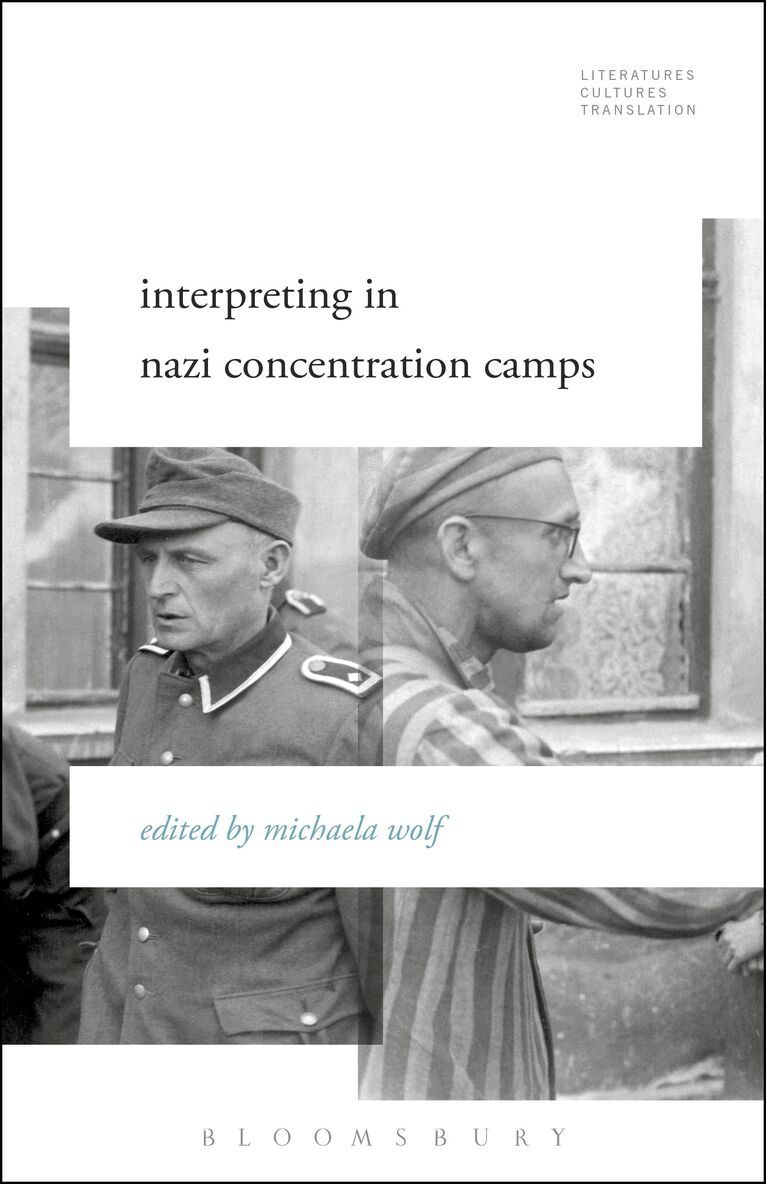
    Interpreting in Nazi Concentration Camps

    AvMichaela Wolf

    Inbunden, Engelska, 2016

    Del i serien Literatures, Cultures, Translation

    2 404 kr

    Beställningsvara. Skickas inom 10-15 vardagar. Fri frakt över 249 kr.

    Beskrivning

    This significant new study is concerned with the role of interpreting in Nazi concentration camps, where prisoners were of 30 to 40 different nationalities. With German as the only official language in the lager, communication was vital to the prisoners’ survival. While in the last few decades there has been extensive research on the language used by the camp inmates, investigation into the mediating role of interpreters between SS guards and prisoners on the one hand, and among inmates on the other, has been almost nonexistent.On the basis of Primo Levi’s considerations on communication in the Nazi concentrationary system, this book investigates the ambivalent role of interpreting in the camps. One of the central questions is what the role of interpreting was in the wider context of shaping life in concentration camps. And in what way did the knowledge of languages, and accordingly, certain communication skills, contribute to the survival of concentration camp inmates and of the interpreting person? The main sources under investigation are both archive materials and survivors’ memoirs and testimonials in various languages.On a different level, Interpreting in Nazi Concentration Camps also asks in what way the study of communication in concentration camps enhances our understanding of the ambiguous role of interpreting in more general terms. And in what way does the study of interpreting in concentration camps shape an interpreting concept which can help us to better understand the violent nature of interpreting in contexts other than the Holocaust?

    Produktinformation

    • Utgivningsdatum:2016-07-28
    • Mått:140 x 216 x 14 mm
    • Vikt:431 g
    • Format:Inbunden
    • Språk:Engelska
    • Serie:Literatures, Cultures, Translation
    • Antal sidor:248
    • Förlag:Bloomsbury Publishing Plc
    • ISBN:9781501313264

    Utforska kategorier

    • Andra världskriget inom Historia och arkeologi
    • Språkvetenskap och lingvistik inom Språk och ordböcker
    • Litteraturvetenskap inom Skönlitteratur

    Mer om författaren

    Michaela Wolf is Associate Professor in the Department of Translation Studies at the University of Graz, Austria. Having published extensively in translation studies, her previous books include Framing the Interpreter (with Anxo Fernández Ocampo, 2014) and The Habsburg Monarchy’s Many-Languaged Soul: Translating and Interpreting, 1848-1918 (2015). Between 2008-2012 she was co-editor of the journal Translation Studies (Routledge).

    Recensioner i media

    Interpreting in Nazi Concentration Camps is an outstanding contribution to the research of the role of interpreting and interpreters in situations of extreme violence. Based on a thorough examination of revealing primary sources... In sum, this book provides a much-needed study of the complex decisions interpreters have to make in situations of extreme pressure where survival is the ultimate—if not the only—concern.

    Innehållsförteckning

    • Contents List of FiguresNotes on ContributorsIntroduction Interpreting in Nazi Concentration Camps: Challenging the “Order of Terror”?Michaela Wolf, University of Graz, AustriaPART 1 The Concentration Camp UniverseChapter 1 The Camp Society: Approaches to Social Structure and Ordinary Life in Nazi Concentration CampsAlexander Prenninger, Ludwig Boltzmann Institute for Historical Social Research, AustriaChapter 2 Translanguagers and the Concentrationary UniverseDavid Gramling, University of Arizona, USAPART 2 Language Diversity in the CampsChapter 3 Linguistic Terror in Nazi Concentration Camps: Lucien and Gilbert – Portraits of Two “Interpreters”Heidi Aschenberg, University of Tübingen, GermanyChapter 4 Lagersprache through the Lens of Primo Levi’s Essay on Translation: “Tradurre ed essere tradotti”Zaia Alexander, Berlin, GermanyChapter 5 On Translating and Being TranslatedPrimo LeviPART 3 Interpreting in the CampsChapter 6 “Someone whispered the translation in 100 languages, like a Babel…”: Interpreting in the Mauthausen Concentration Camp Michaela Wolf, University of Graz, AustriaChapter 7 Interpreters in the Concentration Camp of Majdanek (1941–1944)Malgorzata Tryuk, University of Warsaw, PolandChapter 8 “Deaf Holocaust”: Deaf Jews and their “True” Communication in Nazi Concentration CampsMark Zaurov, University of Hamburg, GermanyPART 4 Translating the Legacy of the HolocaustChapter 9 “L’écrit reste. L’écrit est une trace, tandis que les paroles s’envolent”: On the Hermeneutics of Holocaust Survivor MemoirsPeter Kuon, University of Salzburg, AustriaChapter 10 The Ambiguous Task of the Interpreter in Lanzmann’s Films Shoah and Sobibor: Between the Director and the Survivors of the Camps and Ghettos Francine Kaufmann, Bar Ilan University, IsraelChapter 11 The Illusion of “Authenticity”: The Translation of Video Testimonies with Survivors of National Socialist Terror for Use in Educational WorkSylvia Degen, University of Aberystwyth, WalesPART 5 Limits of PermeabilityChapter 12 Interpreters in Soviet Prisoner-Of-War Camps: Beyond the “Unsayable”?Viktor Milosevic, University of Graz, AustriaChapter 13 Interpreting under Pressure: From Collaboration to ResistancePiotr Kuhiwczak, British Red CrossIndex