Michaela Wolf - Böcker
Visar alla böcker från författaren Michaela Wolf. Handla med fri frakt och snabb leverans.
4 produkter
4 produkter
2 366 kr
Skickas inom 10-15 vardagar
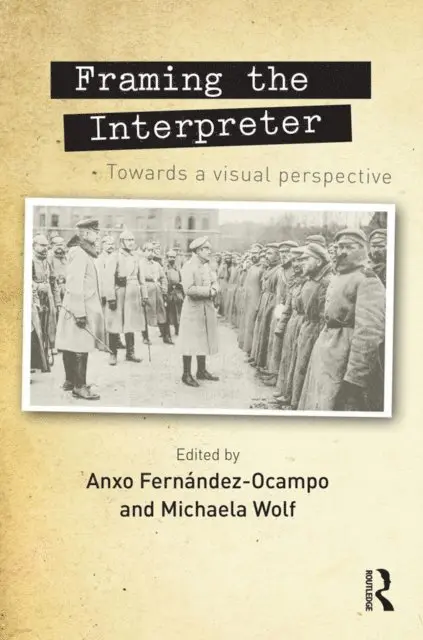
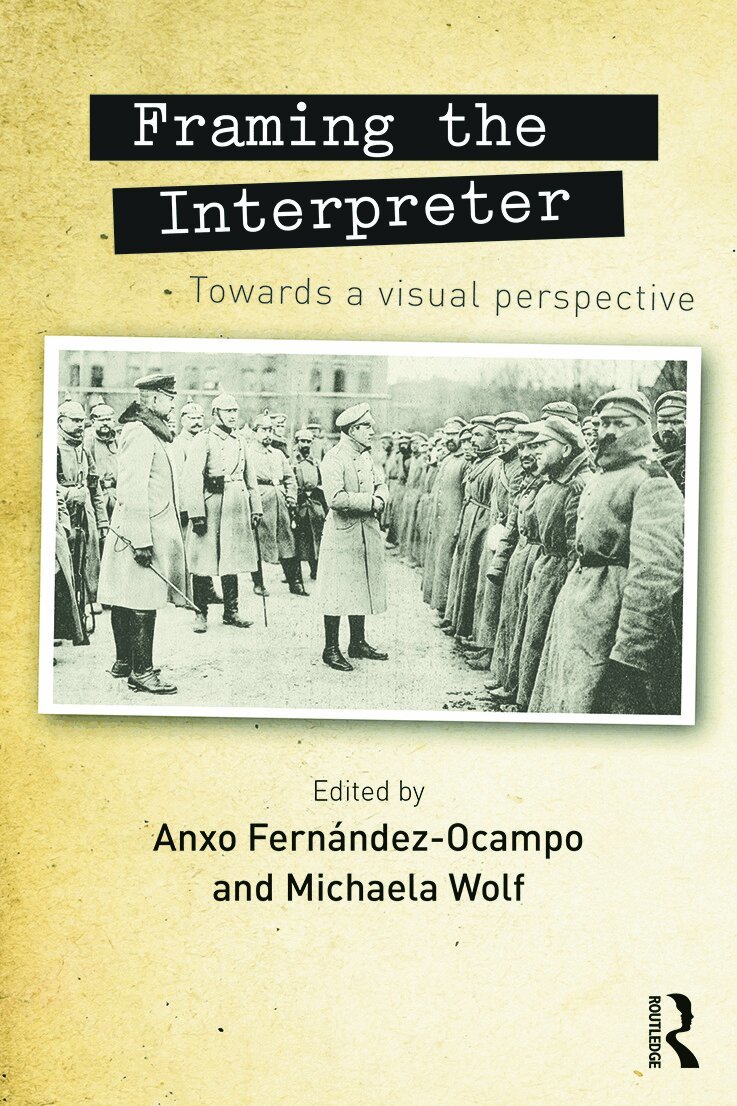
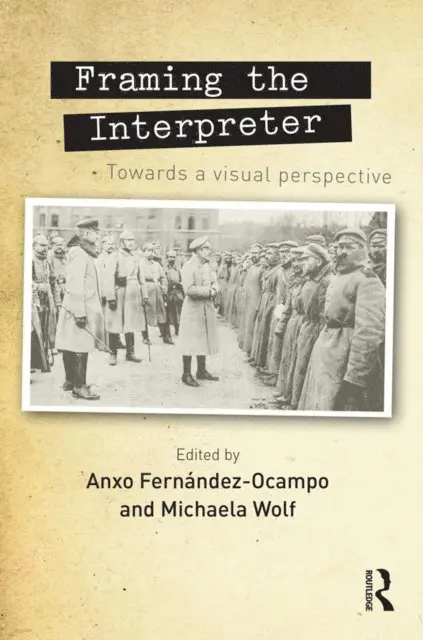
Situations of conflict offer special insights into the history of the interpreter figure, and specifically the part played in that history by photographic representations of interpreters. This book analyses photo postcards, snapshots and press photos from several historical periods of conflict, associated with different photographic technologies and habits of image consumption: the colonial period, the First and Second World War, and the Cold War. The book’s methodological approach to the "framing" of the interpreter uses tools taken primarily from visual anthropology, sociology and visual syntax to analyse the imagery of the modern era of interpreting. By means of these interpretative frames, the contributions suggest that each culture, subculture or social group constructed its own representation of the interpreter figure through photography. The volume breaks new ground for image-based research in translation studies by examining photographic representations that reveal the interpreter as a socially constructed category. It locates the interpreter’s mediating efforts at the core of the human sciences.This book will be of interest to researchers and advanced students in translation and interpreting studies, as well as to those working in visual studies, photography, anthropology and military/conflict studies.
816 kr
Skickas inom 10-15 vardagar
Situations of conflict offer special insights into the history of the interpreter figure, and specifically the part played in that history by photographic representations of interpreters. This book analyses photo postcards, snapshots and press photos from several historical periods of conflict, associated with different photographic technologies and habits of image consumption: the colonial period, the First and Second World War, and the Cold War. The book’s methodological approach to the "framing" of the interpreter uses tools taken primarily from visual anthropology, sociology and visual syntax to analyse the imagery of the modern era of interpreting. By means of these interpretative frames, the contributions suggest that each culture, subculture or social group constructed its own representation of the interpreter figure through photography. The volume breaks new ground for image-based research in translation studies by examining photographic representations that reveal the interpreter as a socially constructed category. It locates the interpreter’s mediating efforts at the core of the human sciences.This book will be of interest to researchers and advanced students in translation and interpreting studies, as well as to those working in visual studies, photography, anthropology and military/conflict studies.
561 kr
Skickas inom 10-15 vardagar
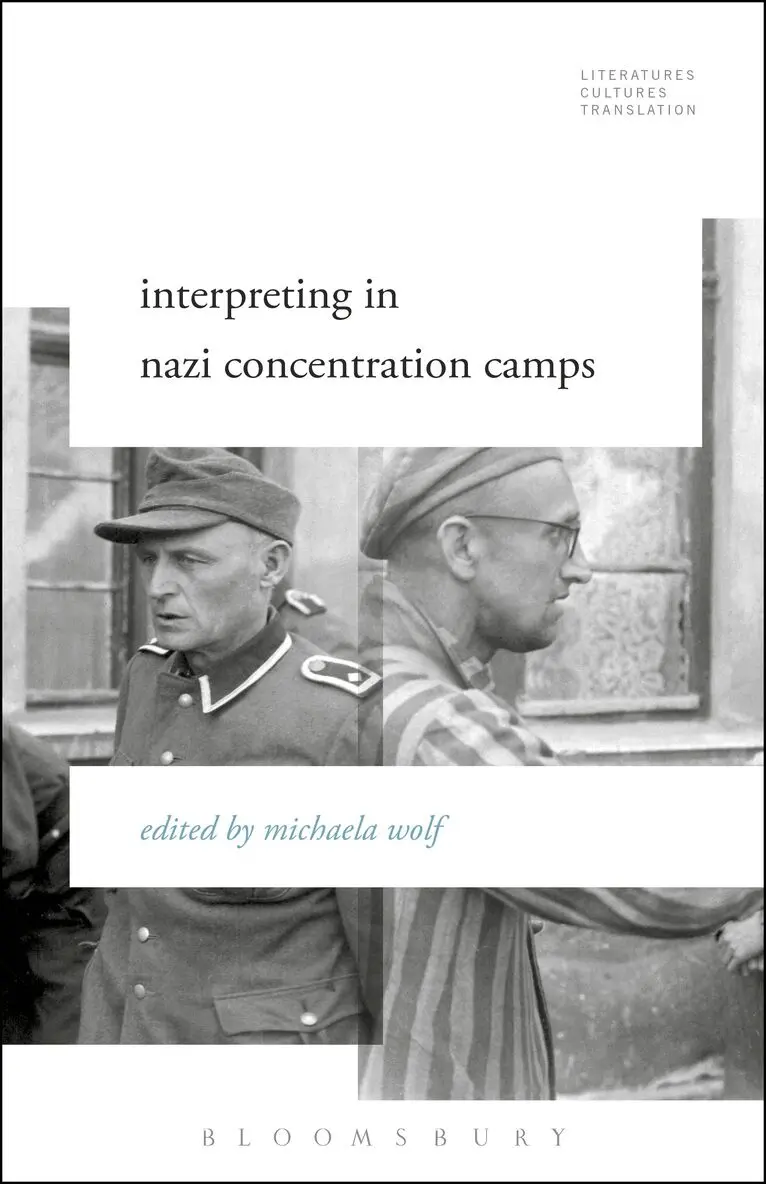
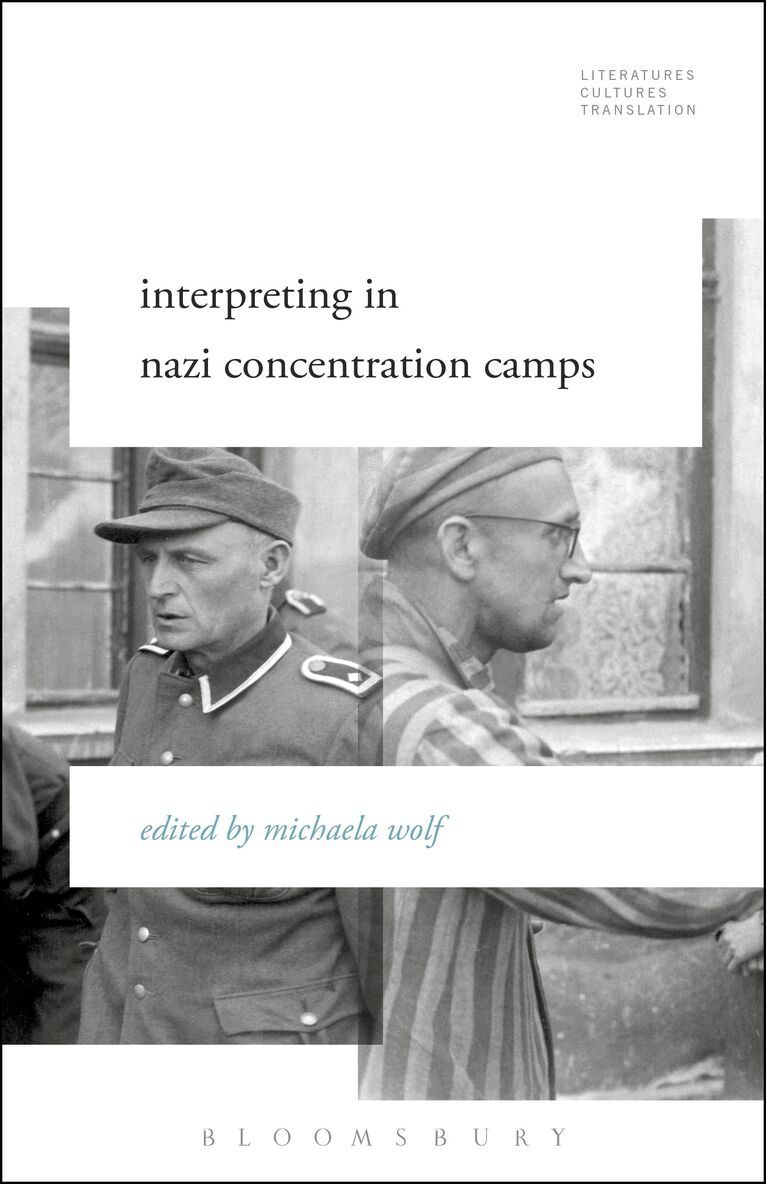
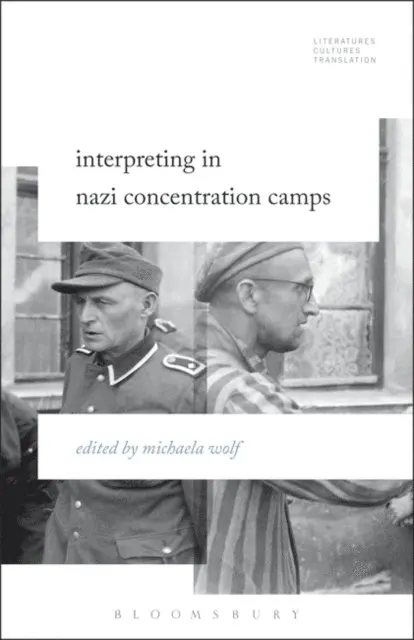
This significant new study is concerned with the role of interpreting in Nazi concentration camps, where prisoners were of 30 to 40 different nationalities. With German as the only official language in the lager, communication was vital to the prisoners’ survival. While in the last few decades there has been extensive research on the language used by the camp inmates, investigation into the mediating role of interpreters between SS guards and prisoners on the one hand, and among inmates on the other, has been almost nonexistent.On the basis of Primo Levi’s considerations on communication in the Nazi concentrationary system, this book investigates the ambivalent role of interpreting in the camps. One of the central questions is what the role of interpreting was in the wider context of shaping life in concentration camps. And in what way did the knowledge of languages, and accordingly, certain communication skills, contribute to the survival of concentration camp inmates and of the interpreting person? The main sources under investigation are both archive materials and survivors’ memoirs and testimonials in various languages.On a different level, Interpreting in Nazi Concentration Camps also asks in what way the study of communication in concentration camps enhances our understanding of the ambiguous role of interpreting in more general terms. And in what way does the study of interpreting in concentration camps shape an interpreting concept which can help us to better understand the violent nature of interpreting in contexts other than the Holocaust?
2 258 kr
Skickas inom 10-15 vardagar
This significant new study is concerned with the role of interpreting in Nazi concentration camps, where prisoners were of 30 to 40 different nationalities. With German as the only official language in the lager, communication was vital to the prisoners’ survival. While in the last few decades there has been extensive research on the language used by the camp inmates, investigation into the mediating role of interpreters between SS guards and prisoners on the one hand, and among inmates on the other, has been almost nonexistent.On the basis of Primo Levi’s considerations on communication in the Nazi concentrationary system, this book investigates the ambivalent role of interpreting in the camps. One of the central questions is what the role of interpreting was in the wider context of shaping life in concentration camps. And in what way did the knowledge of languages, and accordingly, certain communication skills, contribute to the survival of concentration camp inmates and of the interpreting person? The main sources under investigation are both archive materials and survivors’ memoirs and testimonials in various languages.On a different level, Interpreting in Nazi Concentration Camps also asks in what way the study of communication in concentration camps enhances our understanding of the ambiguous role of interpreting in more general terms. And in what way does the study of interpreting in concentration camps shape an interpreting concept which can help us to better understand the violent nature of interpreting in contexts other than the Holocaust?