• Fri frakt över 249 kr
  • •
  • Snabba leveranser
  • •
  • Billiga böcker
Kundservice

Du är på sajten för privatpersoner.

Företag, bibliotek eller offentlig verksamhet?

Du handlar på classic.bokus.com, där alla dina funktioner finns intakta.
Till classic.bokus.com
Bokus logotyp. Gå till startsidan.
  • Erbjudanden
  • Nyheter
  • Student
  • Topplistor
  • Barn & ungdom
  • Bokus Play
  • E-böcker
  • Pocketböcker
  • Spel & pussel

10% rabatt på allt med kod NYSTART10 →

Sidfot

Mina sidor

    Hjälp

    • Kundservice
    • Vanliga frågor och svar
    • Frakt och leverans
    • Retur vid ångerrätt
    • Reklamera vara
    • Betalning
    • Köpvillkor
    • Allmänna villkor
    • Information om webbplatsens tillgänglighet

    Om Bokus

    • Om oss
    • Pressrum
    • För studenter
    • För företag
    • För bibliotek och offentlig verksamhet
    • För leverantörer
    • Hållbarhet

    Populärt

    • Aktuella erbjudanden
    • Presentkort
    • Studentlitteratur
    • Nya böcker
    • Topplistor
    • Signerade böcker
    • Engelska böcker

    Inspiration

    • Boktips
    • BookTok
    • Populära bokserier
    • Barnbokskaraktärer
    • Populära författare
    Logotyp för Bokus
    Följ oss på Facebook (extern länk)Följ oss på Instagram (extern länk)Följ oss på YouTube (extern länk)Följ oss på TikTok (extern länk)
    bokus @ CookiesAnpassa cookiesIntegritetspolicyKöpvillkor
    Till Citymail hemsida (extern länk)Till Budbee hemsida (extern länk)Till Postnord hemsida (extern länk)Till Schenker hemsida (extern länk)Till Early Bird hemsida (extern länk)Till Walleys hemsida (extern länk)
    1. Historia och arkeologi
    2. Historia
    3. Historia: särskilda händelser och ämnen
    4. Socialhistoria och kulturhistoria

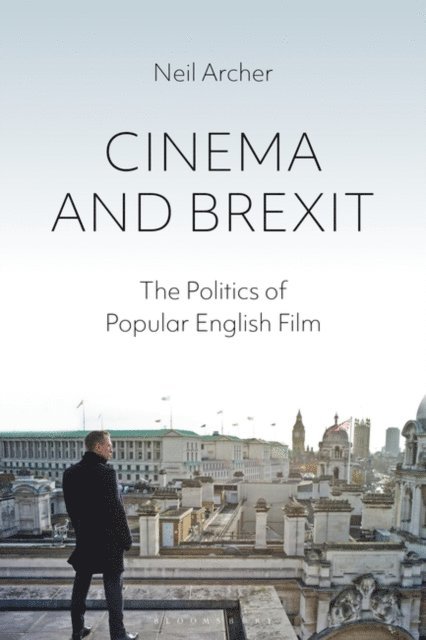
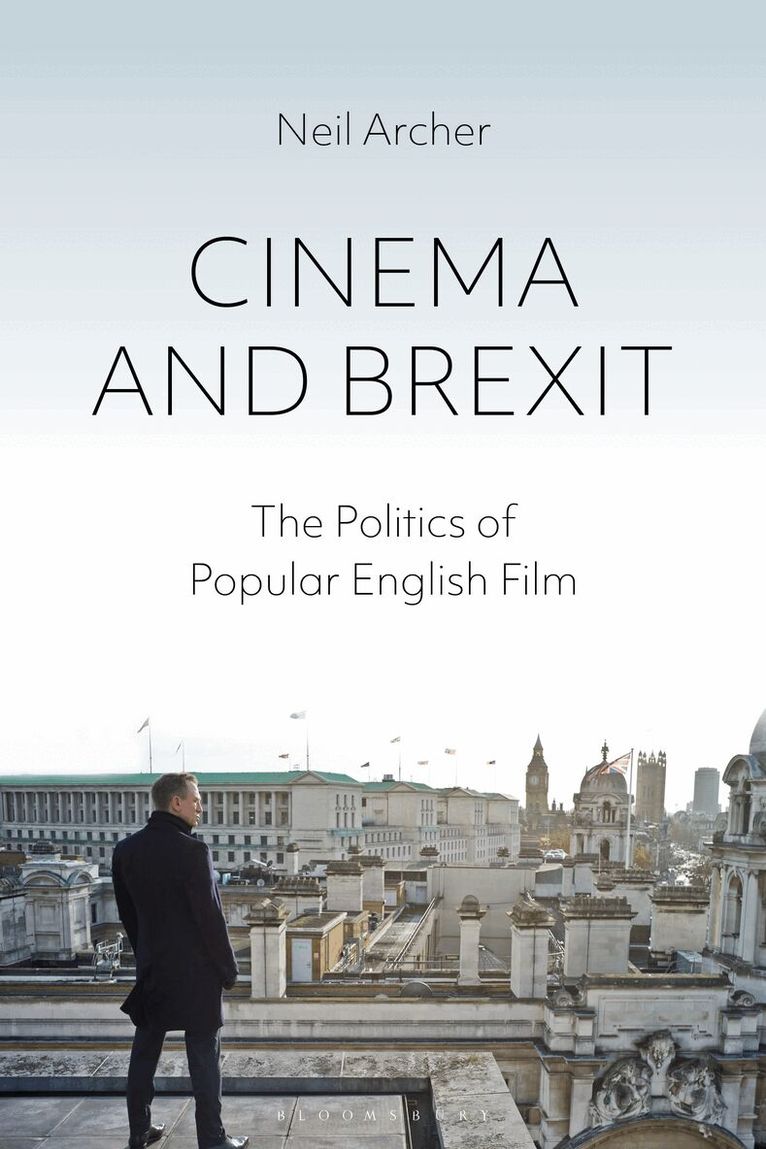
    Cinema and Brexit

    The Politics of Popular English Film

    AvNeil Archer

    Inbunden, Engelska, 2020

    Del i serien Cinema and Society

    1 581 kr

    Beställningsvara. Skickas inom 10-15 vardagar. Fri frakt över 249 kr.

    Fler format och utgåvor

    E-bok

    498 kr

    E-bok

    498 kr

    Häftad

    479 kr

    Beskrivning

    Neil Archer’s original study makes a timely and politically-engaged intervention in debates about national cinema and national identity. Structured around key examples of ‘culturally English cinema’ in the years up to and following the UK’s 2016 vote to leave the European Union, Cinema and Brexit looks to make sense of the peculiarities and paradoxes marking this era of filmmaking. At the same time as providing a contextual and analytical reading of 21st century filmmaking in Britain, Archer raises critical questions about popular national cinema, and how Brexit has cast both light and shadow over this body of films.Central to Archer’s argument is the idea that Brexit represents not just a critical moment in how we will understand future film production, but also in how we will understand production of the recent past. Using as a point of departure the London Olympics opening ceremony of 2012, Cinema and Brexit considers the tensions inherent in a wide range of films, including Skyfall (2012), Dunkirk (2017), Their Finest (2017), Darkest Hour (2017), The Crown (Netflix, 2016), Paddington (2014), Paddington 2 (2017), Never Let Me Go (2011), Absolutely Fabulous: The Movie (2016), The Trip (2010), The Inbetweeners Movie (2011), Mr. Bean’s Holiday (2007), The World’s End (2013), Sightseers (2012), One Day (2011), Attack the Block (2011), King Arthur: Legend of the Sword (2017) and The Kid Who Would be King (2019). Archer examines the complex national narratives and representations these films expound, situating his analyses within the broader commercial contexts of film production beyond Hollywood, highlighting the negotiations or contradictions at play between the industrial imperatives of contemporary films and the varied circumstances in which they are made. Considering some of the ways a popular and globally-minded English cinema is finding means to work alongside and through the contexts of Brexit, he questions what are the stakes for, and possibilities of, a global ‘culturally English cinema’ in 2019 and beyond.

    Produktinformation

    • Utgivningsdatum:2020-09-03
    • Mått:156 x 234 x 23 mm
    • Vikt:599 g
    • Format:Inbunden
    • Språk:Engelska
    • Serie:Cinema and Society
    • Antal sidor:304
    • Förlag:Bloomsbury Publishing Plc
    • ISBN:9781501351334

    Utforska kategorier

    • Socialhistoria och kulturhistoria inom Historia och arkeologi
    • Media och underhållning inom Ekonomi och Ledarskap
    • Film inom Kultur

    Mer om författaren

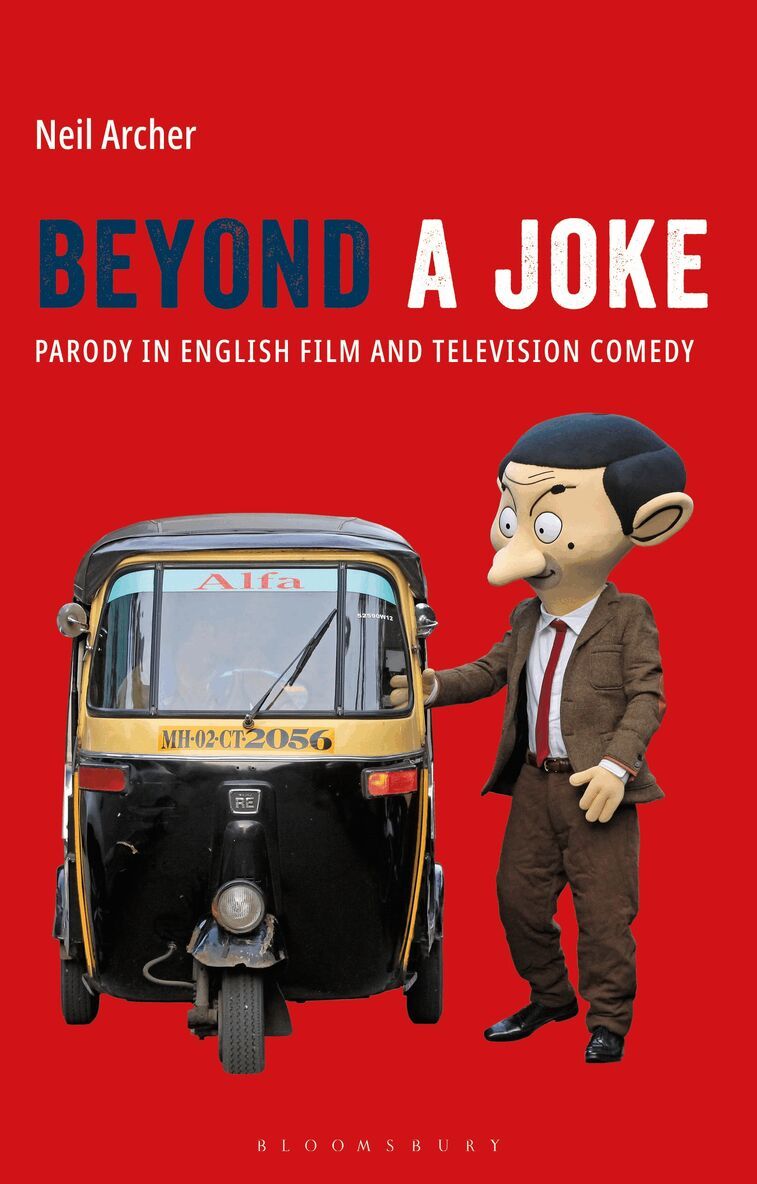
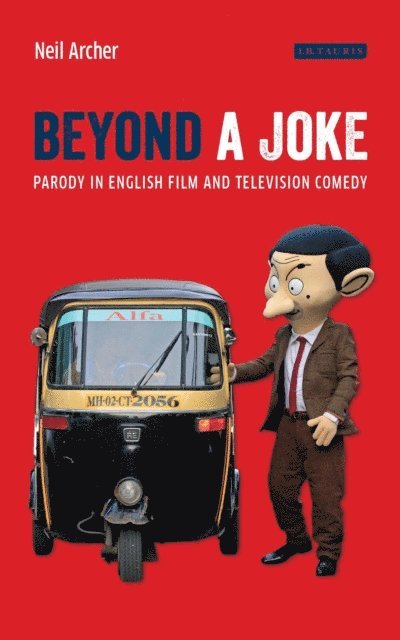
    Neil Archer is Lecturer in Film Studies at Keele University, UK. He is the author of Beyond a Joke: Parody in English Film and Television Comedy (I.B. Tauris, 2017); The Road Movie: In Search of Meaning (2016); Hot Fuzz (2015); The French Road Movie: Space, Mobility, Identity (2013); The Bourne Ultimatum (2012) and Adaptation: Studies in French and Francophone Culture, co-edited with Andreea Weisl-Shaw (2011).

    Recensioner i media

    Through perceptive and nuanced analyses of a refreshingly wide and varied range of British films which, ostensibly, have nothing to do with Brexit, Neil Archer shows how certain forms of popular British cinema have worked to produce an historical imaginary of Britishness (and, in particular, Englishness) that embodies so many of the same cultural assumptions that led to Brexit. An extremely timely book, but also one which deserves a long life on British cinema bookshelves.

    Innehållsförteckning

    • List of illustrationsAcknowledgementsGeneral Editor’s IntroductionIntroduction: Film through the looking glass1Film politics: Brexit, brand Britain and soft power2Comedians and sunscreen: The English holiday film and the idea of Europe3‘Not to Yield’: Globalization, nation and the epic imagination of English cinema4Genius of Britain: The English scientist film and other science fictions5Through a screen, darkly: Austerity genres, Brexit topographies and the precarity of national cinema6Just follow the bear? StudioCanal, transnational franchises and a European English cinemaConclusion: Longing for yesterday?NotesBibliographyIndex