• Fri frakt över 249 kr
  • •
  • Snabba leveranser
  • •
  • Billiga böcker
Kundservice

Du är på sajten för privatpersoner.

Företag, bibliotek eller offentlig verksamhet?

Du handlar på classic.bokus.com, där alla dina funktioner finns intakta.
Till classic.bokus.com
Bokus logotyp. Gå till startsidan.
  • Erbjudanden
  • Nyheter
  • Student
  • Topplistor
  • Barn & ungdom
  • Bokus Play
  • E-böcker
  • Pocketböcker
  • Spel & pussel

10% studentrabatt med kod TERM26

Sidfot

Mina sidor

    Hjälp

    • Kundservice
    • Vanliga frågor och svar
    • Frakt och leverans
    • Retur vid ångerrätt
    • Reklamera vara
    • Betalning
    • Köpvillkor
    • Allmänna villkor
    • Information om webbplatsens tillgänglighet

    Om Bokus

    • Om oss
    • Pressrum
    • För studenter
    • För företag
    • För bibliotek och offentlig verksamhet
    • För leverantörer
    • Hållbarhet

    Populärt

    • Aktuella erbjudanden
    • Presentkort
    • Studentlitteratur
    • Nya böcker
    • Topplistor
    • Signerade böcker
    • Engelska böcker

    Inspiration

    • Boktips
    • BookTok
    • Populära bokserier
    • Barnbokskaraktärer
    • Populära författare
    Logotyp för Bokus
    Följ oss på Facebook (extern länk)Följ oss på Instagram (extern länk)Följ oss på YouTube (extern länk)Följ oss på TikTok (extern länk)
    bokus @ CookiesAnpassa cookiesIntegritetspolicyKöpvillkor
    Till Citymail hemsida (extern länk)Till Budbee hemsida (extern länk)Till Postnord hemsida (extern länk)Till Schenker hemsida (extern länk)Till Early Bird hemsida (extern länk)Till Walleys hemsida (extern länk)
    1. Samhälle och politik
    2. Sociologi och antropologi
    3. Sociologi

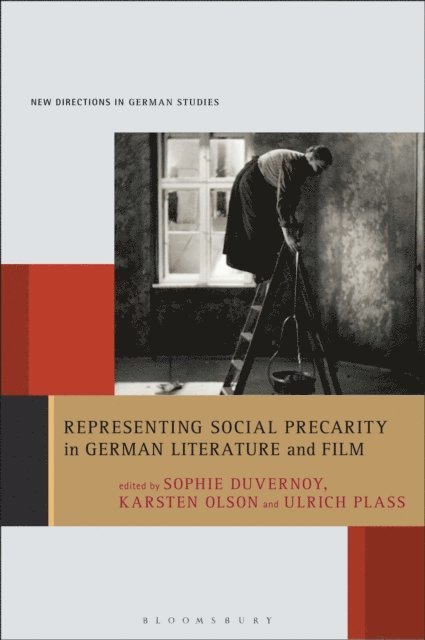
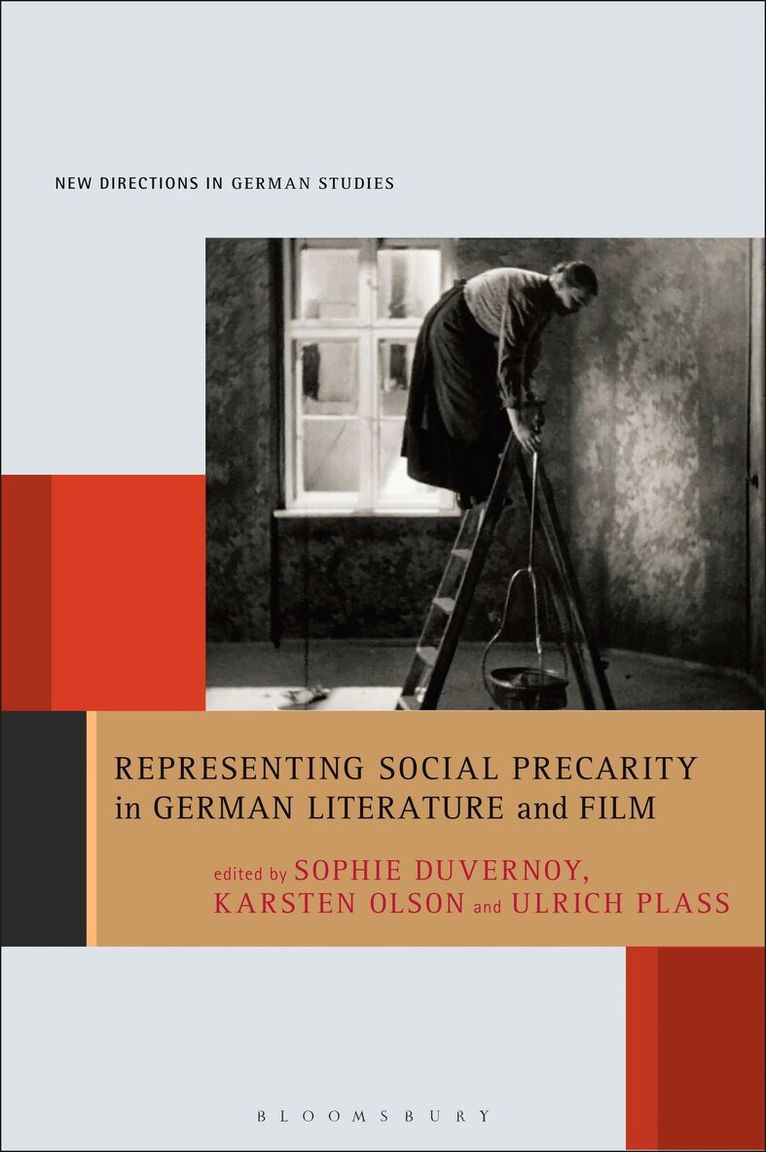
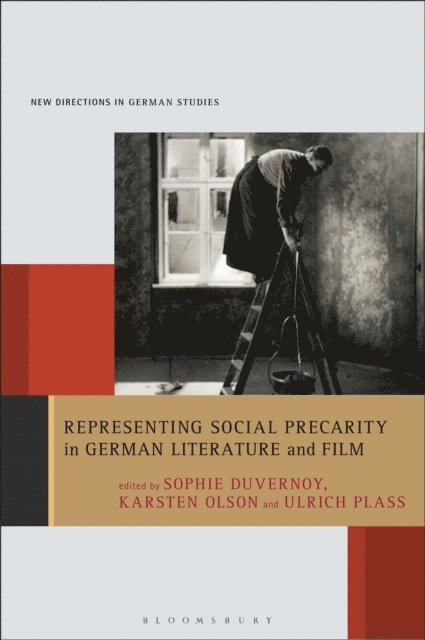
    Representing Social Precarity in German Literature and Film

    AvSophie Duvernoy,Karsten Olson

    Inbunden, Engelska, 2023

    Del i serien New Directions in German Studies

    1 525 kr

    Beställningsvara. Skickas inom 10-15 vardagar. Fri frakt över 249 kr.
    Beskrivning

    Using Germany as a national case study, this volume examines the historical genesis of precarity, its evolution from 19th-century industrial modernity to the present, and its reflections and reconfigurations in artistic production, in particular with relation to work, gender, and sexuality.“Precarity is everywhere now,” sociologist Pierre Bourdieu declared almost thirty years ago. Not only declining middle-class standards of living, but also debt, drug addiction, housing and food insecurity, depression, and “deaths of despair” are now being recognized as symptoms of the downward pull of social precarity. Although these and similar ills have been attributed to neoliberal policies of deregulation, privatization, and willful neglect of the common good, precarization has accompanied the booms and busts of industrial modernity from its beginnings. Representing Social Precarity in German Literature and Film explores how German and Austrian literature, film, and social history have engaged with social precarity, from the period of Romanticism and early industrialization to the present. The chapters in this volume deal with precarity as both an objective phenomenon reflected in literary and filmic representations and as a subjective phenomenon that gives these representations their particular shape. Representing Social Precarity in German Literature and Film opens new critical perspectives on diverse forms of lived precarity and their creative manifestations by reflecting on the history of capitalist modernity from the vantage points of weakness, vulnerability, marginality, impoverishment, and otherness.

    Produktinformation

    • Utgivningsdatum:2023-11-02
    • Mått:146 x 218 x 26 mm
    • Vikt:560 g
    • Format:Inbunden
    • Språk:Engelska
    • Serie:New Directions in German Studies
    • Antal sidor:352
    • Förlag:Bloomsbury Publishing Plc
    • ISBN:9781501391477

    Utforska kategorier

    • Sociologi inom Samhälle och politik
    • Sociala grupper och identitet inom Samhälle och politik
    • Litteraturvetenskap inom Skönlitteratur

    Mer om författaren

    Sophie Duvernoy holds a PhD in German from Yale University, USA, and is a translator in Berlin, Germany.Karsten Olson is Lecturer of German Studies at the University of North Carolina Asheville, USA. Ulrich Plass is Professor of Letters and German Studies at Wesleyan University, USA.

    Recensioner i media

    In this groundbreaking interdisciplinary volume, the editors and contributors shed new light on contemporary precarity by tracing its evolution from the beginning of industrialization. The book stands out for its focus on theories and aesthetic practices of resistance, from Romantic anti-capitalism through Weimar-era queer autobiography up to East German documentaries and contemporary literature and film, and it makes significant contributions to our understanding of precarity and its representations.

    Innehållsförteckning

    • List of FIguresList of TablesNotes on ContributorsIntroduction(Ulrich Plass, Wesleyan University, USA)1. Literature and the History of Precarity: Interview with Patrick Eiden-Offe (ZfL Berlin)(Karsten Olson, University of North Carolina, Asheville, USA)2. Precarious Property: Adam Müller’s Theory of Poetic Possession (Jörg Kreienbrock, Northwestern University, USA)3. Die Judenbuche and the Rights of the Poor(Karsten Olson, University of North Carolina, Asheville, USA)4. We Poor People: The Personal Experience of Precariousness in Dantons Tod and Woyzeck(Michael Swellander, University of Iowa, USA)5. Hilfe von Mensch zu Mensch: Social Precarity and the Elberfeld System (Rebekah O. McMillan, Angelo State University, USA)6. Precarity and Form: Lu Märten’s Intervention in the Worker’s Autobiography (Mari Jarris, Princeton University, USA)7. In Search of a Divine Calling, or Lunch: Unproductive Labor in Emmy Hennings’ Das Brandmal (Sophie Duvernoy, Yale University, USA)8. Typists as ‘billige Ware’: White-Collar Women’s Work in Weimar Literature (Mary Hennessy, University of Wisconsin-Madison, USA)9. Unemployment, Organization, and Reproductive Self-Determination in Kuhle Wampe (Ulrich Plass, Wesleyan University, USA)10. "Hidden Stockpiles of Words and Images": An Interview with Thomas Heise (Matthias Rothe, University of Minnesota, Twin Cities, USA)11. Biopolitics and Superstition in Barbara Albert’s Böse Zellen (Lena Trüper, UCLA, USA)12. Precarious Lives and Social Decline in Marlene Streeruwitz’ Jessica, 30. and Kristine Bilkaus Die Glücklichen (Lisa Wille, Technische Universität Darmstadt, Germany)13. Linguistic Precarity in Contemporary German Film (Lindsay Preseau, University of Cincinnati, USA)Index