• Fri frakt över 249 kr
  • •
  • Snabba leveranser
  • •
  • Billiga böcker
Kundservice

Du är på sajten för privatpersoner.

Företag, bibliotek eller offentlig verksamhet?

Du handlar på classic.bokus.com, där alla dina funktioner finns intakta.
Till classic.bokus.com
Bokus logotyp. Gå till startsidan.
  • Erbjudanden
  • Nyheter
  • Student
  • Topplistor
  • Barn & ungdom
  • Bokus Play
  • E-böcker
  • Pocketböcker
  • Spel & pussel

10% rabatt på allt med kod NYSTART10 →

Sidfot

Mina sidor

    Hjälp

    • Kundservice
    • Vanliga frågor och svar
    • Frakt och leverans
    • Retur vid ångerrätt
    • Reklamera vara
    • Betalning
    • Köpvillkor
    • Allmänna villkor
    • Information om webbplatsens tillgänglighet

    Om Bokus

    • Om oss
    • Pressrum
    • För studenter
    • För företag
    • För bibliotek och offentlig verksamhet
    • För leverantörer
    • Hållbarhet

    Populärt

    • Aktuella erbjudanden
    • Presentkort
    • Studentlitteratur
    • Nya böcker
    • Topplistor
    • Signerade böcker
    • Engelska böcker

    Inspiration

    • Boktips
    • BookTok
    • Populära bokserier
    • Barnbokskaraktärer
    • Populära författare
    Logotyp för Bokus
    Följ oss på Facebook (extern länk)Följ oss på Instagram (extern länk)Följ oss på YouTube (extern länk)Följ oss på TikTok (extern länk)
    bokus @ CookiesAnpassa cookiesIntegritetspolicyKöpvillkor
    Till Citymail hemsida (extern länk)Till Budbee hemsida (extern länk)Till Postnord hemsida (extern länk)Till Schenker hemsida (extern länk)Till Early Bird hemsida (extern länk)Till Walleys hemsida (extern länk)
    1. Samhälle och politik
    2. Samhälle och kultur
    3. Kultur och medier
    4. Referensverk och tvärvetenskap

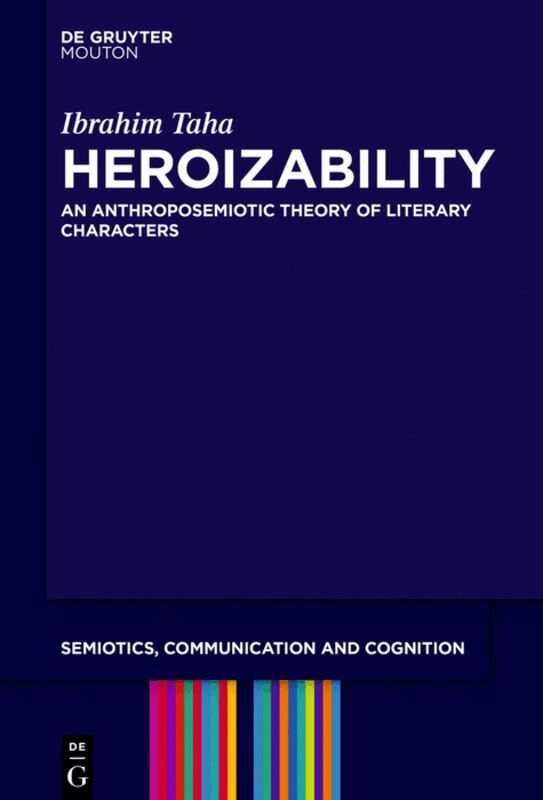
    Heroizability

    An Anthroposemiotic Theory of Literary Characters

    AvIbrahim Taha

    Inbunden, Engelska, 2015

    Del i serien Semiotics, Communication and Cognition [SCC]

    1 995 kr

    Beställningsvara. Skickas inom 5-8 vardagar. Fri frakt över 249 kr.

    Fler format och utgåvor

    E-bok

    1 951 kr

    E-bok

    2 022 kr

    Beskrivning

    It is commonly believed that some approaches of structural semiotics, narratology and cognitive science have not yet succeeded in constructing a complete and coherent theory of literary character. The author argues that the primary explanation of the failure is the artificial separation between characters and their actions. One of the chief implications of such separation is treating characters in terms of structures, agents, actants, functions, roles, and signs, which obviously mean that actions can hardly be explained as intended, motivated, performed and experienced. Survival, as a motivation-based concept, is one of the key concepts making the separation between character and action something impossible. Humans in literary narratives search for survival as an aware process of knowing and meaning making. Meaning in literary narratives can be produced by heroizability, which treats literary characters as living anthroposemiotic entities aware of their natural motivation to achieve in order to survive and produce meanings of their survival. As such, characters in literary narratives have active cognitions, and their cognitive activities remain meaningless without a process of semiosis. Applying Anthroposemiotic theory with Modeling System Theory, heroizability provides methodical tools to explain how the narrative text is represented and, thus, how it is to be interpreted properly by the reader not only to find, but also to make meaning in narrative world.

    Produktinformation

    • Utgivningsdatum:2015-06-26
    • Mått:155 x 230 x 19 mm
    • Vikt:467 g
    • Format:Inbunden
    • Språk:Engelska
    • Serie:Semiotics, Communication and Cognition [SCC]
    • Antal sidor:244
    • Upplaga:15001
    • Förlag:De Gruyter
    • ISBN:9781501510816

    Utforska kategorier

    • Referensverk och tvärvetenskap inom Samhälle och politik
    • Språkvetenskap och lingvistik inom Språk och ordböcker
    • Litteraturvetenskap inom Skönlitteratur

    Mer om författaren

    Ibrahim Taha, University of Haifa, Israel.