• Fri frakt över 249 kr
  • •
  • Snabba leveranser
  • •
  • Billiga böcker
Kundservice

Du är på sajten för privatpersoner.

Företag, bibliotek eller offentlig verksamhet?

Du handlar på classic.bokus.com, där alla dina funktioner finns intakta.
Till classic.bokus.com
Bokus logotyp. Gå till startsidan.
  • Erbjudanden
  • Nyheter
  • Student
  • Topplistor
  • Barn & ungdom
  • Bokus Play
  • E-böcker
  • Pocketböcker
  • Spel & pussel

10% rabatt på allt med kod NYSTART10 →

Sidfot

Mina sidor

    Hjälp

    • Kundservice
    • Vanliga frågor och svar
    • Frakt och leverans
    • Retur vid ångerrätt
    • Reklamera vara
    • Betalning
    • Köpvillkor
    • Allmänna villkor
    • Information om webbplatsens tillgänglighet

    Om Bokus

    • Om oss
    • Pressrum
    • För studenter
    • För företag
    • För bibliotek och offentlig verksamhet
    • För leverantörer
    • Hållbarhet

    Populärt

    • Aktuella erbjudanden
    • Presentkort
    • Studentlitteratur
    • Nya böcker
    • Topplistor
    • Signerade böcker
    • Engelska böcker

    Inspiration

    • Boktips
    • BookTok
    • Populära bokserier
    • Barnbokskaraktärer
    • Populära författare
    Logotyp för Bokus
    Följ oss på Facebook (extern länk)Följ oss på Instagram (extern länk)Följ oss på YouTube (extern länk)Följ oss på TikTok (extern länk)
    bokus @ CookiesAnpassa cookiesIntegritetspolicyKöpvillkor
    Till Citymail hemsida (extern länk)Till Budbee hemsida (extern länk)Till Postnord hemsida (extern länk)Till Schenker hemsida (extern länk)Till Early Bird hemsida (extern länk)Till Walleys hemsida (extern länk)
    1. Historia och arkeologi
    2. Historia
    3. Historia: särskilda händelser och ämnen
    4. Socialhistoria och kulturhistoria

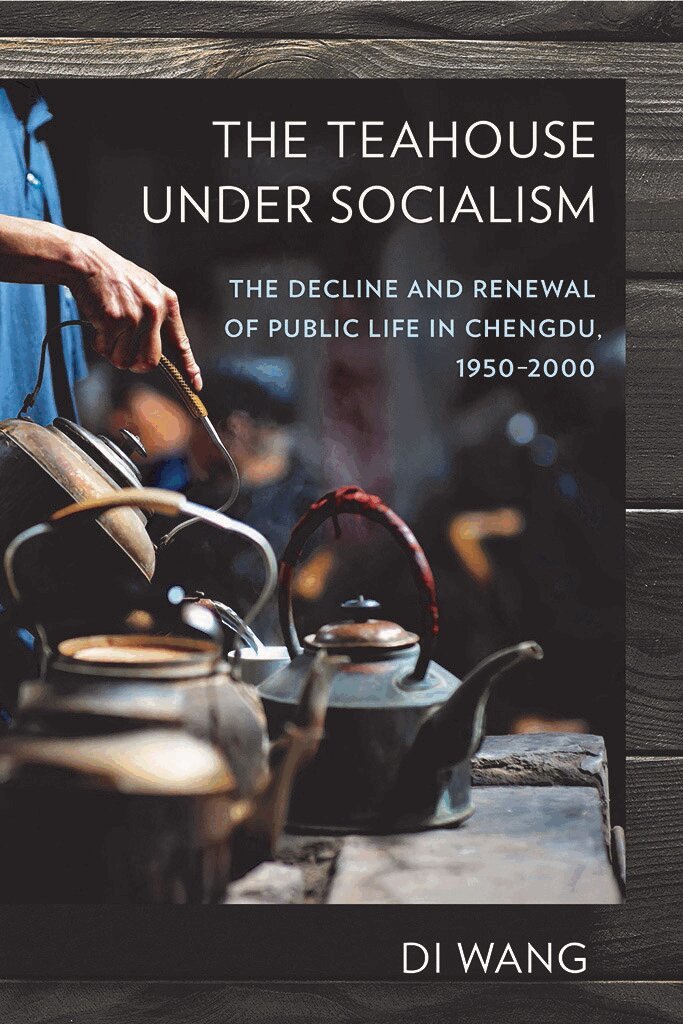
    Teahouse Under Socialism

    The Decline and Renewal of Public Life in Chengdu, 1950–2000

    AvDi Wang

    Inbunden, Engelska, 2018

    1 667 kr

    Beställningsvara. Skickas inom 10-15 vardagar. Fri frakt över 249 kr.

    Fler format och utgåvor

    Häftad

    336 kr

    Beskrivning

    To understand a city fully, writes Di Wang, we must observe its most basic units of social life. In The Teahouse under Socialism, Wang does just that, arguing that the teahouses of Chengdu, the capital of Sichuan Province, are some of the most important public spaces—perfect sites for examining the social and economic activities of everyday Chinese.Wang looks at the transformation of these teahouses from private businesses to collective ownership and how state policy and the proprietors' response to it changed the overall economic and social structure of the city. He uses this transformation to illuminate broader trends in China's urban public life from 1950 through the end of the Cultural Revolution and into the post-Mao reform era. In doing so, The Teahouse under Socialism charts the fluctuations in fortune of this ancient cultural institution and analyzes how it survived, and even thrived, under bleak conditions.Throughout, Wang asks such questions as: Why and how did state power intervene in the operation of small businesses? How was "socialist entertainment" established in a local society? How did the well-known waves of political contestation and struggle in China change Chengdu's teahouses and public life? In the end, Wang argues, the answers to such questions enhance our understanding of public life and political culture in the Communist state.

    Produktinformation

    • Utgivningsdatum:2018-06-15
    • Mått:152 x 229 x 28 mm
    • Vikt:907 g
    • Format:Inbunden
    • Språk:Engelska
    • Antal sidor:330
    • Förlag:Cornell University Press
    • ISBN:9781501715488
    • Utmärkelser:Joint winner of Award for Best Book in Non-North American Urban History 2019 (United States)

    Utforska kategorier

    • Socialhistoria och kulturhistoria inom Historia och arkeologi
    • Sociala grupper och identitet inom Samhälle och politik
    • Socialism och vänsterideologier inom Samhälle och politik

    Mer om författaren

    Di Wang is Distinguished Professor and Head of the Department of History, University of Macau. Among his many books are The Teahouse: Small Business, Everyday Culture, and Public Politics in Chengdu, 1900-1950 and Street Culture in Chengdu: Public Space, Urban Commoners, and Local Politics, 1870-1930.

    Recensioner i media

    Written in plain language, this book is easily accessible to non-professionals interested in Chinese urban culture. Meticulously researched, it also offers new material and insights to scholars in modern Chinese history, urban studies, cultural anthropology, and the sociology of leisure.(Journal of Interdisciplinary History) This book is clearly indispensable reading for anyone interested in modern Chinese social history, but given its accessibility and entertaining narrative style it will appeal to a general audience with concerns about the ways in which urban public space enhances everyday social and cultural experience.(China Review International) The Teahouse Under Socialism is a captivating account of the way in which broad political changes are manifested in small urban spaces. [A] deeply-researched and trans-disciplinary study, [it] makes a valuable contribution not only to Chinese and global urban history but to our understanding of civil society and the public sphere in non-Western contexts.(awards citation from Urban History Association, co-winner of Best Book in Non-North American History, 2017-2018) Anyone who studies or is interested in PRC history or modern Chinese society should not miss the chance to read this book.(China Review) The Teahouse under Socialism is essential reading for anyone who wants to understand political and cultural change in Mao-era and post-Mao China.(History Reviews of New Books)

    Innehållsförteckning

    • Introduction: Urban Political Transitions under SocialismPart I. The Decline of Public Life, 1950–1976 1. The Demise of the Chengdu Teahouse Guild and the Fall of Small Business 2. State Control and the Rise of Socialist Entertainment3. The Decline of Public Life under Mao's Rule Part II. The Return of Public Life, 1977–2000 4. The Resurgence of Teahouses in the Reform Era5. Urban Residents and Migrant Workers in Public Life 6. The Power of Mahjong Conclusion: The State, the Teahouse, and the Public Sphere