• Fri frakt över 249 kr
  • •
  • Snabba leveranser
  • •
  • Billiga böcker
Kundservice

Du är på sajten för privatpersoner.

Företag, bibliotek eller offentlig verksamhet?

Du handlar på classic.bokus.com, där alla dina funktioner finns intakta.
Till classic.bokus.com
Bokus logotyp. Gå till startsidan.
  • Erbjudanden
  • Nyheter
  • Student
  • Topplistor
  • Barn & ungdom
  • Bokus Play
  • E-böcker
  • Pocketböcker
  • Spel & pussel

10% rabatt på allt med kod: NYSTART10 →

Sidfot

Mina sidor

    Hjälp

    • Kundservice
    • Vanliga frågor och svar
    • Frakt och leverans
    • Retur vid ångerrätt
    • Reklamera vara
    • Betalning
    • Köpvillkor
    • Allmänna villkor
    • Information om webbplatsens tillgänglighet

    Om Bokus

    • Om oss
    • Pressrum
    • För studenter
    • För företag
    • För bibliotek och offentlig verksamhet
    • För leverantörer
    • Hållbarhet

    Populärt

    • Aktuella erbjudanden
    • Presentkort
    • Studentlitteratur
    • Nya böcker
    • Topplistor
    • Signerade böcker
    • Engelska böcker

    Inspiration

    • Boktips
    • BookTok
    • Populära bokserier
    • Barnbokskaraktärer
    • Populära författare
    Logotyp för Bokus
    Följ oss på Facebook (extern länk)Följ oss på Instagram (extern länk)Följ oss på YouTube (extern länk)Följ oss på TikTok (extern länk)
    bokus @ CookiesAnpassa cookiesIntegritetspolicyKöpvillkor
    Till Citymail hemsida (extern länk)Till Budbee hemsida (extern länk)Till Postnord hemsida (extern länk)Till Schenker hemsida (extern länk)Till Early Bird hemsida (extern länk)Till Walleys hemsida (extern länk)
    1. Samhälle och politik
    2. Samhälle och kultur
    3. Kultur och medier
    4. Referensverk och tvärvetenskap

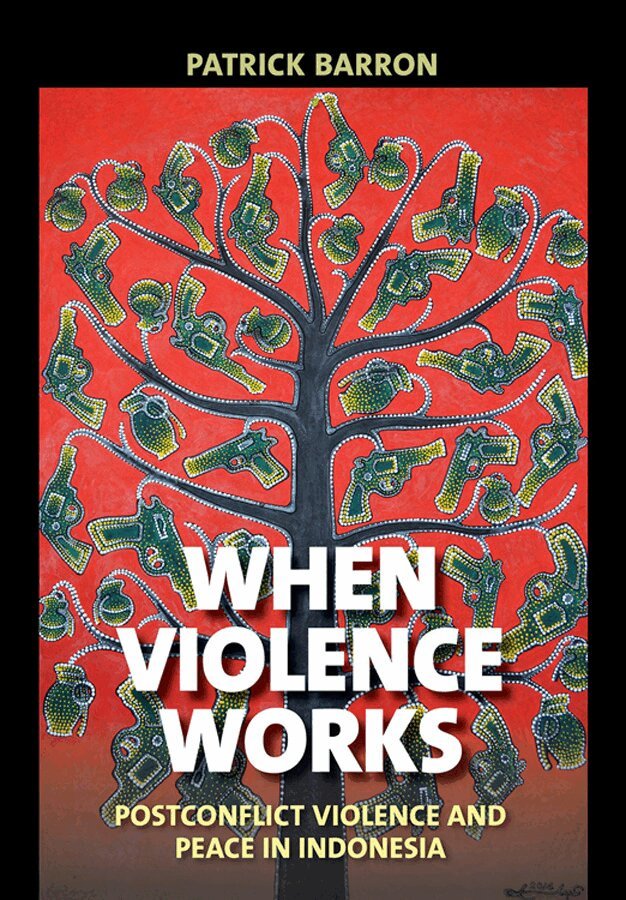
    When Violence Works

    Postconflict Violence and Peace in Indonesia

    AvPatrick Barron

    Inbunden, Engelska, 2019

    701 kr

    Beställningsvara. Skickas inom 10-15 vardagar. Fri frakt över 249 kr.

    Beskrivning

    Why are some places successful in moving from war to consolidated peace while others continue to be troubled by violence? And why does postconflict violence take different forms and have different intensities? By developing a new theory of postconflict violence Patrick Barron's When Violence Works makes a significant contribution to our understanding. Barron picks out three postconflict regions in Indonesia in which to analyze what happens once the "official" fighting ends: North Maluku has seen peace consolidated; Maluku still witnesses large episodes of violence; and Aceh experiences continuing occurrences of violence but on a smaller scale than in Maluku. He argues that violence after war has ended (revenge killings, sexual violence, gang battles, and violent crime, in addition to overtly political conflict) is not the result of failed elite bargains or weak states, but occurs because the actors involved see it as beneficial and lowcost. His findings pertain directly to Indonesia, but the theory will have relevance far beyond as those studying countries such as Colombia, the Philippines, Iraq, Afghanistan, and Syria seek a framework in which to assess what happens after war ends. Barron's theory also provides practical guidance for policymakers and development practitioners. Ultimately, When Violence Works pushes forward our understanding of why postconflict violence occurs and takes the forms it does.

    Produktinformation

    • Utgivningsdatum:2019-04-15
    • Mått:152 x 229 x 27 mm
    • Vikt:907 g
    • Format:Inbunden
    • Språk:Engelska
    • Antal sidor:300
    • Förlag:Cornell University Press
    • ISBN:9781501735448

    Utforska kategorier

    • Referensverk och tvärvetenskap inom Samhälle och politik
    • Våld och övergrepp inom Samhälle och politik

    Mer om författaren

    Patrick Barron is Regional Advisor for the World Bank. He previously served as Regional Director at The Asia Foundation and led the World Bank's conflict programming in Indonesia for seven years. He is coauthor of the award-winning Contesting Development and has written for World Development, Journal of Political Economy, and Journal of East Asian Studies.

    Recensioner i media

    Judging from the informative stories that Barron uses to illustrate his analysis, primal hatreds still fuel conflict and do not yield easily to institutional fixes.(Foreign Affairs) This is the first comprehensive book on post-conflict violence in Indonesia...The title perfectly tells what the book does. Barron eloquently explains when violence works by systematically identifying two local actors (local violence specialists and local politicians) and their involvements in violence. The book explains why, how and in what circumstances different scales of post-conflict violence emerge.- MOHAMMAD ZULFAN TADJOEDDIN, Western Sydney University, Australia (PACIFIC AFFAIRS)

    Innehållsförteckning

    • List of Tables and FiguresPrefaceIntroduction1. Studying Postconflict Violence: Approaches and Methods2. Explaining Postconflict Violence: Evidence, Theories, and Arguments3. Violence and Indonesia's Democratic Transition4. Large Episodic Violence in Postconflict Maluku5. North Maluku's Peace6. Small Episodic Violence in Postconflict Aceh7. Why Has Extended Violent Conflict Not Recurred?ConclusionsGlossaryAppendix. The National Violence Monitoring System DatasetNotesReferencesIndex