• Fri frakt över 249 kr
  • •
  • Snabba leveranser
  • •
  • Billiga böcker
Kundservice

Du är på sajten för privatpersoner.

Företag, bibliotek eller offentlig verksamhet?

Du handlar på classic.bokus.com, där alla dina funktioner finns intakta.
Till classic.bokus.com
Bokus logotyp. Gå till startsidan.
  • Erbjudanden
  • Nyheter
  • Student
  • Topplistor
  • Barn & ungdom
  • Bokus Play
  • E-böcker
  • Pocketböcker
  • Spel & pussel

10% rabatt på allt med kod: NYSTART10 →

Sidfot

Mina sidor

    Hjälp

    • Kundservice
    • Vanliga frågor och svar
    • Frakt och leverans
    • Retur vid ångerrätt
    • Reklamera vara
    • Betalning
    • Köpvillkor
    • Allmänna villkor
    • Information om webbplatsens tillgänglighet

    Om Bokus

    • Om oss
    • Pressrum
    • För studenter
    • För företag
    • För bibliotek och offentlig verksamhet
    • För leverantörer
    • Hållbarhet

    Populärt

    • Aktuella erbjudanden
    • Presentkort
    • Studentlitteratur
    • Nya böcker
    • Topplistor
    • Signerade böcker
    • Engelska böcker

    Inspiration

    • Boktips
    • BookTok
    • Populära bokserier
    • Barnbokskaraktärer
    • Populära författare
    Logotyp för Bokus
    Följ oss på Facebook (extern länk)Följ oss på Instagram (extern länk)Följ oss på YouTube (extern länk)Följ oss på TikTok (extern länk)
    bokus @ CookiesAnpassa cookiesIntegritetspolicyKöpvillkor
    Till Citymail hemsida (extern länk)Till Budbee hemsida (extern länk)Till Postnord hemsida (extern länk)Till Schenker hemsida (extern länk)Till Early Bird hemsida (extern länk)Till Walleys hemsida (extern länk)
    1. Skönlitteratur
    2. Litteraturvetenskap

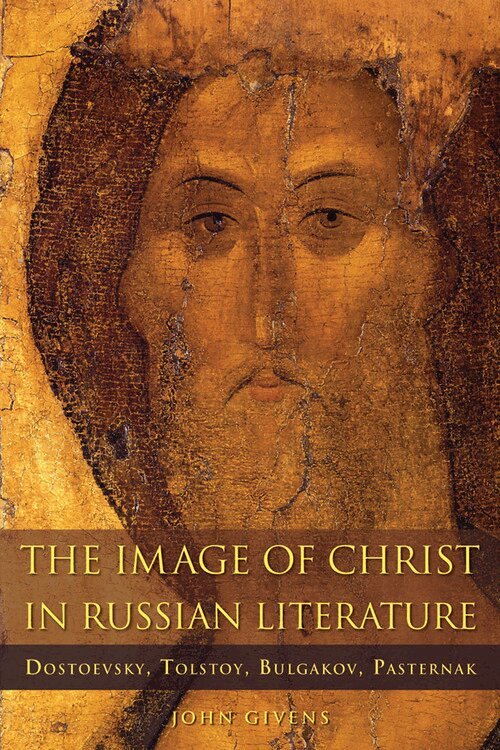
    Image of Christ in Russian Literature

    Dostoevsky, Tolstoy, Bulgakov, Pasternak

    AvJohn Givens

    Häftad, Engelska, 2021

    Del i serien NIU Series in Orthodox Christian Studies

    471 kr

    Beställningsvara. Skickas inom 10-15 vardagar. Fri frakt över 249 kr.

    Fler format och utgåvor

    Inbunden

    1 604 kr

    Inbunden

    393 kr

    Beskrivning

    Vladimir Nabokov complained about the number of Dostoevsky's characters "sinning their way to Jesus." In truth, Christ is an elusive figure not only in Dostoevsky's novels, but in Russian literature as a whole. The rise of the historical critical method of biblical criticism in the nineteenth century and the growth of secularism it stimulated made an earnest affirmation of Jesus in literature highly problematic. If they affirmed Jesus too directly, writers paradoxically risked diminishing him, either by deploying faith explanations that no longer persuade in an age of skepticism or by reducing Christ to a mere argument in an ideological dispute. The writers at the heart of this study understood that to reimage Christ for their age, they had to make him known through indirect, even negative ways, lest what they say about him be mistaken for cliché, doctrine, or naïve apologetics. The Christology of Dostoevsky, Leo Tolstoy, Mikhail Bulgakov, and Boris Pasternak is thus apophatic because they deploy negative formulations (saying what God is not) in their writings about Jesus. Professions of atheism in Dostoevsky and Tolstoy's non-divine Jesus are but separate negative paths toward truer discernment of Christ. This first study in English of the image of Christ in Russian literature highlights the importance of apophaticism as a theological practice and a literary method in understanding the Russian Christ. It also emphasizes the importance of skepticism in Russian literary attitudes toward Jesus on the part of writers whose private crucibles of doubt produced some of the most provocative and enduring images of Christ in world literature. This important study will appeal to scholars and students of Orthodox Christianity and Russian literature, as well as educated general readers interested in religion and nineteenth-century Russian novels.

    Produktinformation

    • Utgivningsdatum:2021-11-15
    • Mått:152 x 229 x 21 mm
    • Vikt:454 g
    • Format:Häftad
    • Språk:Engelska
    • Serie:NIU Series in Orthodox Christian Studies
    • Antal sidor:288
    • Förlag:Cornell University Press
    • ISBN:9781501761669

    Utforska kategorier

    • Litteraturvetenskap inom Skönlitteratur
    • Kristendom inom Filosofi och religion

    Mer om författaren

    John Givens is associate professor of Russian and chair of the Department of Modern Languages and Cultures at the University of Rochester. He is the author of Prodigal Son, co-translator of Vasily Shukshin's Stories from a Siberian Village, and former editor of Russian Studies in Literature.

    Recensioner i media

    [T]his deeply engaged study is a welcome contribution to the growing corpus of contemporary studies of Christianity in Russia.(Times Higher Education) A significant and valuable contribution to scholarship. It will deservedly become standard reading on courses of classical Russian literature across the globe.(Russian Review) The analyses of the works by this quartet of venerable Russian writers unfold as a series of paradoxes, whether that of eros (physical love) and agape (spiritual love) or of humanity and divinity, but Givens has many insightful things to say about other Russian writers too. Given the book's Christological theme, interest in this study may spill over the confines of Slavic studies. Solidly researched and lucidly written. Highly recommended.(Choice) [I]ntelligent, well-researched, and provocative. All those who are interested in the literary representation of Christ will read with interest and reward Givens's insightful analyses of these major writers and texts.(Slavic Review) John Givens approaches a huge topic in an admirably interdisciplinary and focused way.... The results, laid out in accessible and clear prose, will interest readers from religious studies, literature, history, and related fields.(Slavic and East European Journal) This most remarkable volume of investigative study is not only incisive and searching in style, but also analytical and synthetic in the matter at hand— the "who" of Christ and the "how" he is portrayed in Russian literature, both in relatively "minor" authors, but, above all, by the four great authors in the subtitle.(St. Vladimir's Theological Quarterly)