• Fri frakt över 249 kr
  • •
  • Snabba leveranser
  • •
  • Billiga böcker
Kundservice

Du är på sajten för privatpersoner.

Företag, bibliotek eller offentlig verksamhet?

Du handlar på classic.bokus.com, där alla dina funktioner finns intakta.
Till classic.bokus.com
Bokus logotyp. Gå till startsidan.
  • Erbjudanden
  • Nyheter
  • Student
  • Topplistor
  • Barn & ungdom
  • Bokus Play
  • E-böcker
  • Pocketböcker
  • Spel & pussel

10% rabatt på allt med kod: NYSTART10 →

Sidfot

Mina sidor

    Hjälp

    • Kundservice
    • Vanliga frågor och svar
    • Frakt och leverans
    • Retur vid ångerrätt
    • Reklamera vara
    • Betalning
    • Köpvillkor
    • Allmänna villkor
    • Information om webbplatsens tillgänglighet

    Om Bokus

    • Om oss
    • Pressrum
    • För studenter
    • För företag
    • För bibliotek och offentlig verksamhet
    • För leverantörer
    • Hållbarhet

    Populärt

    • Aktuella erbjudanden
    • Presentkort
    • Studentlitteratur
    • Nya böcker
    • Topplistor
    • Signerade böcker
    • Engelska böcker

    Inspiration

    • Boktips
    • BookTok
    • Populära bokserier
    • Barnbokskaraktärer
    • Populära författare
    Logotyp för Bokus
    Följ oss på Facebook (extern länk)Följ oss på Instagram (extern länk)Följ oss på YouTube (extern länk)Följ oss på TikTok (extern länk)
    bokus @ CookiesAnpassa cookiesIntegritetspolicyKöpvillkor
    Till Citymail hemsida (extern länk)Till Budbee hemsida (extern länk)Till Postnord hemsida (extern länk)Till Schenker hemsida (extern länk)Till Early Bird hemsida (extern länk)Till Walleys hemsida (extern länk)
    1. Psykologi och pedagogik
    2. Pedagogik
    3. Utbildningsstrategier och utbildningspolitik
    4. Studievägledning och elevhälsa

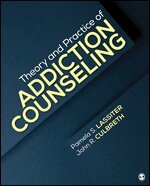
    Theory and Practice of Addiction Counseling

    AvPamela S. Lassiter,John R. Culbreth

    Häftad, Engelska, 2017

    2 492 kr

    Beställningsvara. Skickas inom 3-6 vardagar. Fri frakt över 249 kr.

    Beskrivning

    This one-of-a-kind text brings together contemporary theories of addiction and helps readers connect those theories to practice using a common multicultural case study. Theories covered include motivational interviewing, moral theory, developmental theory, cognitive behavioral theories, attachment theory, and sociological theory. Each chapter focuses on a single theory, describing its basic tenets, philosophical underpinnings, key concepts, and strengths and weaknesses. Each chapter also shows how practitioners using the theory would respond to a common case study, giving readers the opportunity to compare how the different theoretical approaches are applied to client situations. A final chapter discusses approaches to relapse prevention.

    Produktinformation

    • Utgivningsdatum:2017-05-11
    • Mått:187 x 231 x 19 mm
    • Vikt:730 g
    • Format:Häftad
    • Språk:Engelska
    • Antal sidor:424
    • Upplaga:1
    • Förlag:SAGE Publications
    • ISBN:9781506317335

    Utforska kategorier

    • Studievägledning och elevhälsa inom Psykologi och pedagogik

    Mer om författaren

    John Culbreth, PhD, is a leading national trainer in the field of clinical supervsion, who received superior evaluations for his workshops at the WAAODA Conference earlier this year. Dr. Culbreth is an assistant professor and coordinator of the community counseling program in the Department of Counseling at the University of North Carolina at Charlotte. He received his doctorate in Counseling and Counselor Education from the University of North Carolina at Greensboro in 1996 and has held teaching positions at Pennsylvania State University and the University of Virginia. As a faculty member and researcher, Dr. Culbreth has specialized in issues of clinical supervision that are unique to the chemical dependency counseling field and the development process for new and experienced clinical supervisors.  Dr. Culbreth′s clinical experience includes work in treatment settings as a mental health counselor, chemical dependency treatment counselor, substance abuse prevention counselor, and in the school setting as a student assistance program coordinator and intervention counselor. He holds licenses as a professional counselor and as a chemical addiction specialist in North Carolina and is a Nationally Certified Counselor with Addiction Counselor and Clinical Supervisor pecialty certifications

    Recensioner i media

    Best text on this topic.

    Innehållsförteckning

    • From Treatment Lore to Theory Application: An Introduction to Addiction Theory and Practice - John R. Culbreth, Pamela S. LassiterTreatment LoreOverview of Book Sections and ChaptersAddiction Counseling Case StudyAppendix AHistorical Perspectives and the Moral Model - Pamela S. Lassiter, Michael S. SpiveyColonial Era (1492 – 1763)American Revolution & Young Republic (1763 – 1820s)Temperance Movement (1826 – 1919)Prohibition (1919 – 1933)World War II Era (1939 – 1945)Nixon Era (1969 – 1974)Carter Era (1977 – 1981)Reagan Era (1981 – 1989)The 1990s and 2000sCultural Views of AddictionBasic Tenets of the Moral ModelStrengths and Weaknesses of the TheoryInfluences on Social PolicyInfluences on CliniciansCase Study ResponsesSummaryBiological Theory-Genetics and Brain Chemistry - Kathleen Brown-Rice, Regina MoroOverview of Empirical Research Findings on the Addictive ProcessBasic Tenets of the TheoryPhilosophical Underpinnings and Key Concepts of the TheoryAddictive SubstancesHow the Theoretical Approach is Utilized by PractitionersAssessment and Prevention ImplicationsStrengths and Weaknesses of the TheoryCase Study ResponseSummaryAppendixPsychoanalytic Theory of Addiction - Leigh F. HolmanBasic Tenets of the TheoryPhilosophical Underpinnings and Key Concepts of the TheoryHow the Theoretical Approach is Utilized by PractitionersAssessment and Prevention ImplicationsStrengths and Weaknesses of the TheoryCase Study ResponsesSummarySelf-Psychology Theory: Addiction and the wounded self - Joseph B. CooperPhilosophical underpinnings and key concepts of the theoryHow the theoretical approach is utilized by practitionersAssessment and prevention implicationsStrengths and weaknessesCase StudySummaryA Developmental Approach to Addiction Theory and Treatment - Amy Williams, Rick GressardCommon Elements of Developmental TheoriesOverview of Selected Developmental TheoriesPractitioner Uses and Applications to Addiction CounselingApplications and Implications for Prevention, Assessment, and Treatment of Substance Use DisordersStrengths and Weaknesses of Developmental TheoriesCase Study ResponsesSummaryAttachment Theory - Leigh F. Holman, Rebecca G. SchererBasic Tenets of the TheoryPhilosophical Underpinnings and Key Concepts of the TheoryHow the Theoretical Approach is Utilized by PractitionersAssessment and Prevention ImplicationsStrengths and Weaknesses of the TheoryCase Study ResponsesSummarySociological Theory - Katie A. LambersonBrief History of Sociological/Cultural Influences on Addiction, Including Differences Between the U.S. and Other Parts of the WorldBasic Tenets of the TheoryPhilosophical Underpinnings and Key Concepts of the TheoryHow the Theoretical Approach is Utilized by PractitionersAssessment and Prevention ImplicationsStrengths and Weaknesses of the TheoryCase Study ResponsesSummaryFamily Systems Theory - Simone F. Lambert, Heidi Unterberg, and Marsha RiggioBasic Tenets of the TheoryPhilosophical Underpinnings and Key Concepts of the TheoryHow the Theoretical Approach is Utilized by PractitionersChildren and AdolescentsTraumaStrengths and Weaknesses of the TheoryCase Study ResponsesSummaryTranstheoretical Model for Change - Daniel Gutierrez, Astra CzernyBasic Tenets of the TheoryPhilosophical Underpinnings and Key Concepts of the TheoryHow the Approach is Utilized by PractitionersTerminationCounselor’s StanceAssessment ImplicationsStrengths and Weaknesses of the TheoryCase Study ResponsesSummaryMotivational Interviewing in the Treatment of Substance Abuse and Dependence - Todd LewisBasic Tenets of Motivational InterviewingPhilosophical Underpinnings and Key Concepts of the TheoryAssessment and Prevention ImplicationsStrengths and Weaknesses of the TheoryCase Study ResponsesSummaryHarm Reduction: Meeting Clients Where They Are - Regina R. Moro, Jana BursonBasic Tenets of the TheoryPhilosophical Underpinnings and Key Concepts of Harm ReductionHow the Theoretical Approach is Utilized by PractitionersAssessment and Prevention ImplicationsStrengths and Weaknesses of the TheoryCase Study ResponsesSummaryCognitive Behavioral Approaches to Addiction Treatment - Ed WaheshBasic Tenets of the TheoryPhilosophical Underpinnings and Key Concepts of the TheoryHow the Theoretical Approach is Utilized by PractitionersAssessment and Prevention ImplicationsStrengths and Weaknesses of the TheoryCase Study ResponsesSummaryTwelve-Step Facilitation - Jeremy M. LintonBasic Tenets of the TheoryPhilosophical Underpinnings and Key Concepts of the TheoryHow the Theoretical Approach is Utilized by PractitionersAssessment and Prevention ImplicationsCase Study ResponsesSummaryConstructivist Approaches to Addiction Counseling: Feminist, Womanist, and Narrative Theories - Pamela S. Lassiter, Anneliese A. SinghFeminist and Womanist Theories of Addiction CounselingNarrative Approaches to Addiction CounselingFeminist Theory Case Study ResponseWomanist Theory Case Study ResponseNarrative Theory Case Study ResponseSummaryBehavioral Addictions - Craig S. Cashwell, Paula J. SwindleBehavioral AddictionsCultural Issues in Behavioral AddictionsCase Study ResponsesSummaryTheory and Practice of Group Work with Addictions - Melanie M. IarussiA Brief History of Group Work in Addictions TreatmentKey Concepts and Theoretical Underpinnings of Group Work in Addiction TreatmentGroup Work in PracticeTypes of Group TreatmentStrengths and Weaknesses of Group Work with AddictionsCase Study ResponsesApproaches to Relapse Prevention - Amanda L. Giordano, Elliott S. WoehlerBasic Tenets of Approaches to Relapse PreventionPhilosophical Underpinnings and Key Concepts of Relapse PreventionHow Approaches to Relapse Prevention are Utilized by PractitionersAssessment and Prevention ImplicationsStrengths and Weaknesses of Approaches to Relapse PreventionCase Study ResponsesSummaryAppendix A