• Fri frakt över 249 kr
  • •
  • Snabba leveranser
  • •
  • Billiga böcker
Kundservice

Du är på sajten för privatpersoner.

Företag, bibliotek eller offentlig verksamhet?

Du handlar på classic.bokus.com, där alla dina funktioner finns intakta.
Till classic.bokus.com
Bokus logotyp. Gå till startsidan.
  • Erbjudanden
  • Nyheter
  • Student
  • Topplistor
  • Barn & ungdom
  • Bokus Play
  • E-böcker
  • Pocketböcker
  • Spel & pussel

10% rabatt på allt med kod NYSTART10 →

Sidfot

Mina sidor

    Hjälp

    • Kundservice
    • Vanliga frågor och svar
    • Frakt och leverans
    • Retur vid ångerrätt
    • Reklamera vara
    • Betalning
    • Köpvillkor
    • Allmänna villkor
    • Information om webbplatsens tillgänglighet

    Om Bokus

    • Om oss
    • Pressrum
    • För studenter
    • För företag
    • För bibliotek och offentlig verksamhet
    • För leverantörer
    • Hållbarhet

    Populärt

    • Aktuella erbjudanden
    • Presentkort
    • Studentlitteratur
    • Nya böcker
    • Topplistor
    • Signerade böcker
    • Engelska böcker

    Inspiration

    • Boktips
    • BookTok
    • Populära bokserier
    • Barnbokskaraktärer
    • Populära författare
    Logotyp för Bokus
    Följ oss på Facebook (extern länk)Följ oss på Instagram (extern länk)Följ oss på YouTube (extern länk)Följ oss på TikTok (extern länk)
    bokus @ CookiesAnpassa cookiesIntegritetspolicyKöpvillkor
    Till Citymail hemsida (extern länk)Till Budbee hemsida (extern länk)Till Postnord hemsida (extern länk)Till Schenker hemsida (extern länk)Till Early Bird hemsida (extern länk)Till Walleys hemsida (extern länk)
    1. Psykologi och pedagogik
    2. Pedagogik

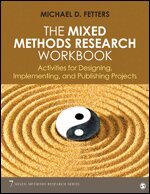
    The Mixed Methods Research Workbook

    Activities for Designing, Implementing, and Publishing Projects

    AvMichael D. Fetters

    Häftad, Engelska, 2020

    Del 7 i serien Mixed Methods Research Series

    1 014 kr

    Beställningsvara. Skickas inom 11-20 vardagar. Fri frakt över 249 kr.

    Beskrivning

    Written by Michael D. Fetters, one of the leading scholars in the field and co-editor of the Journal of Mixed Methods Research, The Mixed Methods Research Workbook: Activities for Designing, Implementing, and Publishing Projects is the perfect tool for doctoral students and researchers who want support throughout their research project, as well as a practical way to apply the knowledge they’ve learned. With The Mixed Methods Research Workbook, you’ll be ready to tackle your mixed methods research project with confidence. 

    Each chapter follows a familiar framework, starting with learning objectives for each piece of the mixed methods process. Readers have ample space in this text to write notes, fill out activities, and begin their process of actively designing and writing up a mixed methods study. This easy-to follow process gives readers an immediate structure to their projects. Exemplar boxes provide a starting framework, with the text encouraging deeper reflection on mixed methods challenges and opportunities. Stories from the field illuminate struggles and suggestions with the benefit of hindsight. Checklists at the end of each chapter help readers stay organized and key resources provide up-to-date lists of material for further study.

    From start to finish, readers can follow along with this text as they work on their projects. The text begins by assisting readers in identifying topics and conducting literature reviews in the context of mixed methods, zeroing in to address mixed-methods-specific challenges like integration, leveraging advantages of both qualitative and quantitative methods, and incorporating theory and personal backgrounds. Identifying data sources helps readers organize their data collection. Two chapters on research designs structure the data collection process with procedural diagrams. A unique chapter on mixed methods sampling offers application through basic and advanced designs. The book illustrates integrating and implementing mixed methods designs with practical advice for each of stage of the process. Ethics in a mixed methods context readies readers for the research protocol stage. Several chapters fully explicate the data analysis process, including developing a joint display, a state-of-the-art procedure for analysis and presentation of findings. Closing out the process, the text tackles quality and evaluation in mixed methods studies, preparing your study for publication, and writing up your article.

    Produktinformation

    • Utgivningsdatum:2020-01-01
    • Mått:215 x 279 x 17 mm
    • Vikt:730 g
    • Format:Häftad
    • Språk:Engelska
    • Serie:Mixed Methods Research Series
    • Antal sidor:312
    • Upplaga:1
    • Förlag:SAGE Publications
    • ISBN:9781506393599

    Utforska kategorier

    • Pedagogik inom Psykologi och pedagogik
    • Sociologi inom Samhälle och politik
    • Samhällsmedicin och preventiv medicin inom Medicin

    Mer om författaren

    Michael D. Fetters, M.D., M.P.H., M.A., is a professor of family medicine at the University of Michigan (U-M) where he directs the Japanese Family Health Program. In addition, Dr. Fetters pursues the same educational goals as an adjunct professor and consultant to Shiga Medical University in Shiga Prefecture, Japan. An international expert in mixed methods research, Professor Fetters has taught multiple mixed methods workshops domestically and internationally in Canada, Denmark, and Japan. He helped coordinate the first Mixed Methods Conference in Japan in 2013 by serving on the organizing committee and presenting. With Family Medicine Adjunct Professor John W. Creswell, he founded and co-directs the University of Michigan Mixed Methods Research and Scholarship Program. He serves as Editor for the Journal of Mixed Methods Research.

    Recensioner i media

    "Mixed methods has become a popular research approach among our graduate students. Unlike any other methods textbook, Michael D. Fetters’ book, through workbook activities, provides our students excellent, straightforward, hands-on experience for designing, implementing, and publishing their projects."

    Innehållsförteckning

    • Series Editors’ IntroductionPrefaceChapter 1 • Identifying a Topic, Rationale, and Potential Feasibility Issues for Conducting a Mixed Methods Research or Evaluation ProjectLearning ObjectivesMixed Methods Research in ContextGetting to WorkBrief Review of Key Elements of Qualitative ResearchBrief Review of Key Elements of Quantitative ResearchBrief Review of Key Elements of Mixed Methods ResearchFeasibility Issues and Mixed Methods ResearchApplication ActivitiesConcluding ThoughtsKey ResourcesChapter 2 • Getting Started: Identifying a Research Topic for a Mixed Methods ProjectLearning ObjectivesIdentifying Your Research TopicTranslating Your “Idea” to “Ink”Good Research Ideas Come From StoriesApplication ActivitiesConcluding ThoughtsKey ResourcesChapter 3 • Reviewing the Literature for a Mixed Methods ProjectLearning ObjectivesPurpose of Your Mixed Methods Research Literature ReviewUnderstanding Different Types of Literature ReviewsConducting a Focused Literature Review of Your TopicRightsizing the Literature ReviewIdentifying Qualitative, Quantitative, and Mixed Methods StudiesApplication ActivitiesConcluding ThoughtsKey ResourcesChapter 4 • Incorporating Personal Background, Theory, and Worldviews Into Mixed Methods ResearchLearning ObjectivesIntroduction to the “Personal Contexts” ConceptPersonal and Professional ExperienceTheoretical and Conceptual ModelsPhilosophical AssumptionsApplication ActivitiesConcluding ThoughtsKey ResourcesChapter 5 • Developing the Background, Research Objectives, and Research Questions for a Mixed Methods Research ProjectLearning ObjectivesDeveloping the Background of Mixed Methods Research and Evaluation ProjectsSituating the Project in the Broader Literature of the FieldDeveloping a Working TitleSummarizing the Overarching ContextIdentifying a Problem in the LiteratureCreating General Research Goals/ObjectivesCrafting Mixed Methods Research QuestionsRefining the Title of the Mixed Methods ProjectApplication ActivitiesConcluding ThoughtsKey ResourcesChapter 6 • Identifying Data Sources for a Mixed Methods ProjectLearning ObjectivesWhat Is a Data Sources Table?Data Collection ProceduresElements of a Data Sources TableApplication ActivitiesConcluding ThoughtsKey ResourcesChapter 7 • Creating Procedural Diagrams of Core Mixed Methods Research DesignsLearning ObjectivesGetting Started by Choosing a Mixed Methods DesignSpectrum of Fixed and Emergent Mixed Methods Research DesignsThree Core Mixed Methods DesignsGuidelines for Drawing Procedural Diagrams for Mixed Methods StudiesExplanatory Sequential Mixed Methods Research DesignExploratory Sequential Mixed Methods Research DesignApplication ActivitiesConcluding ThoughtsKey ResourcesChapter 8 • Constructing Procedural Diagrams of Scaffolded Mixed Methods Designs That Expand Upon Core DesignsLearning ObjectivesMixed Methods Designs Beyond Core DesignsScaffolded Mixed Methods Designs DefinedSteps for Creating a Scaffolded Procedural Diagram From the BeginningOverview of Seven Workbox Illustrations1. Fundamentals of a General Multistage Framework2. Fundamentals of Mixed Methods Designs Integrated With Another Methodology3. Fundamentals of Methods Designs Integrated With Other Designs4. Fundamentals of Mixed Methods Designs Integrated With a Theoretical/Ideological FrameworkApplication ActivitiesConcluding ThoughtsKey ResourcesChapter 9 • Integrating Through Sampling in Mixed Methods ResearchLearning ObjectivesWhy Sampling MattersHow to Make Decisions About SamplingTarget PopulationSampling TimingSampling RelationshipsIncorporating Timing and Sampling Relationships Into Specific Mixed Methods Research DesignsQuantitative and Qualitative Sampling Strategies to Incorporate Into Your Mixed Methods DesignSampling in Quantitative ResearchSampling Strategies for Quantitative Data Collection in Mixed Methods ResearchSampling in Qualitative ResearchSampling Strategies for Qualitative Data Collection in Mixed Methods ResearchSampling Opportunities Arising From Organizational Roles and FunctionsSampling Opportunities Based on Geographic LocationApplication ActivitiesConcluding ThoughtsKey ResourcesChapter 10 • Identifying the Intent of Integration and Illustrating Integration Features in Mixed Methods Procedural DiagramsLearning ObjectivesIntegration During Data Collection and AnalysisIntegrating Data Collection Strategies Into Mixed Methods StudiesIntegration Procedures in Two-Phase Data Collection and Analysis Used in Sequential DesignsIntegration Procedures for Mixed Data AnalysisIntegration Procedures for Adjunctive Data Collection in Mixed Methods StudiesAdding the Intent of Integration Into Mixed Methods Procedural DiagramsData Collection and Analysis Integration Strategies for Explanatory Sequential Mixed Methods Research DesignsData Collection and Analysis Integration Strategies for Exploratory Sequential Mixed Methods Research DesignsData Collection and Analysis Integration Strategies for Convergent Mixed Methods Research DesignsApplication ActivitiesConcluding ThoughtsKey ResourcesChapter 11 • Creating an Implementation Matrix for a Mixed Methods StudyLearning ObjectivesWhat Is an Implementation Matrix?How Can an Implementation Matrix Be Used?Developing an Implementation MatrixCreating a Mixed Methods Implementation MatrixSteps for Creating an Implementation MatrixAdditional Elements That Can Be Added to an Implementation MatrixApplication ActivitiesConcluding ThoughtsKey ResourcesChapter 12 • Ensuring Ethical Conduct of Research With Human Subjects and Developing a Mixed Methods Research ProtocolLearning ObjectivesWhy Is Compliance with Human Subjects Research Regulations Important?Does the Study Qualify as Exempt From Regulatory Oversight?Why Does Human Subjects Protection in Mixed Methods Research Matter?What Are Potential Risks to Human Subjects Raised by Participation in a Mixed Methods Research Study?Discussion of the Language of Human Subjects Versus Human ParticipantsWhat Are Potential Benefits of Participation in a Mixed Methods Research Study?What Is a Mixed Methods Research Protocol?Why Have a Mixed Methods Research Protocol?How to Fill in the Research Protocol?Application ActivitiesConcluding ThoughtsKey ResourcesChapter 13 • Performing Fundamental Steps of Mixed Methods Data AnalysisLearning ObjectivesWhy Find Commonality Between Your Qualitative and Quantitative Data?Seven Fundamental Steps in Mixed Methods Data AnalysisStep 1. Enter, Clean, and Address Gaps or Deficiencies in the Data Based on a Data Collection InventoryStep 2. Frame the Analysis in Accordance With the Study PurposeStep 3. Describe Patterns in the DataStep 4. Use an Organizational Structure for Summarizing the FindingsStep 5. Check for Inconsistencies, Anomalies, or Conflicting FindingsStep 6. Organize the Findings for DisseminationStep 7. Interpret and Articulate the Findings in Writing Up the ResultsApplication ActivitiesConcluding ThoughtsKey ResourcesChapter 14 • Developing a Joint DisplayLearning ObjectivesWhat Is a Joint Display?Joint Display PlanningJoint Display AnalysisDiscovering Linkages Between the Qualitative and Quantitative Data for Joint Display AnalysisSteps for Creating a Joint Display Using Joint Display AnalysisJoint Display Innovations: A Circular Joint DisplayApplication ActivitiesConcluding ThoughtsKey ResourcesChapter 15 • Applying Advanced Procedures in Mixed Data AnalysisLearning ObjectivesWhat Are Advanced Mixed Methods Data Analysis Procedures?Why Use Advanced Mixed Methods Data Analysis Procedures?Determining the Need for Advanced Analysis ProceduresWhat Are the Different Types of Advanced Mixed Analysis Procedures?1. Joint Display Analysis2. Quantitizing—Data Transformation of Qualitative Data Into a Quantitative Form for an Integrated Analysis3. Qualitizing—Data Transformation of Quantitative Data Into a Qualitative Format for an Integrated Analysis4. Qualitative Comparative Analysis5. Geographic Information System Mapping6. Social Network Analysis7. Repertory Grid Analysis8. Imitation GameOther ChoicesApplication ActivitiesConcluding ThoughtsKey ResourcesChapter 16 • Ensuring Mixed Methods Research Integrity: Quality Considerations for Mixed Methods Research and Evaluation StudiesLearning ObjectivesQuality and Mixed Methods ResearchThree Conceptualizations of Mixed Methods QualityMixed Methods Research IntegrityConsideration of the Research Quality Issues Relative to the Qualitative and Quantitative ResearchAssessing for Threats to Quality in Qualitative Research: TrustworthinessAssessing for Threats to Quality in Quantitative Research: Validity, Reliability, Generalizability, Reproducibility, and ReplicabilityAssessing for Threats to Quality in Mixed Methods Research and Evaluation ProjectsResearch Integrity: Quality Assessment in the MethodsConsideration of Research Integrity Issues From the Methodological Perspective: The Legitimation FrameworkThe Legitimation Perspective on Quality in the Methodology of Mixed Methods Research and Evaluation ProjectsA Program Approach to Mixed Methods Quality: O’Cathain’s Research and Evaluation QualityApplication ActivitiesConcluding ThoughtsKey ResourcesChapter 17 • Preparing for Submission of Mixed Methods Research and Evaluation Articles for PublicationLearning ObjectivesPublishing Opportunities When Conducting Mixed Methods Research and Evaluation ProjectsShould I Write Empirical or Methodological Papers?Conducting a Project Inventory for Publishing Mixed Methods Research and Evaluation StudiesSelecting Target Journals for Submitting Mixed Methods Research and Evaluation StudiesIdentifying Candidate Journals and Rating Them as Submission DestinationsDeveloping a Comprehensive Publication PlanApplication ActivitiesConcluding ThoughtsKey ResourcesChapter 18 • Writing a Mixed Methods Article Using the Hourglass Design ModelLearning ObjectivesWhat Are the Publication Formats for Mixed Methods Articles?Recognizing Your Writing Strengths and Identifying Strategies to Write: Write Early and Write OftenUnique Features and Strategies for Writing a Mixed Methods TitleWhat Is the Hourglass Model of Writing?Unique Features and Strategies for Writing a Mixed Methods Article or ChapterCreating an Outline for Your Dissertation or ThesisApplication ActivitiesConcluding ThoughtsKey ResourcesAppendix 1. Mixed Methods Research in Business ExampleAppendix 2. Mixed Methods Research in Education ExampleAppendix 3. Mixed Methods Research in the Health Sciences ExampleGlossaryReferencesIndex