• Fri frakt över 249 kr
  • •
  • Snabba leveranser
  • •
  • Billiga böcker
Kundservice

Du är på sajten för privatpersoner.

Företag, bibliotek eller offentlig verksamhet?

Du handlar på classic.bokus.com, där alla dina funktioner finns intakta.
Till classic.bokus.com
Bokus logotyp. Gå till startsidan.
  • Erbjudanden
  • Nyheter
  • Student
  • Topplistor
  • Barn & ungdom
  • Bokus Play
  • E-böcker
  • Pocketböcker
  • Spel & pussel

10% rabatt på allt med kod: NYSTART10 →

Sidfot

Mina sidor

    Hjälp

    • Kundservice
    • Vanliga frågor och svar
    • Frakt och leverans
    • Retur vid ångerrätt
    • Reklamera vara
    • Betalning
    • Köpvillkor
    • Allmänna villkor
    • Information om webbplatsens tillgänglighet

    Om Bokus

    • Om oss
    • Pressrum
    • För studenter
    • För företag
    • För bibliotek och offentlig verksamhet
    • För leverantörer
    • Hållbarhet

    Populärt

    • Aktuella erbjudanden
    • Presentkort
    • Studentlitteratur
    • Nya böcker
    • Topplistor
    • Signerade böcker
    • Engelska böcker

    Inspiration

    • Boktips
    • BookTok
    • Populära bokserier
    • Barnbokskaraktärer
    • Populära författare
    Logotyp för Bokus
    Följ oss på Facebook (extern länk)Följ oss på Instagram (extern länk)Följ oss på YouTube (extern länk)Följ oss på TikTok (extern länk)
    bokus @ CookiesAnpassa cookiesIntegritetspolicyKöpvillkor
    Till Citymail hemsida (extern länk)Till Budbee hemsida (extern länk)Till Postnord hemsida (extern länk)Till Schenker hemsida (extern länk)Till Early Bird hemsida (extern länk)Till Walleys hemsida (extern länk)
    1. Juridik
    2. Särskilda rättsområden
    3. Civilrätt

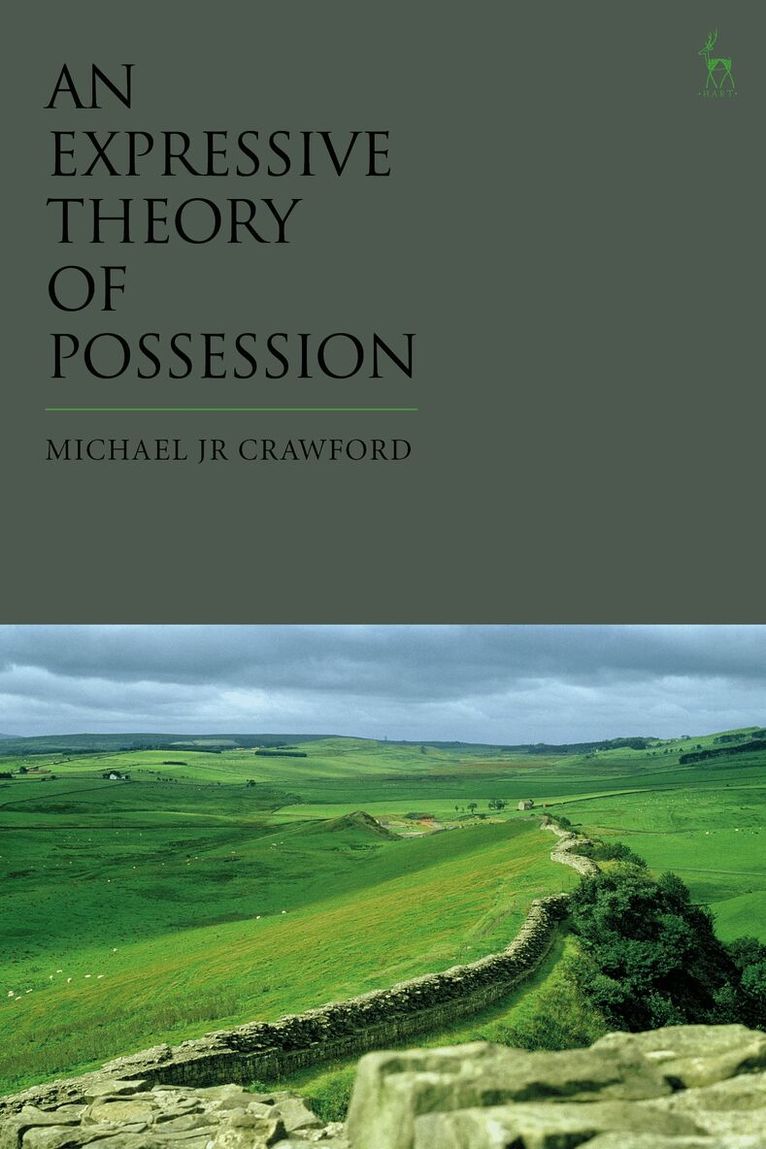
    Expressive Theory of Possession

    AvMichael JR Crawford

    Inbunden, Engelska, 2020

    1 157 kr

    Beställningsvara. Skickas inom 10-15 vardagar. Fri frakt över 249 kr.

    Fler format och utgåvor

    E-bok

    457 kr

    E-bok

    472 kr

    Häftad

    441 kr

    Beskrivning

    Possession is a foundational concept in property law. Despite its undoubted importance, it is poorly understood and a perennial source of confusion. Indeed, there is a widely held view amongst lawyers that possession is an irredeemably ambiguous and amorphous concept. This book aims to challenge this conventional wisdom and to demonstrate that possession is in fact far simpler than generations of lawyers have been led to believe. In viewing possession as a knotty problem for the philosopher or legal theoretician, scholars are apt to overlook the important truth that possession is a concept that laymen routinely and, for the most part, effortlessly apply as they navigate through the countless property interactions that shape everyday life. The key to understanding the nature and function of possession in the law is to appreciate that the possession ‘rule’ is, first and foremost, a spontaneously emergent phenomenon. Possession describes those acts that, as a matter of an extra-legal convention, constitute the accepted way in which members of a given population stake their claims to tangible things.Fusing traditional legal analysis with insights from philosophy and economics, An Expressive Theory of Possession applies this central claim to both theoretical and doctrinal problems in property law and, in doing so, provides a coherent explanation of possession and its role in law and life.

    Produktinformation

    • Utgivningsdatum:2020-07-09
    • Mått:156 x 234 x undefined mm
    • Vikt:503 g
    • Format:Inbunden
    • Språk:Engelska
    • Antal sidor:232
    • Förlag:Bloomsbury Publishing PLC
    • ISBN:9781509929924

    Utforska kategorier

    • Civilrätt inom Juridik
    • Fastighets- och egendomsrätt inom Juridik

    Mer om författaren

    Michael JR Crawford is Lecturer in Law at the University of New South Wales.

    Innehållsförteckning

    • Introduction I. The Possession PuzzleII. Scope of the Book III. Methodological Divergence in Private Law Scholarship IV. Central Arguments V. Chapter Outlines VI. A Note on Nomenclature 1. ‘Exclusion’ and ‘Possession’: An Introduction to Property Rights I. Introduction II. What is a ‘Thing’ and How Do I Get One? III. The Content of a Property Right IV. The Exclusion Model of Property Rights V. The Exclusion Model and Tort VI. Property Limitation Rules VII. Uncoupling ‘Property’ and ‘Possession’ VIII. Conclusion 2. Facts, Rights and Other Things: Laying the Conceptual Foundations I. Introduction II. What is Possession? Some Views from the AcademyIII. Playing Word Games: The Language of Possession IV. Jural and Non-Jural Concepts V. Ownership and Relative Title VI. Conclusion 3. An Expressive Theory of Possession I. Introduction II. What Counts as ‘Possession’? III. The Expressive Theory of Possession IV. Limiting the Vocabulary of Possession V. Do Courts Apply the Expressive Theory? VI. Conclusion 4. The Possession Convention I. Introduction II. Explanations of the Possession Rule III. David Hume’s Theory of Property IV. Conventions V. The Role of Salience in Conventions VI. From Conventions to Norms VII. Conclusion 5. Possession and Fairness I. Introduction II. Hume’s Guillotine and Locke’s Proviso: Epstein’s Partial Defence of the Possession Rule III. Is Possession Fair? IV. The Place of Conventions in the Law V. Conclusion 6. Losing, Finding and the Limits of Possession 2I. Introduction II. The Rules in Outline III. Are these Rules Possessory? IV. Instrumental Justifications V. Are the Rules on Finding Desirable? VI. Navigating the Property Universe VII. Conclusion 7. Theft, Good Faith Purchase and the Limits of Conventions I. Introduction II. Possession and Theft III. Possession and Bona Fide Purchase IV. Conclusion Conclusion