• Fri frakt över 249 kr
  • •
  • Snabba leveranser
  • •
  • Billiga böcker
Kundservice

Du är på sajten för privatpersoner.

Företag, bibliotek eller offentlig verksamhet?

Du handlar på classic.bokus.com, där alla dina funktioner finns intakta.
Till classic.bokus.com
Bokus logotyp. Gå till startsidan.
  • Erbjudanden
  • Nyheter
  • Student
  • Topplistor
  • Barn & ungdom
  • Bokus Play
  • E-böcker
  • Pocketböcker
  • Spel & pussel

10% studentrabatt med kod TERM26

Sidfot

Mina sidor

    Hjälp

    • Kundservice
    • Vanliga frågor och svar
    • Frakt och leverans
    • Retur vid ångerrätt
    • Reklamera vara
    • Betalning
    • Köpvillkor
    • Allmänna villkor
    • Information om webbplatsens tillgänglighet

    Om Bokus

    • Om oss
    • Pressrum
    • För studenter
    • För företag
    • För bibliotek och offentlig verksamhet
    • För leverantörer
    • Hållbarhet

    Populärt

    • Aktuella erbjudanden
    • Presentkort
    • Studentlitteratur
    • Nya böcker
    • Topplistor
    • Signerade böcker
    • Engelska böcker

    Inspiration

    • Boktips
    • BookTok
    • Populära bokserier
    • Barnbokskaraktärer
    • Populära författare
    Logotyp för Bokus
    Följ oss på Facebook (extern länk)Följ oss på Instagram (extern länk)Följ oss på YouTube (extern länk)Följ oss på TikTok (extern länk)
    bokus @ CookiesAnpassa cookiesIntegritetspolicyKöpvillkor
    Till Citymail hemsida (extern länk)Till Budbee hemsida (extern länk)Till Postnord hemsida (extern länk)Till Schenker hemsida (extern länk)Till Early Bird hemsida (extern länk)Till Walleys hemsida (extern länk)
    1. Juridik
    2. Särskilda rättsområden
    3. Straffrätt: process och brott
    4. Straffprocessrätt

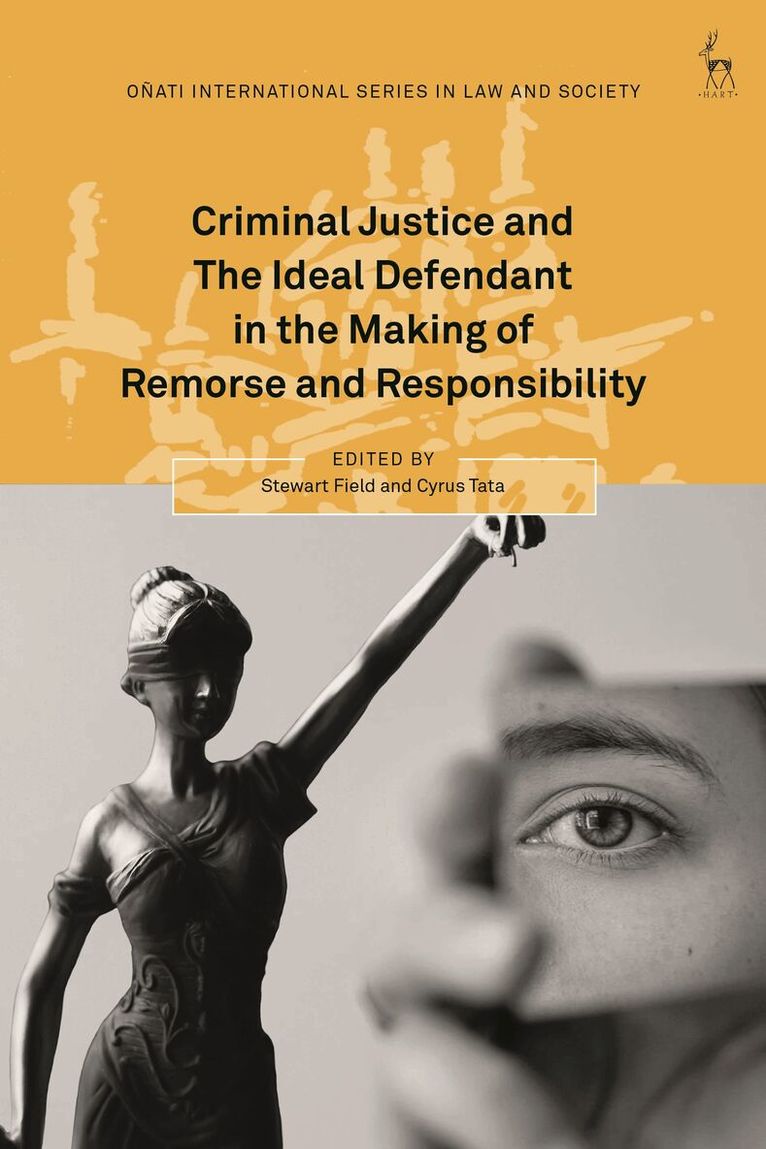
    Criminal Justice and The Ideal Defendant in the Making of Remorse and Responsibility

    AvStewart Field,Cyrus Tata

    Häftad, Engelska, 2024

    Del i serien Oñati International Series in Law and Society

    543 kr

    Beställningsvara. Skickas inom 10-15 vardagar. Fri frakt över 249 kr.

    Beskrivning

    This book investigates how defendants are assessed by criminal justice decisionmakers, such as judges, lawyers, probation officers, parole board members and those involved in restorative justice. What attitudes and emotions are defendants expected to show? How are these expectations communicated?The book argues that defendants, at various stages of the criminal justice process, are expected to show a (more or less) free acceptance of guilt and individual responsibility along with a display of ‘appropriate’ emotions, ideally including ‘genuine’ remorse. It examines why such expressions of individualresponsibility and remorse are so important to decision-makers and the state.With contributors from across the world, the book opens new comparative possibilities and research agendas.

    Produktinformation

    • Utgivningsdatum:2024-11-28
    • Mått:154 x 232 x 20 mm
    • Vikt:420 g
    • Format:Häftad
    • Språk:Engelska
    • Serie:Oñati International Series in Law and Society
    • Antal sidor:336
    • Förlag:Bloomsbury Publishing PLC
    • ISBN:9781509968336

    Utforska kategorier

    • Straffprocessrätt inom Juridik
    • Straffrätt: lagar inom Juridik
    • Komparativ rätt inom Juridik

    Mer om författaren

    Stewart Field is Professor of Law at the School of Law and Politics at Cardiff University, UK. Cyrus Tata is Professor of Law and Criminal Justice at Strathclyde University Law School, UK, where he is director of the Centre for Law, Crime & Justice.

    Recensioner i media

    Criminal Justice and The Ideal Defendant is a dazzling contribution. It takes the debate in important new directions, and poses a powerful challenge to conventional wisdom.

    Innehållsförteckning

    • Part 1: The Making of Remorse and Responsibility 1. Locating the Ideal Defendant: Punishment, Violence and LegitimacyStewart Field and Cyrus Tata 2. Remorse in the French Criminal Justice System: A Subterranean InfluenceVirginie Gautron3. Constructing remorse: Interactional dimensions of finding an emotionSharyn Roach Anleu and Kathy Mack4. Constructing Ideal Defendants in the Pre-Sentence Phase: The Connection Between Responsibility and Potential RemorseLouise Victoria Johansen5. The Paradoxical Uses of ‘Culture’ in Judicial Assessment of Defendant Demeanour and Remorse. Irene Van Oorschot6. Cultural Sensitivity Training, Judicial Feelings, and Everyday Practice: Conversations at the edge of researchKate RossmanithPart 2: Beyond Remorse7. Remorse is Not Enough: Disentangling the Roles of Remorse and Insight in the Construction of the Ideal DefendantRichard Weisman8. The Construction of the Ideal Defendant: Comparative Understandings of the Normalisation of Guilt Jacqueline S. Hodgson9. Looking for the Ideal Parole Applicant?Nicola Padfield Part 3: The Political and Cultural Significance of Remorse and Responsibility10. The Enactment of Political Cultures in Criminal Court Process: Remorse, Responsibility and the Unique Individual Before the French cours d’assisesStewart Field 11. Punishment and the ‘Blind Symbiosis’ of Legal and Rehabilitation Work in the Making of the ‘Ideal’ DefendantCyrus Tata12. Remorse and Restoration: The Role of Remorse in Constructing the ‘Ideal Offender’ of Restorative JusticeGiuseppe Maglione