• Fri frakt över 249 kr
  • •
  • Snabba leveranser
  • •
  • Billiga böcker
Kundservice

Du är på sajten för privatpersoner.

Företag, bibliotek eller offentlig verksamhet?

Du handlar på classic.bokus.com, där alla dina funktioner finns intakta.
Till classic.bokus.com
Bokus logotyp. Gå till startsidan.
  • Erbjudanden
  • Nyheter
  • Student
  • Topplistor
  • Barn & ungdom
  • Bokus Play
  • E-böcker
  • Pocketböcker
  • Spel & pussel

10% rabatt på allt med kod NYSTART10 →

Sidfot

Mina sidor

    Hjälp

    • Kundservice
    • Vanliga frågor och svar
    • Frakt och leverans
    • Retur vid ångerrätt
    • Reklamera vara
    • Betalning
    • Köpvillkor
    • Allmänna villkor
    • Information om webbplatsens tillgänglighet

    Om Bokus

    • Om oss
    • Pressrum
    • För studenter
    • För företag
    • För bibliotek och offentlig verksamhet
    • För leverantörer
    • Hållbarhet

    Populärt

    • Aktuella erbjudanden
    • Presentkort
    • Studentlitteratur
    • Nya böcker
    • Topplistor
    • Signerade böcker
    • Engelska böcker

    Inspiration

    • Boktips
    • BookTok
    • Populära bokserier
    • Barnbokskaraktärer
    • Populära författare
    Logotyp för Bokus
    Följ oss på Facebook (extern länk)Följ oss på Instagram (extern länk)Följ oss på YouTube (extern länk)Följ oss på TikTok (extern länk)
    bokus @ CookiesAnpassa cookiesIntegritetspolicyKöpvillkor
    Till Citymail hemsida (extern länk)Till Budbee hemsida (extern länk)Till Postnord hemsida (extern länk)Till Schenker hemsida (extern länk)Till Early Bird hemsida (extern länk)Till Walleys hemsida (extern länk)
    1. Filosofi och religion
    2. Religion och tro
    3. Religion: allmänt

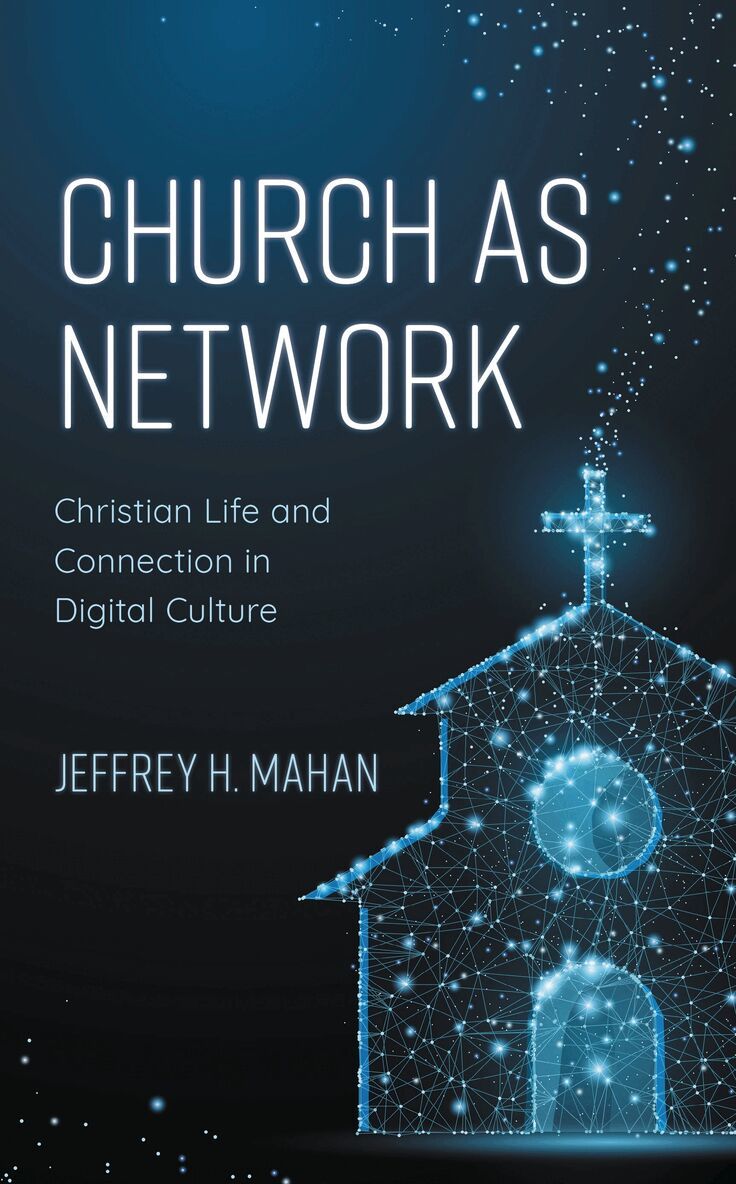
    Church as Network

    Christian Life and Connection in Digital Culture

    AvJeffrey H. Mahan

    Häftad, Engelska, 2021

    313 kr

    Beställningsvara. Skickas inom 10-15 vardagar. Fri frakt över 249 kr.

    Fler format och utgåvor

    Inbunden

    840 kr

    Beskrivning

    Just as the emergence of print and literacy created conditions for vast religious change at the time of the Reformation, the emergence of a digital culture shaped by computers and the internet has led to radically different assumptions about religious identity, how people connect and maintain transformative relationships, and how people follow and give authority to leaders. The central issues concerning this digital culture are not technological but theological and anthropological. Old models of stable religious identity and community seem irrelevant in a culture in which everyone is in motion. The book identifies three profound changes produced by digital culture which challenge existing understandings of church: 1) a shift to seeing Christian identity as an ongoing constructive project, 2) the development of fluid networked forms of community, and 3) the emergence of less hierarchical more conversational forms of leadership.

    Produktinformation

    • Utgivningsdatum:2021-12-15
    • Mått:154 x 230 x 10 mm
    • Vikt:245 g
    • Format:Häftad
    • Språk:Engelska
    • Antal sidor:174
    • Förlag:Bloomsbury Publishing Plc
    • ISBN:9781538135808

    Utforska kategorier

    • Religion: allmänt inom Filosofi och religion
    • Kristendom inom Filosofi och religion
    • Naturvetenskap:allmänt inom Naturvetenskap och teknik

    Mer om författaren

    Jeffrey H. Mahan holds the Ralph E. and Norma E. Peck Chair in Religion and Public Communication and is Professor of Ministry, Media and Culture at Iliff School of Theology in Denver. He is affiliate faculty at the Center for Media, Religion and Culture at the University of Colorado in Boulder and co-editor with Bruce David Forbes of Religion and Popular Culture in America.

    Recensioner i media

    Mahan does an admirable job of describing the challenges that digital enculturation poses for congregations and why many find it difficult to respond faithfully. He writes as sympathetically about resistance to change as he does about new forms of religious identity and practice. He seriously considers whether traditional congregations are necessary for the spread of the gospel and concludes that christians would do well to focus less on “fixed congregations” and more on “building networks of conversation and formation” everywhere that people gather, whether in-person or online.