• Fri frakt över 249 kr
  • •
  • Snabba leveranser
  • •
  • Billiga böcker
Kundservice

Du är på sajten för privatpersoner.

Företag, bibliotek eller offentlig verksamhet?

Du handlar på classic.bokus.com, där alla dina funktioner finns intakta.
Till classic.bokus.com
Bokus logotyp. Gå till startsidan.
  • Erbjudanden
  • Nyheter
  • Student
  • Topplistor
  • Barn & ungdom
  • Bokus Play
  • E-böcker
  • Pocketböcker
  • Spel & pussel

10% studentrabatt med kod TERM26

Sidfot

Mina sidor

    Hjälp

    • Kundservice
    • Vanliga frågor och svar
    • Frakt och leverans
    • Retur vid ångerrätt
    • Reklamera vara
    • Betalning
    • Köpvillkor
    • Allmänna villkor
    • Information om webbplatsens tillgänglighet

    Om Bokus

    • Om oss
    • Pressrum
    • För studenter
    • För företag
    • För bibliotek och offentlig verksamhet
    • För leverantörer
    • Hållbarhet

    Populärt

    • Aktuella erbjudanden
    • Presentkort
    • Studentlitteratur
    • Nya böcker
    • Topplistor
    • Signerade böcker
    • Engelska böcker

    Inspiration

    • Boktips
    • BookTok
    • Populära bokserier
    • Barnbokskaraktärer
    • Populära författare

    Mina sidor

      Hjälp

      • Kundservice
      • Vanliga frågor och svar
      • Frakt och leverans
      • Retur vid ångerrätt
      • Reklamera vara
      • Betalning
      • Köpvillkor
      • Allmänna villkor
      • Information om webbplatsens tillgänglighet

      Om Bokus

      • Om oss
      • Pressrum
      • För studenter
      • För företag
      • För bibliotek och offentlig verksamhet
      • För leverantörer
      • Hållbarhet

      Populärt

      • Aktuella erbjudanden
      • Presentkort
      • Studentlitteratur
      • Nya böcker
      • Topplistor
      • Signerade böcker
      • Engelska böcker

      Inspiration

      • Boktips
      • BookTok
      • Populära bokserier
      • Barnbokskaraktärer
      • Populära författare
      Logotyp för Bokus
      Följ oss på Facebook (extern länk)Följ oss på Instagram (extern länk)Följ oss på YouTube (extern länk)Följ oss på TikTok (extern länk)
      bokus @ CookiesAnpassa cookiesIntegritetspolicyKöpvillkor
      Till Citymail hemsida (extern länk)Till Budbee hemsida (extern länk)Till Postnord hemsida (extern länk)Till Schenker hemsida (extern länk)Till Early Bird hemsida (extern länk)Till Walleys hemsida (extern länk)
      1. Hälsa och familj
      2. Hälsa
      3. Särskilda hälsotillstånd
      4. Missbruk

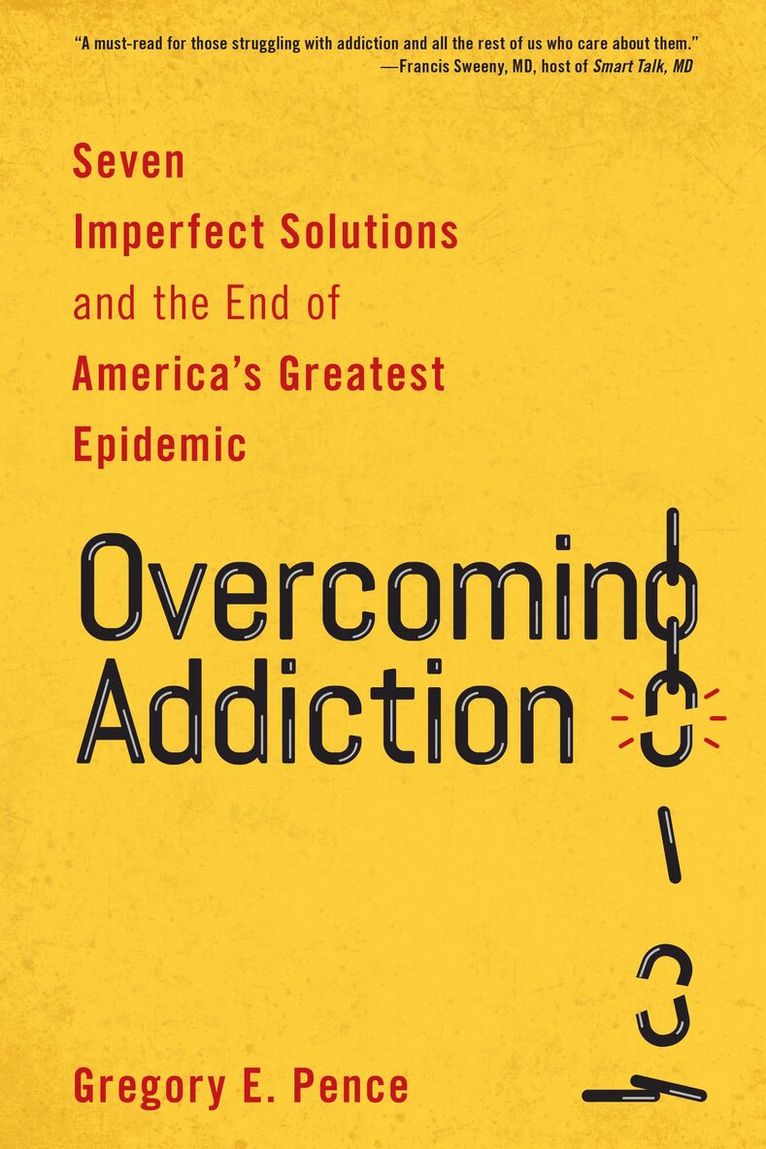
      Overcoming Addiction

      Seven Imperfect Solutions and the End of America's Greatest Epidemic

      AvGregory E. Pence

      Häftad, Engelska, 2022

      271 kr

      Beställningsvara. Skickas inom 10-15 vardagar. Fri frakt över 249 kr.

      Fler format och utgåvor

      Inbunden

      368 kr

      Beskrivning

      With an estimated 20 million people addicted to drugs or alcohol, North America is in the grip of an unrivaled epidemic. Overcoming Addiction reveals how seemingly contradictory treatment theories must come together to understand and end dangerous substance abuse.Addiction treatment has become a billion-dollar industry based on innumerable clinical and psychological perspectives. Zealous clinicians and researchers have gathered around the theories, proclaiming each as the sole truth and excluding alternate views. In this book, leading bioethicist Gregory Pence demystifies seven foundational theories of addiction and addiction treatment. From Alcoholics and Narcotics Anonymous to methadone clinics and brain chemistry studies, each method holds foundation beliefs about human nature, free will, and biology. Understanding the diversity of these theories allows us to build a framework for more effective treatment for all addiction types.For individuals suffering from addiction, their families, and those who devote their lives to ending addiction’s grasp on our society, this book offers a fresh perspective and a framework for long-term solutions.
      Produktinformation

      • Utgivningsdatum:2022-06-25
      • Mått:154 x 220 x 15 mm
      • Vikt:327 g
      • Format:Häftad
      • Språk:Engelska
      • Antal sidor:208
      • Förlag:Bloomsbury Publishing Plc
      • ISBN:9781538168097
      • Utmärkelser:Winner of Outstanding Academic Title 2021

      Utforska kategorier

      • Missbruk inom Hälsa och familj
      • Filosofiska discipliner inom Filosofi och religion

      Mer om författaren

      Gregory E. Pence is known as the founder of bioethics, having studied applied ethics with famous ethicist Peter Singer at NYU and written the leading textbook in the field, now in its 27th year and 8th edition. In 2000 he testified against bills to criminalize cloning before Congress and before the California Senate. He then defended cloning on national television on the CBS Morning Show, Talk Back with Gretta Van Susteren, and CNN News with Wolf Blitzer. He has published over seventy op-ed essays including ones in Newsweek, New York Times, Los Angeles Times, Chronicle of Higher Education, and Wall Street Journal. He lives in Birmingham, Alabama.

      Recensioner i media

      HIGHLY RECOMMENDED . . . Overcoming Addiction provides a reading experience simple in its clarity and provocative in the multilevel depth of its discussion. . . In a well-crafted text that combines clearly defined, fact-based pros and cons with philosophical discussion on addiction, he also opens up discourse on the human conditions that support substance use and abuse. In addition to addressing the familiar legal and illegal substances, Pence explores the role of big pharma in addictive disorders and the near future as marijuana is increasingly legalized. The book is refreshingly void of inherent bias, focusing on facts, theoretical foundations, and philosophy. . . . Each chapter is expertly written, provides new perspective on existing models of treatment, and ends in a summary that might induce critical re-reading. The presentation is clear enough to support upper-level undergraduate and graduate coursework and will be helpful to any individual or professional considering working with people with substance use disorders.

      Innehållsförteckning

      • Preface Acknowledgments 1 America’s Unsolved Epidemic 2 What Are We Getting Wrong? 3 Follow the Money 4 A Medical Disease 5 Chemicals and Electrical Impulses 6 Poor Choices 7 Avoiding the Worst Outcomes 8 Written in the DNA 9 Bad Ways of Coping 10 Beyond the Individual 11 The Seven Approaches and Super Pot 12 Ten Insights for Fighting our Epidemics Notes Index PrefaceAlmost every day, newspapers or television describe deaths from overdoses. Educated people understand that addiction and alcoholism raise some of the most pressing questions of our times: what causes them, how should they best be treated, how much is the alcoholic or addicted person responsible for his or her condition, and can victims actually overcome these diseases? What people don’t realize is that these questions not only raise factual issues but also deeply philosophical ones.In 2016, Surgeon General, Vivek Murthy, MD, in an essay in the New England Journal of Medicine decried “American’s escalating opioid epidemic.”[i] He wrote that, “more than 2 million people in the United States are addicted to prescription opioids,” and that “we estimate that more than 1 million people who need treatment lack access to it.” Some would call our situation in America a pandemic of addiction and of abuse of alcohol. Some scholars estimate that 1 American family in 3 suffers personal experience with addition or severe alcoholism.At the same time as the number of deaths grows each year from overdoses, various clinics and therapists claim to know the true cause of addiction and the way to cure it. They write books, start residential treatment centers, and charge substantial fees. Starting with Alcoholics Anonymous in 1935 and ending with insights from brain imaging in the last decade, families and addicts hear conflicting claims about addiction and how to treat it.In all this noise, it may surprise people that real understanding addiction may be as much a philosophical problem as a scientific one, that we really need to understand the foundational commitments of researchers and counselors. Just hearing one scientist pitch her views, without comment from other views, dooms listeners to an incomplete understanding. Getting to the bottom of addiction, and its twin, alcoholism, requires both philosophical acumen and hard-nosed facts. Getting to the bottom also requires exposing the many hidden ethical issues in competing claims about treating addiction, such as how Google can make $187 every time someone clicks on one of its ads for a a rehab center.Take one recent theoretical battle over treating addiction. A bitter, sustained debate occurred in 2018 in the normally boring New England Journal of Medicine. One famous physician- researcher claimed that addiction was an “acquired disease of the brain” and should be treated as such. An opposing researcher awhile later opposed that claim, arguing that addiction was learned behavior that could not be treated solely as a disease-of-the-brain. In turn, both thought the approach of Alcoholics Anonymous/Narcotics Anonymous, was simplistic and outdated. And in turn again, all these theories thought Kant’s view of addiction and alcoholism, as a series of free choices for which people are responsible, was wrong and primitive (although many ordinary people and parents agreed with Kant.)Not understanding the philosophical conflict behind conflicting theories dooms each researcher, each family, to falsely believing that their approach is true view, while seeing other approaches as besot with ignorance or bigotry, just as many Christians, Muslims, Hindus or Jews believe that they grew up in the true religion and, sorry!, but all other religions are false. Each addiction specialist believes that he or she has discovered the true theory for treating alcoholism and addictions, but unlike theories of human nature defended by long-dead philosophers—these living specialists push their theories with take-no-prisoners zeal. The ferociousness of this debate will surprise readers, but sadly, it is an ongoing fact. Indeed, as a physician or PhD writing a book about alcoholism or addiction, it seems a prerequisite that one be recovering from one of these conditions (Paul Thomas, Leslie Jamison, Ann Johnston, Annie Grace, Judy Griesel, Marc Lewis, Maia Szalawitz, et al.) Yet the same passion that these writers bring to their subject narrows their focus to the theory that worked for them instead of the broader focus on what might work for other, different people. And that’s important. If addiction and alcoholism are not all-or-nothing conditions, but spectrums, and if different people arrive at the same place on these spectrums for different reasons, then a one-sized approach won’t fit all. Tolerance of other views and impartiality are rare virtues. In the author’s reading about alcoholism and addiction over decades, he has never come across a writer who admits, “Every one of the other theories contains some truth.” Instead, each writer vilifies the other approaches, accusing them of ignorance, greed, and lack of evidence. This book discusses the seven leading theories of addiction: Alcoholics/Narcotics Anonymous, Neuroscience, Kant, Genetics, Learning Theory, Harm Reduction, and Structuralism. An introductory chapter sketches the history and nature of our epidemic of substance abuse, while another gives an overview of theorizing about alcoholism and addiction. The latter discusses how theories might be usefully compared and evaluated. Seven core chapters, each covering one theory, follow the two introductory chapters. As the book progresses, each theory is subjected to criticisms by other theories. A concluding chapter offers some conclusions and suggests avenues of further inquiry.This book also emphasizes practical applications of the theories, empirical tie-ins, and actual cases. Every chapter on a theory also contains a summary of the theory’s explanation of addiction, its proposed cure or treatment, its explanation of why other theories are mistaken, its view of money matters, its view of whether addicts are responsible for their behavior and, its advice for families of affected relatives.Although much has been written about addiction and although billions of dollars fund research into treating addiction, many physicians and educated laymen do not realize how much the definition of addiction, as well as its treatment, stems from underlying philosophical assumptions. Ignorance about these assumptions contributes to our ongoing controversies about treating addiction and our ongoing villainization of opposing views. As Socrates said, the first step to wisdom is understanding what you don’t know, as well as questioning whether your unstated assumptions are correct.Moreover, one of the most famous issues in the history of philosophy has been free will, paralleled by its companion issues of personal responsibility and blame. Addiction makes resolution of such issues a national crisis, especially for families of those affected by chronic users, who are often told they should not blame their son because he has a medical disease. Yet hardly any philosopher discusses the free will or responsibility of the addict.The business of treating addiction is a lucrative one. Two of my former students, both psychiatrists, run groups every weeknight for addicted dentists, nurses, anesthesiologists, surgeons, and others. Each night, each person must provide a urine sample and $100 bill (no insurance taken). Each person must do so to retain the right to continue employment in their practice or hospital.The Surgeon General noted that “the Mental Health Parity and Addiction Equality Act of 2008 was a major step forward in ensuring that health insurance plans treat substance use disorders the same way they treat other medical conditions … .” It also unleased billions of dollars of insurance money for treating addiction, setting off scads of problems. This book also follows the money in discussing many ethical issues surrounding reimbursing those who treat addiction.Prestigious groups, such as the editorial board of the New York Times and Surgeon General Vivek Murthy, push for more funding for treatment of addiction.[ii] But how are we know which treatment to fund without a thorough understanding of the strengths and weaknesses of different theories? Should we fund theories whose therapists refuse to submit their results to impartial observers? Whose counselors cannot provide objective evidence of success? If we throw gobs of money at scammers, won’t we just waste it? Some last personal remarks: I realize that some families, upon reading this book, may realize that the money they’ve spent for a relative in rehab may have been wasted. If so, I apologize for their hurt feelings. It is also possible that reading this book may save other families from wasting money on methods that don’t fit their child.I have no monetary or personal stake in any theory described in this book. Also, I donate a portion of the royalties from this book to evidence-based treatments of alcoholism and addiction.I also realize that some recovering alcoholics and some people recovering from addiction may be inflamed by my description of a theory that has worked for them. If a particular theory such as Alcoholics Anonymous has worked for someone, he or she often generalizes it to be the only theory that can work for everyone. Such people may not believe that other theories can work for others or that some people recovered on their own, without accepting any over-arching theory. Again, I apologize if you think I’ve short-changed your favorite theory or not done it justice.The literature and studies of alcoholism and addiction are vast, encompassing dozens and dozens of journals in many different fields. I do not claim to have read or mastered all these studies: I do not see how anyone could. But I do claim to know about the theoretical orientations that emerge from this literature and how those theories often conflict with each other.In reading the many memoirs and books of recovering alcoholics and people with addictions, I get the sense sometimes that these authors feel that only one who has experienced these syndromes is qualified to write about them. If you haven’t “walked the walk,” they imply you can’t credibly “talk the talk.” I understand those feelings and I do not want to take anything away from the many authors who’ve courageously recovered and written about their journey to recovery. At the same time, an impartial observer can be valuable and add understanding to the issues. Because each profession seems to compete to be the Master of Addiction Treatment, counselors and writers from each theory only write from their orientation. Ideally, relatives and people affected need an impartial survey of all the theories and their strengths and weaknesses. In that way, everyone can decide which theory, or which combination of theories, works best for him, her, or their child.[i] Vivek Murthy, “Ending the Opioid Epidemic – A Call to Action,” New England Journal of Medicine, December 22, 2016, 375: 25, pp. 2413-2415.[ii] Vivek Murthy, “Ending the Opioid Epidemic – A Call to Action,” New England Journal of Medicine, December 22, 2016, 375: 25, pp. 2413-2415; “Breaking America’s Opioid Addiction,” Editorial, New York Times, October 1, p. SR8.
      Hoppa över listan

      Mer från samma författare

      Gregory E. Pence - Ethics of Food, Inbunden

      Ethics of Food

      Gregory E. Pence

      Inbunden, 2001

      1 678 kr

      Gregory E. Pence - Ethics of Food, Häftad

      Ethics of Food

      Gregory E. Pence

      Häftad, 2001

      842 kr

      Gregory E. Pence - Flesh of My Flesh, Häftad

      Flesh of My Flesh

      Gregory E. Pence

      Häftad, 1998

      258 kr

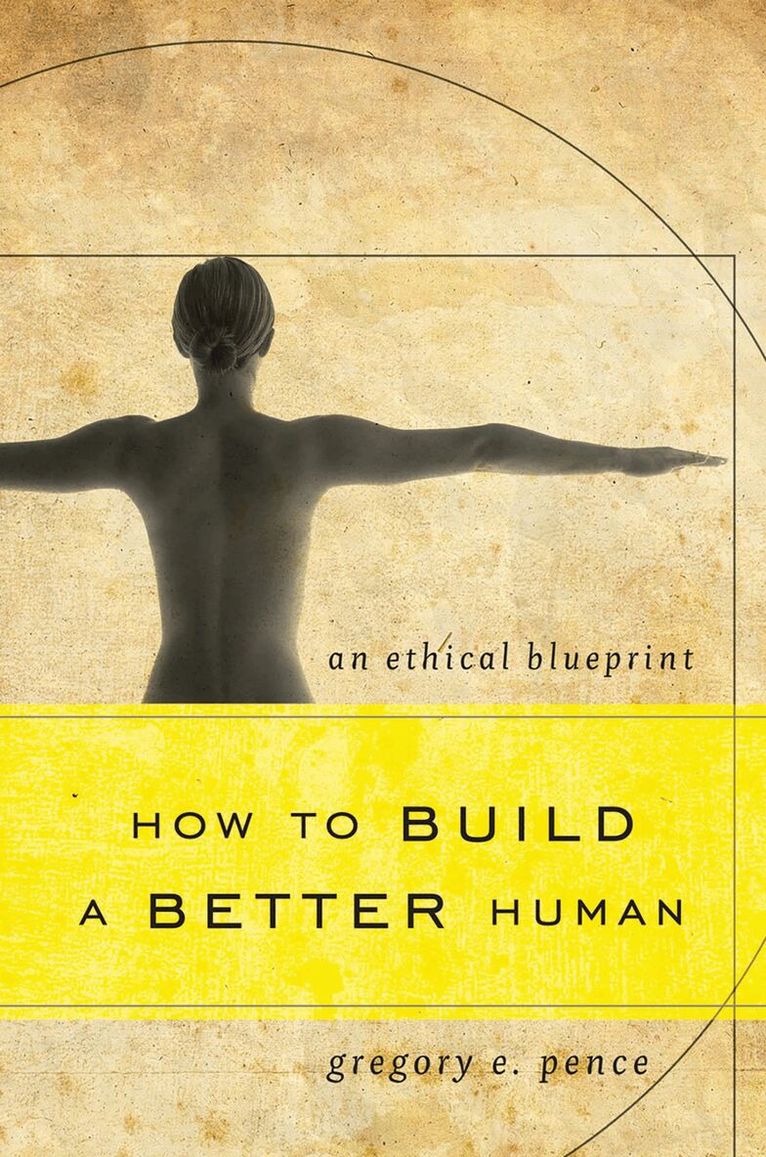
      Gregory E. Pence - How to Build a Better Human, Inbunden

      How to Build a Better Human

      Gregory E. Pence

      Inbunden, 2012

      632 kr

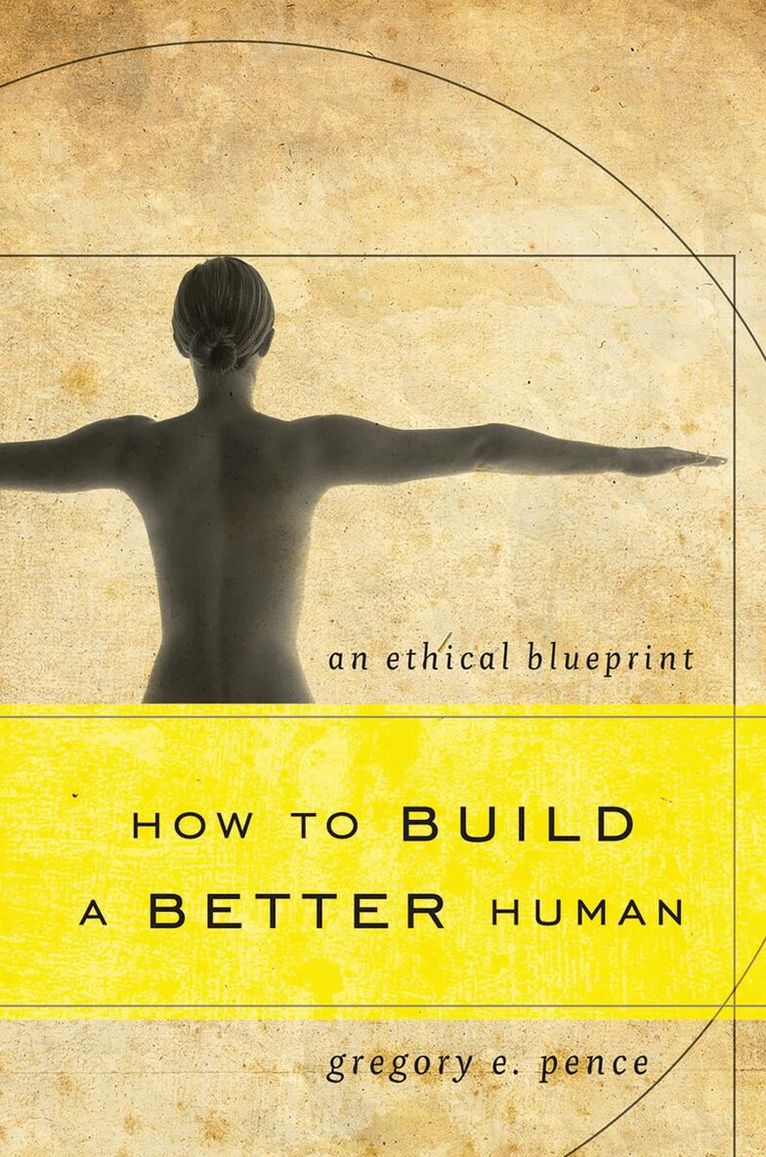
      Gregory E. Pence - How to Build a Better Human, Häftad

      How to Build a Better Human

      Gregory E. Pence

      Häftad, 2015

      451 kr

      Gregory E. Pence - How to Build a Better Human, E-bok

      How to Build a Better Human

      Gregory E. Pence

      E-bok
      2012

      483 kr

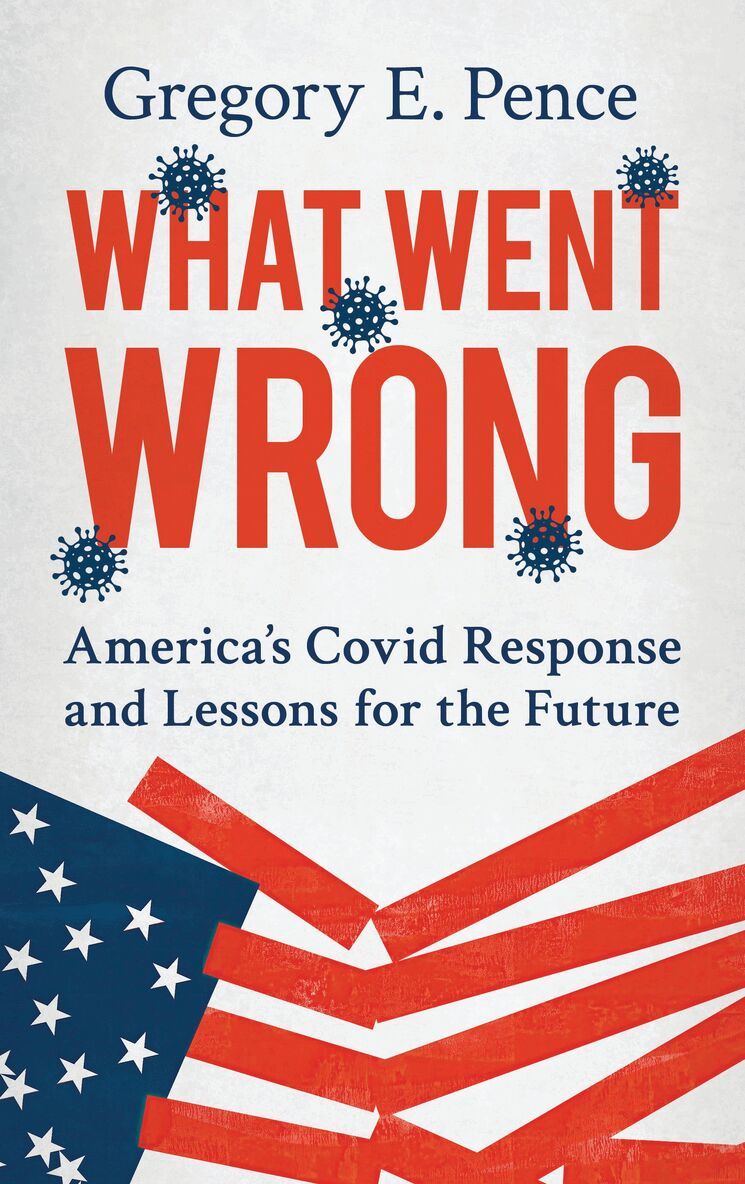
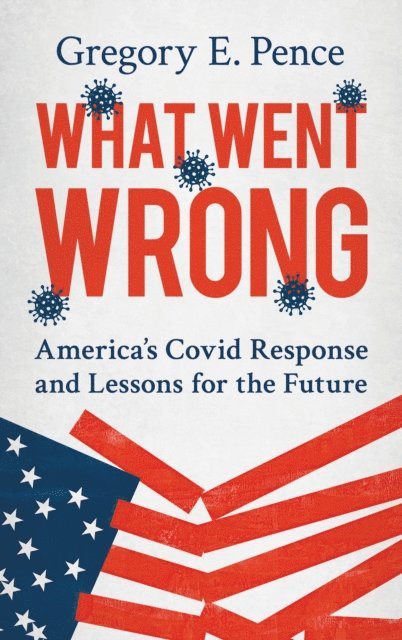
      Gregory E. Pence - What Went Wrong, Inbunden

      What Went Wrong

      Gregory E. Pence

      Inbunden, 2025

      349 kr

      Gregory E. Pence - What Went Wrong, E-bok

      What Went Wrong

      Gregory E. Pence

      E-bok
      2025

      378 kr

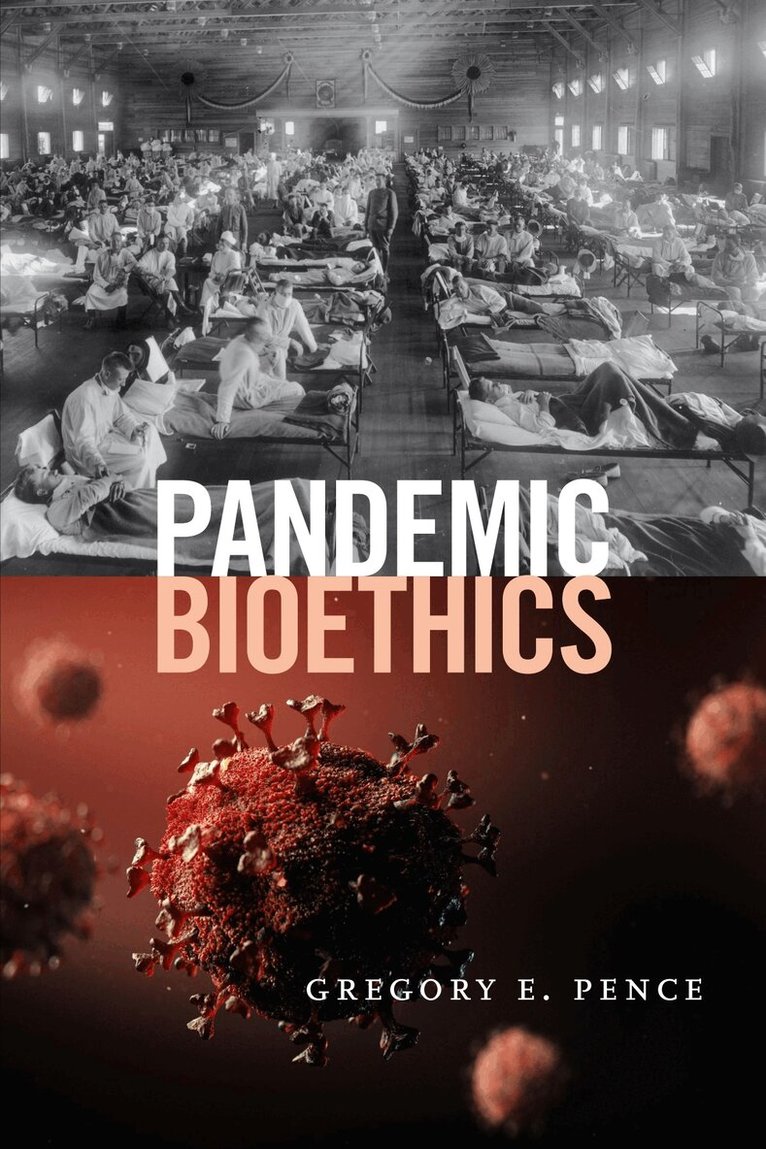
      Gregory E. Pence - Pandemic Bioethics, Häftad

      Pandemic Bioethics

      Gregory E. Pence

      Häftad, 2021

      323 kr

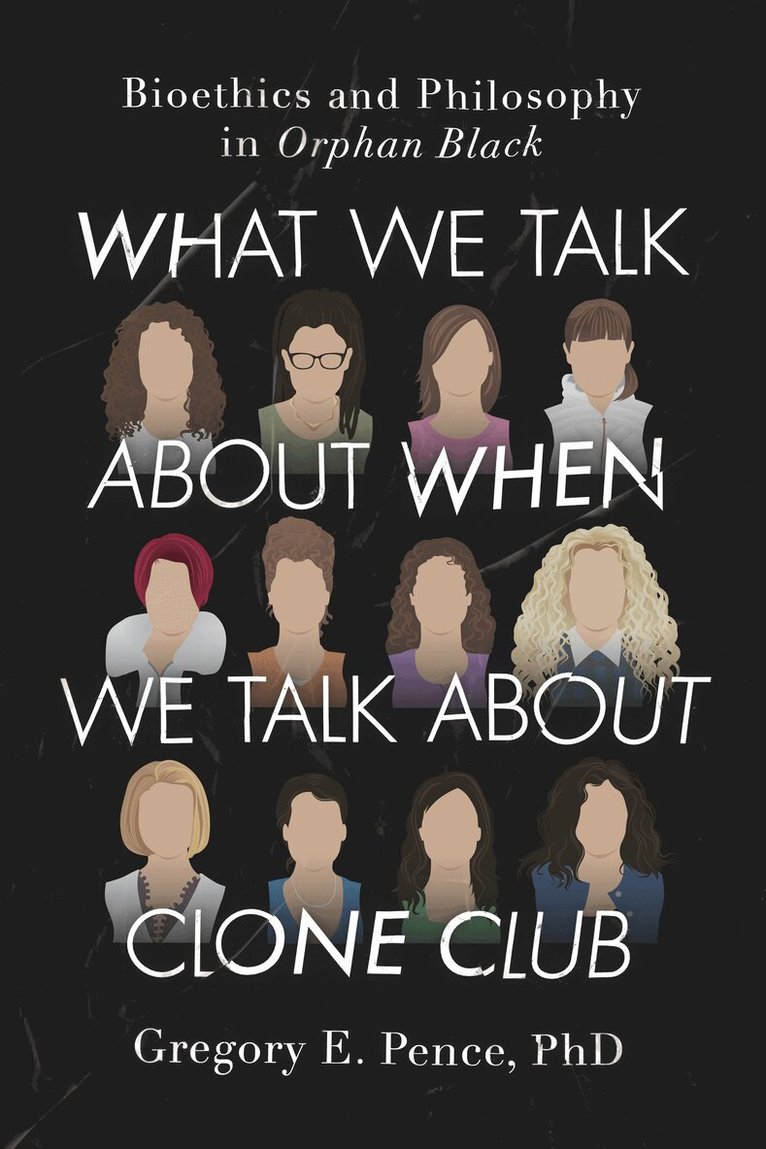
      Gregory E. Pence - What We Talk About When We Talk About Clone Club, Häftad

      What We Talk About When We Talk About Clone Club

      Gregory E. Pence

      Häftad, 2016

      206 kr

      Hoppa över listan

      Du kanske också är intresserad av

      Gregory E. Pence - Overcoming Addiction, Inbunden

      Overcoming Addiction

      Gregory E. Pence

      Inbunden, 2020

      368 kr

      Gregory E. Pence - What Went Wrong, E-bok

      What Went Wrong

      Gregory E. Pence

      E-bok
      2025

      378 kr

      Gregory E. Pence - What Went Wrong, Inbunden

      What Went Wrong

      Gregory E. Pence

      Inbunden, 2025

      349 kr

      Gregory E. Pence - Pandemic Bioethics, Häftad

      Pandemic Bioethics

      Gregory E. Pence

      Häftad, 2021

      323 kr

      Gregory E. Pence - What We Talk About When We Talk About Clone Club, Häftad

      What We Talk About When We Talk About Clone Club

      Gregory E. Pence

      Häftad, 2016

      206 kr

      Gregory E. Pence - How to Build a Better Human, Häftad

      How to Build a Better Human

      Gregory E. Pence

      Häftad, 2015

      451 kr

      Gregory E. Pence - Flesh of My Flesh, Häftad

      Flesh of My Flesh

      Gregory E. Pence

      Häftad, 1998

      258 kr

      Gregory E. Pence - Ethics of Food, Inbunden

      Ethics of Food

      Gregory E. Pence

      Inbunden, 2001

      1 678 kr

      Gregory E. Pence - How to Build a Better Human, E-bok

      How to Build a Better Human

      Gregory E. Pence

      E-bok
      2012

      483 kr

      Gregory E. Pence - Ethics of Food, Häftad

      Ethics of Food

      Gregory E. Pence

      Häftad, 2001

      842 kr