• Fri frakt över 249 kr
  • •
  • Snabba leveranser
  • •
  • Billiga böcker
Kundservice

Du är på sajten för privatpersoner.

Företag, bibliotek eller offentlig verksamhet?

Du handlar på classic.bokus.com, där alla dina funktioner finns intakta.
Till classic.bokus.com
Bokus logotyp. Gå till startsidan.
  • Erbjudanden
  • Nyheter
  • Student
  • Topplistor
  • Barn & ungdom
  • Bokus Play
  • E-böcker
  • Pocketböcker
  • Spel & pussel

10% rabatt på allt med kod: NYSTART10 →

Sidfot

Mina sidor

    Hjälp

    • Kundservice
    • Vanliga frågor och svar
    • Frakt och leverans
    • Retur vid ångerrätt
    • Reklamera vara
    • Betalning
    • Köpvillkor
    • Allmänna villkor
    • Information om webbplatsens tillgänglighet

    Om Bokus

    • Om oss
    • Pressrum
    • För studenter
    • För företag
    • För bibliotek och offentlig verksamhet
    • För leverantörer
    • Hållbarhet

    Populärt

    • Aktuella erbjudanden
    • Presentkort
    • Studentlitteratur
    • Nya böcker
    • Topplistor
    • Signerade böcker
    • Engelska böcker

    Inspiration

    • Boktips
    • BookTok
    • Populära bokserier
    • Barnbokskaraktärer
    • Populära författare
    Logotyp för Bokus
    Följ oss på Facebook (extern länk)Följ oss på Instagram (extern länk)Följ oss på YouTube (extern länk)Följ oss på TikTok (extern länk)
    bokus @ CookiesAnpassa cookiesIntegritetspolicyKöpvillkor
    Till Citymail hemsida (extern länk)Till Budbee hemsida (extern länk)Till Postnord hemsida (extern länk)Till Schenker hemsida (extern länk)Till Early Bird hemsida (extern länk)Till Walleys hemsida (extern länk)
    1. Historia och arkeologi
    2. Historia
    3. Europas historia

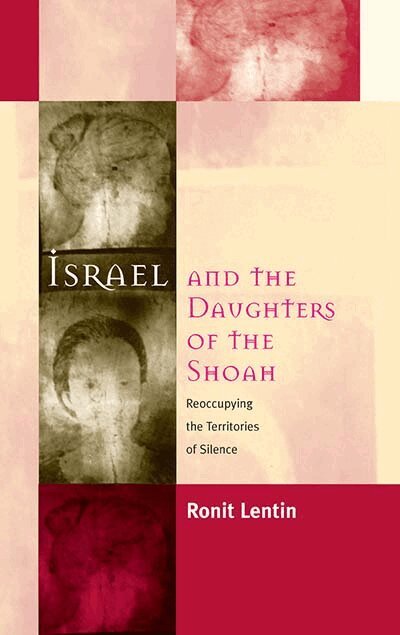
    Re-presenting the Shoah for the 21st Century

    AvRonit Lentin

    Inbunden, Engelska, 2004

    2 058 kr

    Beställningsvara. Skickas inom 3-6 vardagar. Fri frakt över 249 kr.

    Beskrivning

    Despite Adorno's famous dictum, the memory of the Shoah features prominently in the cultural legacy of the 20th century and beyond. It has led to a proliferation of works of representation and re-memorialization which have brought in their wake concerns about a 'holocaust industry' and banalization. This volume sheds fresh light on some of the issues, such as the question of silence and denial, of the formation of contemporary identities — German, East European, Jewish or Israeli, the consequences of the legacy of the Shoah for survivors and for the 'second generation,' and the political, ideological, and professional implications of Shoah historiography. One of the conclusions to be drawn from this volume is that the 'Auschwitz code,' invoked in relation to all 'unspeakable' catastrophes, has impoverished our vocabulary; it does not help us remember the Shoah and its victims, but rather erases that memory.
    Produktinformation

    • Utgivningsdatum:2004-03-18
    • Mått:152 x 229 x 18 mm
    • Vikt:581 g
    • Format:Inbunden
    • Språk:Engelska
    • Antal sidor:352
    • Förlag:Berghahn Books, Incorporated
    • ISBN:9781571818027

    Utforska kategorier

    • Europas historia inom Historia och arkeologi
    • Andra världskriget inom Historia och arkeologi
    • Historia: teori och metod inom Historia och arkeologi

    Mer om författaren

    Ronit Lentin was born in Haifa prior to the establishment of the State of Israel and has lived in Ireland since 1969. She is a well known writer of fiction and non-fiction books and is course co-ordinator of the MPhil in Ethnic Studies at the Department of Sociology, Trinity College Dublin. She has published extensively on the gendered link between Israel and the Shoah, feminist research methodologies, Israeli and Palestinian women’s peace activism, gender and racism in Ireland.

    Innehållsförteckning

    • AcknowledgementsIntroduction: Postmemory, Unsayability and the Return of the Auschwitz CodeRonit LentinChapter 1. Categorial Murder, or: How to Remember the HolocaustZygmunt BaumanChapter 2. ‘The word passed away, as that world awakened’: On the (Im)possibility of RepresentationHeidrun FrieseChapter 3. Memory, Forgetting and Mourning Work: Deviant Narratives of Silence in the Gendered Relations between Israeli Zionism and the ShoahRonit LentinChapter 4. Entering the World of a Holocaust Victim: Schoolchildren Discuss a Ghetto Memoir – a Case StudyJanina BaumanChapter 5. A Dual Perspective: Yaakov Shabtai and the Historian’s Account of the Deportation to MauritiusDalia OferChapter 6. Memory, Authenticity and Replication of the Shoah in Museums: Defensive Tools of the NationAndrea TyndallChapter 7. Forbidden Laughter? The Politics and Ethics of the Holocaust Film ComedyYosefa LoshitzkyChapter 8. Voice, Silence and Memory: The Escape from Auschwitz and the Israeli HistoriographyRuth LinnChapter 9. The Shoah and Marxism: Behind and Beyond SilencePhilip SpencerChapter 10. Re-presenting the Shoah in Poland and Poland in the ShoahAnnamaria Orla-BukowskaChapter 11. Denying the Holocaust where it Happened: Post-Communist East Central Europe and the ShoahMichael ShafirChapter 12. Evoking and Revoking Auschwitz: Kosovo, Remembrance and German National IdentityChristine AchingerChapter 13. Exile, Daughterhood and Writing: Representing the Shoah as a Personal MemoryEsther FuchsNotes on ContributorsIndex