• Fri frakt över 249 kr
  • •
  • Snabba leveranser
  • •
  • Billiga böcker
Kundservice

Du är på sajten för privatpersoner.

Företag, bibliotek eller offentlig verksamhet?

Du handlar på classic.bokus.com, där alla dina funktioner finns intakta.
Till classic.bokus.com
Bokus logotyp. Gå till startsidan.
  • Erbjudanden
  • Nyheter
  • Student
  • Topplistor
  • Barn & ungdom
  • Bokus Play
  • E-böcker
  • Pocketböcker
  • Spel & pussel

10% rabatt på allt med kod: NYSTART10 →

Sidfot

Mina sidor

    Hjälp

    • Kundservice
    • Vanliga frågor och svar
    • Frakt och leverans
    • Retur vid ångerrätt
    • Reklamera vara
    • Betalning
    • Köpvillkor
    • Allmänna villkor
    • Information om webbplatsens tillgänglighet

    Om Bokus

    • Om oss
    • Pressrum
    • För studenter
    • För företag
    • För bibliotek och offentlig verksamhet
    • För leverantörer
    • Hållbarhet

    Populärt

    • Aktuella erbjudanden
    • Presentkort
    • Studentlitteratur
    • Nya böcker
    • Topplistor
    • Signerade böcker
    • Engelska böcker

    Inspiration

    • Boktips
    • BookTok
    • Populära bokserier
    • Barnbokskaraktärer
    • Populära författare
    Logotyp för Bokus
    Följ oss på Facebook (extern länk)Följ oss på Instagram (extern länk)Följ oss på YouTube (extern länk)Följ oss på TikTok (extern länk)
    bokus @ CookiesAnpassa cookiesIntegritetspolicyKöpvillkor
    Till Citymail hemsida (extern länk)Till Budbee hemsida (extern länk)Till Postnord hemsida (extern länk)Till Schenker hemsida (extern länk)Till Early Bird hemsida (extern länk)Till Walleys hemsida (extern länk)
    1. Ekonomi och Ledarskap
    2. Företagsekonomi
    3. Organisationsteori

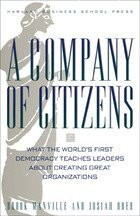
    Company of Citizens

    What the World's First Democracy Teaches Leaders About Creating Great Organizations

    AvBrook Manville,Josiah Ober

    Inbunden, Engelska, 2003

    275 kr

    Tillfälligt slut

    Beskrivning

    The "knowledge revolution" is widely accepted, but strategic leaders now talk of the logical next step: the human capital revolution and the need to manage knowledgeable people in an entirely different way. The organization of the future must be not only nimble and flexible but also self-governing and values-driven. But what will this future organization look like? And how will it be led? In this thoughtful book, organizational expert Brook Manville and Princeton classics professor Josiah Ober suggest that the model for building the future organization may lie deep in the past. The authors argue that ancient Athenian democracy was an ingenious solution to organizing human capital through the practice of citizenship. That ancient solution holds profound lessons for today's forward-thinking managers: They must reconceive today's "employees" as "citizens." Through this provocative case study of innovation and excellence lasting two hundred years, Manville and Ober describe a surprising democratic organization that empowered tens of thousands of individuals to work together for both noble purpose and hard-edged performance.Their book offers timeless guiding principles for organizing and leading a self-governing enterprise. A unique and compelling think piece, A Company of Citizens will change the way managers envision the leadership, values, and structure of tomorrow's people-centered organizations.

    Produktinformation

    • Utgivningsdatum:2003-01-08
    • Mått:149 x 223 x 14 mm
    • Vikt:436 g
    • Format:Inbunden
    • Språk:Engelska
    • Antal sidor:256
    • Förlag:Harvard Business Review Press
    • ISBN:9781578514403

    Utforska kategorier

    • Organisationsteori inom Ekonomi och Ledarskap
    • Statsskick: demokrati inom Samhälle och politik

    Mer om författaren

    Brook Manville is Chief Learning Office and Chief Customer Evangelist at Saba, a firm that delivers human capital development and management solutions. Josiah Ober is Chair of the Department of Classics and David Magie '97 Class of 1897 Professor of Ancient History at Princeton University. He teaches courses on participatory democracy and postmodern organizations; and on the politics of learning in Ancient Athens.