• Fri frakt över 249 kr
  • •
  • Snabba leveranser
  • •
  • Billiga böcker
Kundservice

Du är på sajten för privatpersoner.

Företag, bibliotek eller offentlig verksamhet?

Du handlar på classic.bokus.com, där alla dina funktioner finns intakta.
Till classic.bokus.com
Bokus logotyp. Gå till startsidan.
  • Erbjudanden
  • Nyheter
  • Student
  • Topplistor
  • Barn & ungdom
  • Bokus Play
  • E-böcker
  • Pocketböcker
  • Spel & pussel

10% rabatt på allt med kod: NYSTART10 →

Sidfot

Mina sidor

    Hjälp

    • Kundservice
    • Vanliga frågor och svar
    • Frakt och leverans
    • Retur vid ångerrätt
    • Reklamera vara
    • Betalning
    • Köpvillkor
    • Allmänna villkor
    • Information om webbplatsens tillgänglighet

    Om Bokus

    • Om oss
    • Pressrum
    • För studenter
    • För företag
    • För bibliotek och offentlig verksamhet
    • För leverantörer
    • Hållbarhet

    Populärt

    • Aktuella erbjudanden
    • Presentkort
    • Studentlitteratur
    • Nya böcker
    • Topplistor
    • Signerade böcker
    • Engelska böcker

    Inspiration

    • Boktips
    • BookTok
    • Populära bokserier
    • Barnbokskaraktärer
    • Populära författare
    Logotyp för Bokus
    Följ oss på Facebook (extern länk)Följ oss på Instagram (extern länk)Följ oss på YouTube (extern länk)Följ oss på TikTok (extern länk)
    bokus @ CookiesAnpassa cookiesIntegritetspolicyKöpvillkor
    Till Citymail hemsida (extern länk)Till Budbee hemsida (extern länk)Till Postnord hemsida (extern länk)Till Schenker hemsida (extern länk)Till Early Bird hemsida (extern länk)Till Walleys hemsida (extern länk)
    1. Kultur
    2. Arkitektur

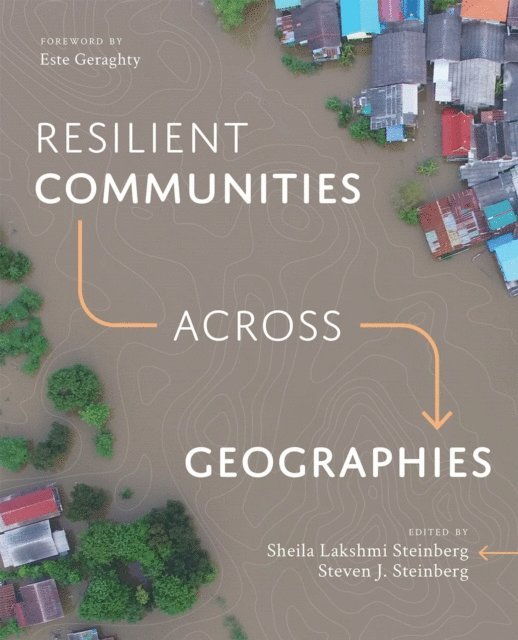
    Resilient Communities across Geographies

    AvSheila Lakshmi Steinberg,Steven J. Steinberg

    Häftad, Engelska, 2021

    503 kr

    Beställningsvara. Skickas inom 5-8 vardagar. Fri frakt över 249 kr.

    Beskrivning

    What makes a community resilient? How do we ensure its sustainable future?Resilience—the unique ability to positively adapt to changing physical and social environments—is essential for populations of all sizes and locales in today's world of unexpected changes and increasing instances of environmental change. Communities around the globe possess unique combinations of culture, skills, and abilities in context of unique built and natural environments. Identifying and mapping community strengths and resources facilitates effective planning for where and how to focus and manage their unique cultures and characteristics.Resilient Communities across Geographies is a collection of case studies examining the application of geographic information systems (GIS) to environmental and socioeconomic challenges for analysis, planning, and, ultimately, more resilient communities. Each chapter discusses a spatially driven approach to challenges in geography, social sciences, landscape architecture, urban planning, environmental studies, sociology, economics, migration, community development, meteorology, oceanography, and other fields.Examples explore both the natural and cultural contexts of climate adaptation in built environments and cultural impacts in a diversity of communities. These include the Martu people of Australia, First Nation youth in Canada, and cultural diversity of indigenous Los Angeles to California farmworkers facing exposure to agricultural chemicals in their communities. Each example applies powerful GIS tools and analysis to document, support, and assess resilience across these unique geographies while recognizing the value and strength which lies in the diversity of the people who live there.The stories shared within Resilient Communities across Geographies help readers develop an expanded sense of the power of spatial thinking, local knowledge, and engagement to address the difficult problems we collectively face in various locales.Edited by the authors of GIS Research Methods with a foreword by Esri Chief Medical Officer Este Geraghty.

    Produktinformation

    • Utgivningsdatum:2021-03-04
    • Mått:190 x 234 x 19 mm
    • Vikt:738 g
    • Format:Häftad
    • Språk:Engelska
    • Antal sidor:320
    • Förlag:ESRI Press
    • Medarbetare:Este Geraghty
    • ISBN:9781589484818

    Utforska kategorier

    • Arkitektur inom Kultur
    • Miljövetenskap och miljöpolitik inom Naturvetenskap och teknik

    Mer om författaren

    Sheila Lakshmi Steinberg is a professor of Social and Environmental Sciences at Brandman University and Chair of the GIS Committee, where she leads the university to incorporate GIS across the curriculum. Her research interests include interdisciplinary research methods, culture, community, environmental sociology, geospatial approaches, ethnicity, health policy, and teaching pedagogy.Steven J. Steinberg is the Geographic Information Officer for the County of Los Angeles, California. Throughout his career, he has taught GIS as a professor of geospatial sciences for the California State University and, since 2011, has worked as a geospatial scientist in the public sector, applying GIS across a wide range of both environmental and human contexts.Dr. Este Geraghty is the Chief Medical Officer and Health Solutions Director at Esri where she leads business development for the Health and Human Services sector.

    Innehållsförteckning

    • PrefaceChapter 1. Conceptualizing spatial resilience  Dr. Sheila Steinberg and Dr Steven J. SteinbergChapter 2. Resilience in coastal regions: the case of Georgia, USAChapter 3. Building resilient regions: Spatial analysis as a rool for ecosystem-based climate adaptationChapter 4. The mouth of the Columbia River: USACE, GIS and resilience in a dynamic coastal systemChapter 5. Urban resilience:  Neighborhood cmplexity and the importance of social connectivityChapter 6. Mapping Indigenous LAChapter 7. Indigenous Martu knowledge: Mapping place through song and storyChapter 8. Developing resiliency through place-based inquiry in CanadaChapter 9. Engaging Youth in Spatial Modes of Thought toward Social and Environmental ResilienceChapter 10. Health, Place, and Space: Public Participation GIS for Rural Community PowerChapter 11. Best Practices for Using Local KnowledgeContributorsIndex