• Fri frakt över 249 kr
  • •
  • Snabba leveranser
  • •
  • Billiga böcker
Kundservice

Du är på sajten för privatpersoner.

Företag, bibliotek eller offentlig verksamhet?

Du handlar på classic.bokus.com, där alla dina funktioner finns intakta.
Till classic.bokus.com
Bokus logotyp. Gå till startsidan.
  • Erbjudanden
  • Nyheter
  • Student
  • Topplistor
  • Barn & ungdom
  • Bokus Play
  • E-böcker
  • Pocketböcker
  • Spel & pussel

10% rabatt på allt med kod NYSTART10 →

Sidfot

Mina sidor

    Hjälp

    • Kundservice
    • Vanliga frågor och svar
    • Frakt och leverans
    • Retur vid ångerrätt
    • Reklamera vara
    • Betalning
    • Köpvillkor
    • Allmänna villkor
    • Information om webbplatsens tillgänglighet

    Om Bokus

    • Om oss
    • Pressrum
    • För studenter
    • För företag
    • För bibliotek och offentlig verksamhet
    • För leverantörer
    • Hållbarhet

    Populärt

    • Aktuella erbjudanden
    • Presentkort
    • Studentlitteratur
    • Nya böcker
    • Topplistor
    • Signerade böcker
    • Engelska böcker

    Inspiration

    • Boktips
    • BookTok
    • Populära bokserier
    • Barnbokskaraktärer
    • Populära författare
    Logotyp för Bokus
    Följ oss på Facebook (extern länk)Följ oss på Instagram (extern länk)Följ oss på YouTube (extern länk)Följ oss på TikTok (extern länk)
    bokus @ CookiesAnpassa cookiesIntegritetspolicyKöpvillkor
    Till Citymail hemsida (extern länk)Till Budbee hemsida (extern länk)Till Postnord hemsida (extern länk)Till Schenker hemsida (extern länk)Till Early Bird hemsida (extern länk)Till Walleys hemsida (extern länk)
    1. Medicin
    2. Omvårdnad och medicinska stödfunktioner
    3. Omvårdnad

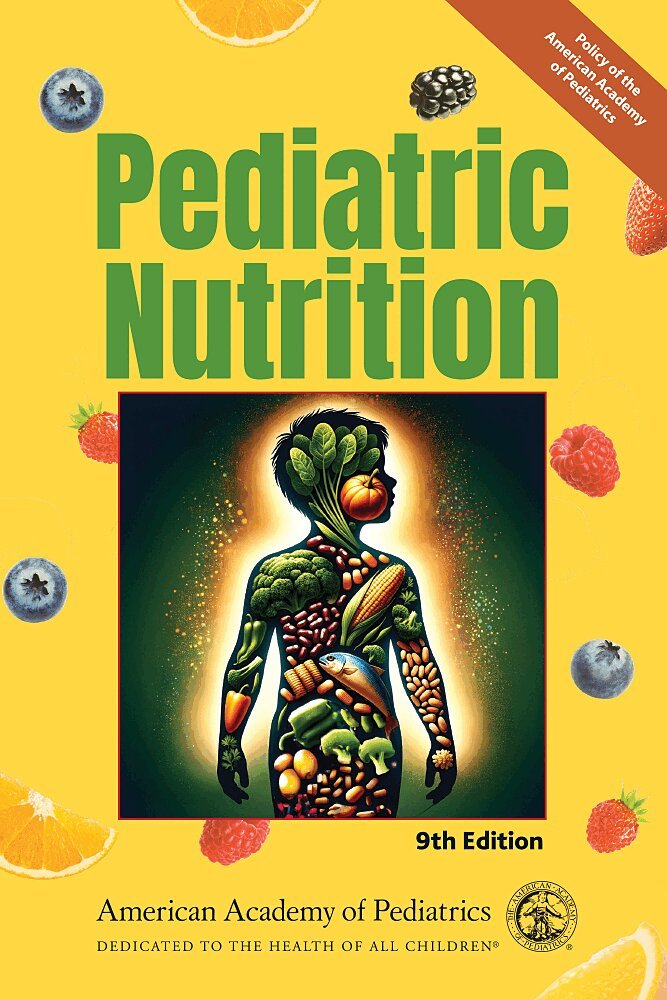
    Pediatric Nutrition

    AvFrank R. Greer,Steven A. Abrams

    Häftad, Engelska, 2025

    1 700 kr

    Beställningsvara. Skickas inom 5-8 vardagar. Fri frakt över 249 kr.

    Beskrivning

    Significantly revised and updated by more than 100 contributors, the ninth edition provides the latest evidence-based guidance on the full spectrum of nutrition issues for newborns, infants, children and adolescents.Constituting the authoritative AAP policy on pediatric nutrition, topics covered include nutritional guidance for all pediatric age groups; micronutrients and macronutrients; nutrient delivery systems; nutrition issues relating to a wide rang of acute and chronic illnesses; and public health issues such as food insecurity, federal regulation, and food safety.  New in the 9th EditionSustainability Organic Foods GMOs Revamped guidance on obesity, reflecting the latest AAP policy statement Topics include:Nutrient-Gene Intreractions Feeding the Infant Feeding the Child and Adolescent Micronutrients and Macronutrients Nutrient Delivery Systems Nutrition in Acute and Chronic Illness Nutrition and Public Health

    Produktinformation

    • Utgivningsdatum:2025-01-15
    • Mått:152 x 229 x undefined mm
    • Vikt:2 018 g
    • Format:Häftad
    • Språk:Engelska
    • Antal sidor:1 744
    • Upplaga:9
    • Förlag:American Academy of Pediatrics
    • ISBN:9781610027694

    Utforska kategorier

    • Omvårdnad inom Medicin
    • Folkhälsa och hälsopedagogik inom Medicin
    • Pediatrik inom Medicin

    Mer om författaren

    Frank Greer, MD, FAAP is an emeritus professor of pediatrics and nutritional science at the University of Wisconsin-Madison School of Medicine. Board certified in pediatrics and neonatal-perinatal medicine, he earned his medical degree from the University of Pennsylvania, and he completed his residency and fellowship at Children's Hospital Medical Center in Cincinnati.  He was a member (and past chairman) of the American Academy of Pediatrics Committee on Nutrition, and he has served for many years on the Executive Committee of the International Society for Research in Human Milk and Lactation. Doctor Greer has published numerous articles on pediatric nutrition, and he has served as an editorial board member for pediatric and nutrition journals , and is co- editor of the AAP’s Pediatric Nutrition Handbook.  He has served on numerous national committees involving nutrition of both term and preterm infants.  Dr. Greer has published many papers nutritional requirements of breastfeeding infants and lactating mothers, including calcium, phosphorus, vitamin D, and iron.  Many of these required breast milk analysis in his laboratory.Steven Abrams, MD, FAAP, is a professor of pediatrics at the University of Texas at Austin and is a practicing neonatologist. He is board certified in pediatrics and neonatal-perinatal medicine. He earned his medical degree from the Ohio State University College of Medicine and completed his pediatric residency at Akron Children’s Hospital and his fellowship at Baylor College of Medicine in Houston.  He was a member (and past chairman) of the American Academy of Pediatrics Committee on Nutrition and is currently the Editor-in-Chief of Advances in Nutrition: An International Review Journal, published by the American Society for Nutrition. He has recently served on several National Academies of Science and Medicine panels related to infant nutrition. He has published over 350 peer-reviewed articles largely related to childhood nutrition, especially mineral requirements and preterm nutrition.

    Innehållsförteckning

    • Introduction  Part I. Nutrient-Gene InteractionsChapter 1. Nutrition for the 21st Century: Integrating Nutrigenetics, Nutrigenomics, and Microbiomics  Part II. Feeding the InfantChapter 2. Development of Gastrointestinal FunctionChapter 3. BreastfeedingChapter 4. Formula Feeding of Term InfantsChapter 5. Nutritional Needs of the Preterm InfantChapter 6. Complementary Feeding  Part III. Feeding the Child and AdolescentChapter 7. Feeding the Young ChildChapter 8. Adolescent NutritionChapter 9. Nutrition in School, Preschool, and Child CareChapter 10. The Global Burden of Pediatric Undernutrition and MalnutritionChapter 11. Nutritional Aspects of Vegetarian DietsChapter 12. Sports NutritionChapter 13. Fast Foods and Fad Diets, Including Herbal Products and Botanicals  Part IV. Micronutrients and MacronutrientsChapter 14. ProteinChapter 15. Carbohydrate and Dietary FiberChapter 16. Fats and Fatty AcidsChapter 17. Calcium, Phosphorus, and MagnesiumChapter 18. IronChapter 19. Trace ElementsChapter 20. Vitamins  Part V. Nutrient Delivery SystemsChapter 21. Parenteral Nutrition in Children and AdolescentsChapter 22. Enteral Feeding for Nutritional Support in Children and Adolescents  Part VI. Nutrition in Acute and Chronic IllnessChapter 23. Assessment of Nutritional Status in Children and AdolescentsChapter 24. Feeding and Swallowing Disorders in Infants and ChildrenChapter 25. Malnutrition, Undernutrition, and Failure to ThriveChapter 26. Nutrition and Pediatric Diarrheal DiseaseChapter 27. Nutrition in Children With Inborn Errors of MetabolismChapter 28. Nutrition Therapy for Children and Adolescents With Type 1 and Type 2 DiabetesChapter 29. Nutrition in Children With DyslipidemiaChapter 30. Pediatric ObesityChapter 31. Food Allergy in ChildrenChapter 32. Nutritional Support of Children With Developmental DisabilitiesChapter 33. Nutrition of Children Who Are Critically IllChapter 34. Eating Disorders in Children and AdolescentsChapter 35. Nutrition for Children With Sickle Cell Disease and ThalassemiaChapter 36. Nutritional Management of Children With Renal DiseaseChapter 37. Nutritional Management of Children With CancerChapter 38. Nutrition in Management of Chronic Autoimmune Inflammatory Bowel Disease in ChildrenChapter 39. Nutrition in Children With Liver DiseaseChapter 40. Cardiac DiseaseChapter 41. Nutrition in Children With Short Bowel SyndromeChapter 42. Nutrition in Cystic FibrosisChapter 43. Nutrition and Oral Health in Children  Part VII. Nutrition and Public HealthChapter 44. Sustainability, Organic Foods, GMOs, and Food SafetyChapter 45. Preventing Food Insecurity: Available Community Nutrition ProgramsChapter 46. Federal Regulation of Foods and Infant Formulas, Including Addition of New Ingredients: Food Additives and Substances Generally Recognized as SafeChapter 47. Federal Regulation of Food LabelingChapter 48. Food Safety: Infectious DiseaseChapter 49. Food Safety: Pesticides, Industrial Chemicals, Toxins, Antimicrobials, Preservatives, Irradiation, and Food Contact Substances  AppendixesAppendix A. Composition of Human MilkAppendix B. Infant Formula RegulationsAppendix C. Increasing Caloric Density of Infant FormulasAppendix D. Dietary Recommended IntakesD-1: Recommended IntakesD-2: Recommended Tolerable Upper IntakesAppendix E. Selected Nutrient Content of Foods From USDA National Nutrient DatabaseAppendix F. MyPlateAppendix G. Growth Charts