• Fri frakt över 249 kr
  • •
  • Snabba leveranser
  • •
  • Billiga böcker
Kundservice

Du är på sajten för privatpersoner.

Företag, bibliotek eller offentlig verksamhet?

Du handlar på classic.bokus.com, där alla dina funktioner finns intakta.
Till classic.bokus.com
Bokus logotyp. Gå till startsidan.
  • Erbjudanden
  • Nyheter
  • Student
  • Topplistor
  • Barn & ungdom
  • Bokus Play
  • E-böcker
  • Pocketböcker
  • Spel & pussel

10% rabatt på allt med kod: NYSTART10 →

Sidfot

Mina sidor

    Hjälp

    • Kundservice
    • Vanliga frågor och svar
    • Frakt och leverans
    • Retur vid ångerrätt
    • Reklamera vara
    • Betalning
    • Köpvillkor
    • Allmänna villkor
    • Information om webbplatsens tillgänglighet

    Om Bokus

    • Om oss
    • Pressrum
    • För studenter
    • För företag
    • För bibliotek och offentlig verksamhet
    • För leverantörer
    • Hållbarhet

    Populärt

    • Aktuella erbjudanden
    • Presentkort
    • Studentlitteratur
    • Nya böcker
    • Topplistor
    • Signerade böcker
    • Engelska böcker

    Inspiration

    • Boktips
    • BookTok
    • Populära bokserier
    • Barnbokskaraktärer
    • Populära författare
    Logotyp för Bokus
    Följ oss på Facebook (extern länk)Följ oss på Instagram (extern länk)Följ oss på YouTube (extern länk)Följ oss på TikTok (extern länk)
    bokus @ CookiesAnpassa cookiesIntegritetspolicyKöpvillkor
    Till Citymail hemsida (extern länk)Till Budbee hemsida (extern länk)Till Postnord hemsida (extern länk)Till Schenker hemsida (extern länk)Till Early Bird hemsida (extern länk)Till Walleys hemsida (extern länk)
    1. Kultur
    2. Scenkonst och film
    3. Film

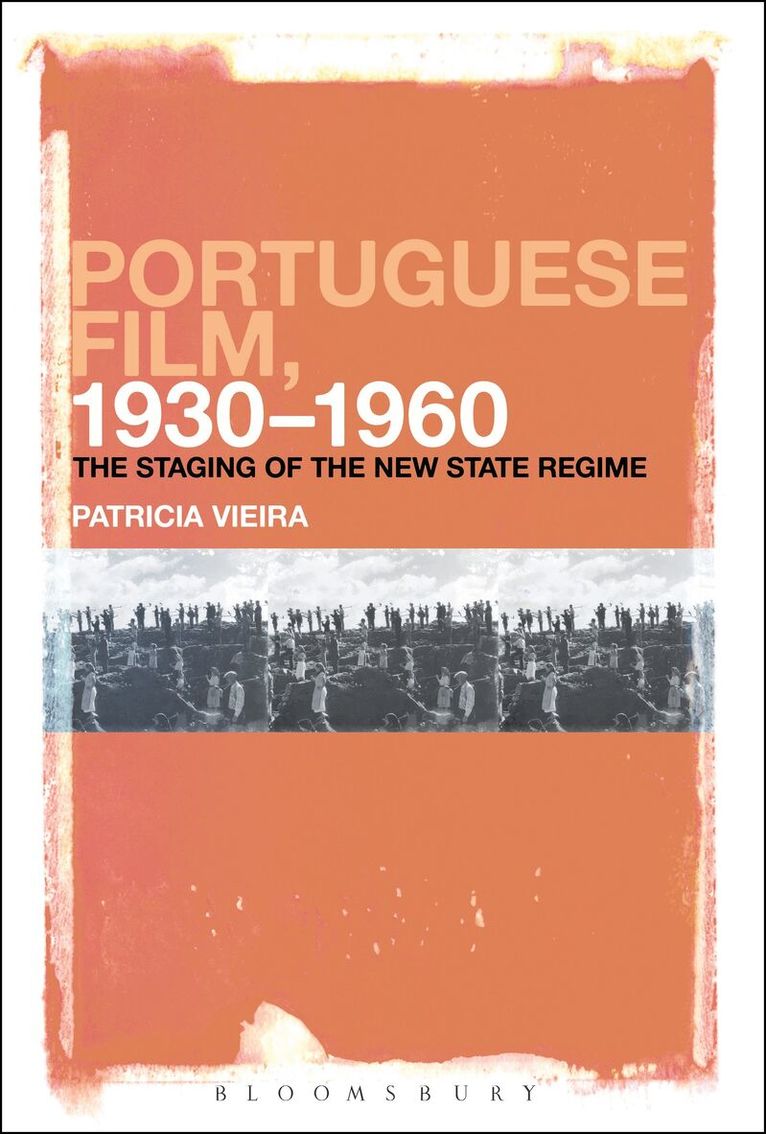
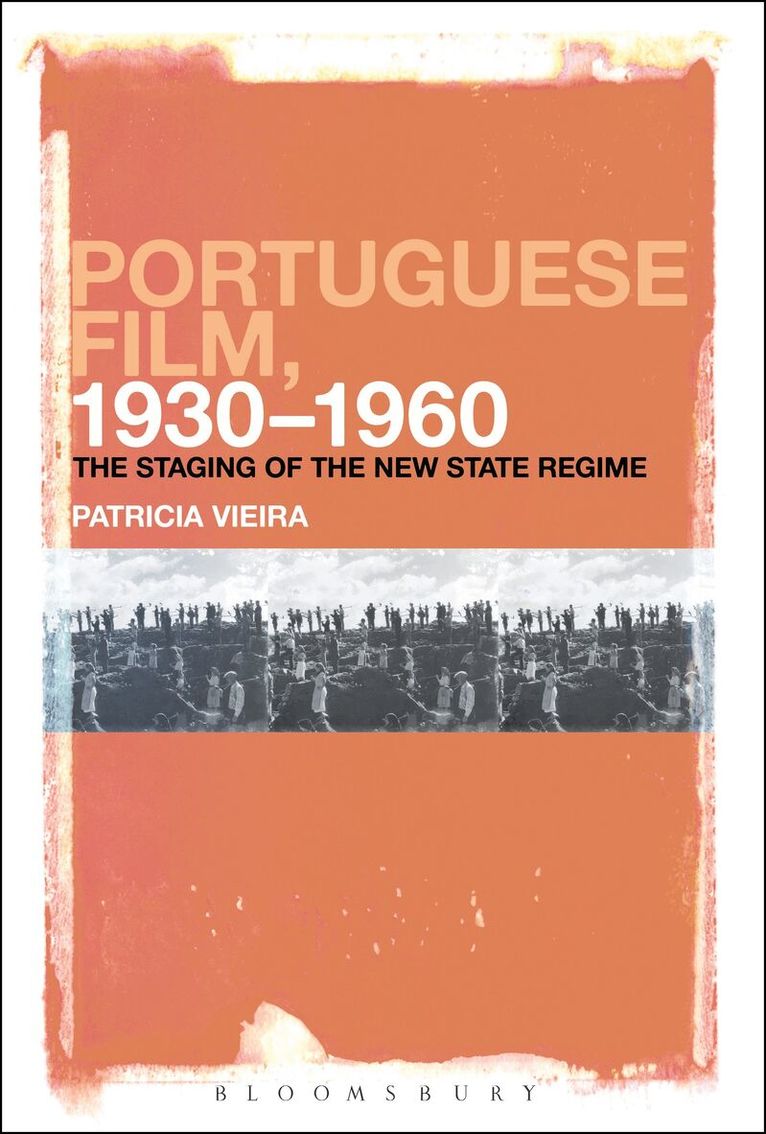
    Portuguese Film, 1930-1960

    The Staging of the New State Regime

    AvPatricia Vieira

    E-bok
    Engelska, 2013

    625 kr

    Läs direkt i Bokus Reader – eller ladda ned till din enhet

    Fler format och utgåvor

    Häftad

    582 kr

    Inbunden

    2 070 kr

    E-bok

    625 kr

    Beskrivning

    Portuguese Film, 1930-1960: The Staging of the New State Regime provides groundbreaking analysis of Portuguese feature films produced in the first three decades of the New State (Estado Novo), a right-wing totalitarian regime that lasted between 1933 and 1974. These films, sponsored by the National Propaganda Institute (Secretariado Nacional de Propaganda), convey a conservative image of both mainland Portugal and the country's overseas African colonies (Angola, Mozambique, Cape Verde, Guinea-Bissau and St. Thomas and Principe). The films about the mainland emphasize traditional values, the importance of obedience to authorities and a strict division of gender roles, whereby women are relegated to the domestic sphere. The Portuguese countryside, where age-old customs and a strong social hierarchy prevailed, is presented in these movies as a model for the rest of the country. The films about the colonies, in turn, underline the benefits of the Portuguese presence in Africa and portray the colonized as docile subjects to Portuguese rule. The book includes chapter summaries in the introduction, in-depth analyses of the most important Portuguese films produced between 1930 and 1960, a discussion of the main topics of Portuguese cinema from the New State, and a comprehensive bibliography that guides students who wish to read further on a specific topic. First published in Portuguese to wide acclaim, Portuguese Film, 1930-1960: The Staging of the New State Regime fills a gap in English-language scholarship on the history of the national cinema of the Iberian peninsula. Films covered include Fatima, Land of Faith (Terra de Fe), Spell of the Empire (Feitico do Imperio), and Chaimite.
    Produktinformation

    • Utgivningsdatum:2013-08-29
    • Språk:Engelska
    • Antal sidor:272
    • Filformat:EPUB
    • Kopieringsskydd:LCP
    • ISBN:9781623567354
    • Förlag:Bloomsbury Publishing PLC (Digital)

    Utforska kategorier

    • Film inom Kultur

    Mer om författaren

    Patricia Vieira is Assistant Professor in the Department of Spanish and Portuguese, in the Comparative Literature Program, and in the Film and Media Studies Program of Georgetown University, Washington, USA.

    Recensioner i media

    This book is a major achievement, but it is difficult. Most readers will be intimidated: they will not know the films; the films are not very good ('too heavily invested in disseminating the values of the regime'); and few readers have the history of Portugal at their fingertips. Vieira (Georgetown) puts Salazar in the Mussolini/Hitler category. Hideous aspects of cruel tyranny mark every regime-approved film. Salazar, the ruler of Portugal's so-called New State, wanted to combat lies, error, slander, and ignorance. See the film A Revolução de Maio, or The May Revolution (1937). He believed that good rural life, agriculture, is humanity's call (A Canção de Terra, or The Song from the Earth, 1938). Virtuous women (i.e., women obedient to men) are the foundation of society. The Portuguese are spiritual (Fátima Terra de Fé, Fatima, Land of Faith, 1943). What about colonies?They are necessary, democratic, and Christian (Feitiço do Império, Spell of Empire, 1940). Colonizing is spiritual, protective, civilizing (Chaimite, 1953). The best supplement to this intensity study is not a history of Portuguese movies, but a consideration of propaganda, like Toby Clark's Art and Propaganda in the Twentieth Century: The Political Image in the Age of Mass Culture (1997). Summing Up: Highly recommended. Graduate students, researchers, faculty.--

    Innehållsförteckning

    • AcknowledgementsIntroduction: Cinema in the New State 1. Propaganda in the New State: The May Revolution (A Revolução de Maio)1.1. Propaganda in Portuguese Cinema1.2. Salazar's Truth as Ideology1.3. The Primacy of Art: António Ferro's Politics of the Spirit1.4. The Staging of the Leader2. Poets on the Silver Screen: Bocage, Camões, and the Heroes of the Regime2.1. Literature and Film in the Politics of the Spirit2.2. The Heroes of the New State2.3. Against Political Inconstancy: The Hero as a Serious Man3. Rural Life in Cinema: In Defense of a Natural Society2.1. Regional and Folkloric Films2.2. A Natural Cinema2.3. The Countryside and the City2.4. Capitalism, Communism, Corporatism4. The Miracle of Salazarism: Fátima, Land of Faith (Fátima, Terra de Fé)4.1. Fátima in the New State4.2. Reason, Faith and Politics in Film4.3. Balancing Reason and Religion4.4. Beyond Reason and Faith: The Danger of Nihilism5. Gender Stereotypes in New State Cinema5.1. Women in New State Films5.2. Singing as a Transgression5.3. Fado, Fatalism and the Portuguese Femme Fatale6. The Empire as Fetish: Spell of the Empire (Feitiço do Império)6.1. Portugal and its Colonies6.2. The Magic of Africa6.3. The Empire as a Fetish 6.4. Spell of the Empire and Colonial Propaganda7. The Spirit of the Empire in Chaimite7.1. Spirituality and Materiality in Salazarism7.2. The Spirit of Portuguese Colonization7.3. The Politics of the Spirit in ChaimiteEpilogue: New State Cinema TodayBibliographyIndex