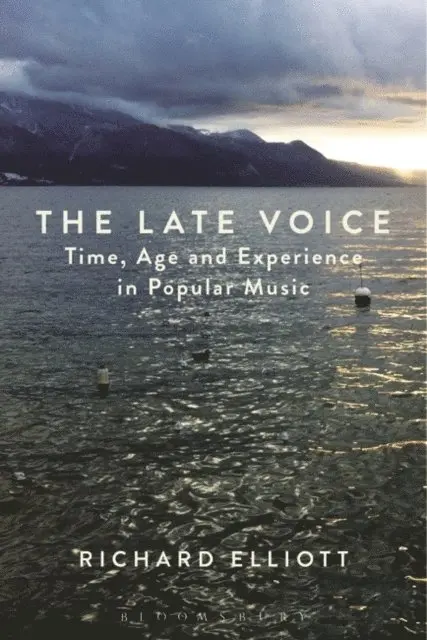
E-bok, Engelska, 2015
Late Voice
Time, Age and Experience in Popular Music
626 kr
Läs direkt i Bokus Reader – eller ladda ned till din enhet (PDF kräver ofta zoom och scroll på små skärmar).
Fler format och utgåvor
Beskrivning
Produktinformation
- Utgivningsdatum: 2015-10-22
- Språk: Engelska
- Antal sidor: 320
- Filformat: PDF
- Kopieringsskydd: LCP
- ISBN: 9781628920833
- Förlag: Bloomsbury Publishing PLC (Digital)
Utforska kategorier
Mer om författaren
Richard Elliott is Senior Lecturer in Music at Newcastle University, UK. He is the author of Fado and the Place of Longing (2010).
Recensioner i media
Elliott (popular music, Univ. of Sussex, UK) has written a complex analysis of 'the late voice' of a number of musicians. The first chapter, "Time, Age, Experience, and Voice," is analytical, drawing on numerous theoretical studies. In chapter 2, Elliot provides an interesting discussion of Ralph Stanley, known now for his performance of “O Death” in the film O Brother, Where Art Thou? (2000) but whose country music recording career began in the 1940s. Elliott places Stanley within the southern musical tradition of 'cultural isolation that preserved the old ways and the old songs and that projected the region onto the national imaginary as a place of backwardness.' Subsequent chapters discuss a variety of performers -Frank Sinatra, Leonard Cohen, Bob Dylan, Joni Mitchell, Neil Young, Judy Collins-focusing on the substance and meaning of their songs and providing some biographical background. In his conclusion, Elliott writes that his aim in writing the book was 'not so much to remove value from the metaphysics of age but to locate it at various points in the life course.' Summing Up: Recommended. Upper-division undergraduates through faculty.
Betyg & recensioner
0 recensioner
Inga recensioner tillgängliga.