
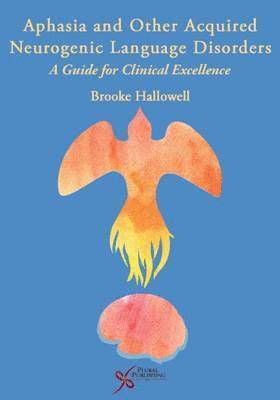
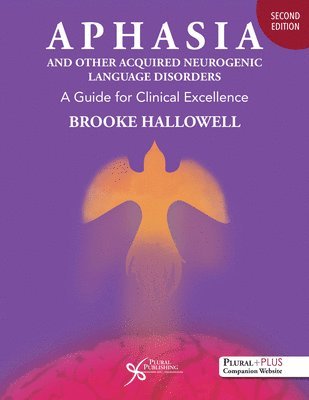
Aphasia and Other Acquired Neurogenic Language Disorders
A Guide for Clinical Excellence
2 327 kr
Kommande
Fler format och utgåvor
Beskrivning
Aphasia and Other Acquired Neurogenic Language Disorders: A Guide for Clinical Excellence, Third Edition continues to set the standard for graduate-level education and guidance for clinicians in neurogenic communication disorders, bridging rigorous science with deeply human, person-centered care. Grounded in evidence and shaped by decades of clinical, research, and teaching expertise, this comprehensive text equips future and practicing speech-language pathologists to become thoughtful, skilled, and transformative clinicians.Designed with students and clinicians in mind, this edition offers a cohesive voice that integrates diverse theoretical perspectives from well over 2,000 references while maintaining clarity, consistency, and clinical relevance across topics. Its flexible organization supports a range of course structures from aphasia-focused classes to broader neurogenic communication disorders sequences, making it an adaptable cornerstone text across curricula.With its unwavering commitment to life participation, cultural responsiveness, and global perspectives, this text prepares readers to support individuals with neurogenic communication disorders in reclaiming identity, agency, and meaningful engagement in life.New to the Third EditionFresh updates highlighting evidence-based person-first approaches to clinical practice and research Dynamic learning methods woven into the composition of each chapter, with colorful images integrated throughoutHeightened foci on engaged, transformational learning with the goal of clinical excellenceAmplified content on mental health, counseling, group treatment, telepractice, new technologies, and artificial intelligenceUpdated and strengthened emphasis on culturally responsive practice, inclusive terminology, and actionable approaches to diversity, equity, and inclusionVital updates on dementia, primary progressive aphasia, aging, and apragmatismIntegrated voices of people with neurogenic communication disorders to bring life to academic contentKey FeaturesExtensive assessment resources and a process analysis approach for analyzing communicative performance and interpreting assessment resultsHow-to content on more than 60 intervention approachesDiagrams, charts, illustrations, summary tables, a substantial glossary, rich up-to-date references, and a detailed indexContent design applying adult learning research to maximize deep learningPluralPlus Online Ancillaries For instructors: Instructor’s Guide, PowerPoint Slides, Test Bank, Class ActivitiesFor students: Quizzes, Videos, Activities/Exercises, Chapter Queries, Terminology List, Term Pronunciation
Produktinformation
- Utgivningsdatum:2026-10-22
- Mått:216 x 279 x 27 mm
- Vikt:1 093 g
- Format:Häftad
- Språk:Engelska
- Serie:PLURAL PUBLISHING
- Antal sidor:475
- Upplaga:3
- Förlag:Plural Publishing Inc
- ISBN:9781635508208
Utforska kategorier
Mer om författaren
Brooke Hallowell, PhD, CCC-SLP, brings to this book more than 30 years of clinical, research, teaching, and advocacy experience to support adults with acquired neurogenic communication challenges. She serves on boards and committees of several national and international organizations, including Aphasia Access, Aphasia Recovery Connection, the National Aphasia Association, the Academy of Neurologic Communication Disorders and Sciences, and the American Speech-Language-Hearing Association (ASHA). She is a founding representative of the World Rehabilitation Alliance (WRA), a component of the World Health Organization (WHO) in Geneva, Switzerland. She is an active consultant to the WHO, and she recently chaired ASHA’s committee on ethics in global engagement. She is also an editorial board member and reviewer for many scholarly journals and granting agencies.Hallowell has garnered over $18 million in funded grants, with extramural support from such agencies as the National Institutes of Health, the National Science Foundation, and the Health Resources Service Administration. She has mentored and supported others in winning more than $262 million in gifts, grants, and contracts. She is a pioneer in the use of eyetracking and pupillometry to study complex diagnostic issues related to cognition and language in adults with neurological disorders, and holds U.S. and international patents on related technology. Additionally, she has long been active in interdisciplinary research and advocacy related to aging and end-of-life care, support for caregivers of adults with disabilities, and technology to aid people with disabilities.A former president of the Council of Academic Programs in Communication Sciences and Disorders (CAPCSD), Hallowell chaired the first-ever Global Summit on Higher Education in Communication Sciences and Disorders and is deeply engaged in helping to foster new academic and clinical programs, emphasizing cultural responsiveness and investment in local expertise, especially in underserved regions of the world. She has held appointments at universities in Korea, Malaysia, and Honduras, and is involved in academic and clinical collaboration in Brazil, Cambodia, China, Honduras, India, the Philippines, Russia, and Vietnam. A recipient of ASHA Honors of the Association and a Fellow of ASHA, Hallowell is also the recipient of the CAPCSD Honors of the Council, the Asia Pacific Society in Speech-Language-Hearing Association Outstanding Contribution Award, and the ASHA Certificate of Recognition for Outstanding Contributions in International Achievement. She is a former Fulbright Fellow, and U.S. national finalist for the Thomas Ehrlich Award for Service Learning.Hallowell is president of Brain Empowerment, LLC, and previously served as dean and professor for the School of Health Sciences at Springfield College. She was executive director of the Collaborative on Aging, associate dean for Research and Sponsored Programs in the College of Health and Human Services; director of the School of Hearing, Speech and Language Sciences; director of the Neurolinguistics Laboratory; founding codirector of the Global Health Initiative; founding coordinator of the Diabetes Research Initiative; and codirector of the Appalachian Rural Health Institute at Ohio University. Passionate about interdisciplinary collaboration, she has held adjunct and affiliate appointments in family medicine, neurology, biomedical engineering, gerontology, and Asian studies. Her career history also includes employment as a professional musician, interpreter/translator, and French instructor. She holds an AB (magna cum laude) from Brown University, an MS from Lamar University, a Certificat d’Etudes Supérieures from the Conservatoire National de France, and a PhD from the University of Iowa.Fortifying her scientifically based clinical and research roles, Hallowell is a practitioner of relationship empowerment, appreciative inquiry, restorative practices, hypnosis, and applied improvisation. Having had selective mutism as a child and having been an extremely shy person into young adulthood, she entered the realm of clinical aphasiology with a personal connection to those who have important things to say but are not able to express them fully. Being the mother of a child who survived a severe traumatic brain injury and is now a thriving and extremely competent adult, she has firsthand knowledge about what it is that people need and want throughout the course of rehabilitation. According to Hallowell, these experiences are a large part of what drives her passion to help clinicians and clinicians-in-training focus not only on gaining clinical knowledge and skills but also on wisdom, compassion, humility, and other characteristics that will propel them to become ultimate excellent clinicians.
Recensioner i media
Select Guide Rating
Innehållsförteckning
- ContentsWhat Is Special About This BookAbout the Book CoverAcknowledgmentsAbout the AuthorSection I. Welcome and IntroductionChapter 1. Welcome to the Fantastic World of Research and Clinical Practice in Acquired Neurogenic Communication DisordersWhat Are Acquired Cognitive-Linguistic Disorders?Which Neurogenic Communication Disorders Are Not Acquired Language Disorders?What Is Clinical Aphasiology?What Is So Fantastic About the World of Neurogenic Communication Disorders?We Work With Wonderful People and Become Part of Their Rich Life StoriesWe Are Catalysts for Positive ChangeWe Enjoy Empowerment of Others Through Advocacy and LeadershipWe Enjoy a Great Deal of Humor and FascinationWe Enjoy Fantastic Local and Worldwide NetworksOur Work Is Multicultural and MultilingualWe Are Lifelong LearnersWe Tap Into Our Most Scientific and Our Most Creative Selves at the Same TimeWe Have Rich Career OpportunitiesWhat Disciplines Are Relevant to Aphasia and Related Disorders?What Is Known About the Incidence and Prevalence of Acquired Neurogenic Language Disorders?Where Do Aphasiologists Work?What Is the Career Outlook for Professionals Specializing in This Area?Learning and Reflection ActivitiesChapter 2. Becoming the Ultimate Excellent ClinicianWhat Makes a Clinician Truly Excellent?What Can One Do to Become an Excellent Clinical Aphasiologist?How Do the People We Serve Characterize What They Most Want?What Are Some Traits of Clinicians Who Are Perceived as Unhelpful?What Content Is Important to Master?What Credentials Are Required for a Career as an Aphasiologist?What Credentials May Aphasiologists Earn Beyond Their Basic Academic and Clinical Credentials?Is It Best to Specialize or Generalize?What Strategies Help Boost Career Development in Acquired Cognitive-Linguistic Disorders?What Organizations Support Professional Information Sharing and Networking Among Clinical Aphasiologists?Learning and Reflection ActivitiesChapter 3. Writing and Talking About the People With Whom We WorkWhat Is Important to Consider in Writing and Talking About People With Neurogenic Cognitive-Linguistic Disorders?Person-First LanguageAlternatives to the Word PatientPeople With DisabilitiesResearch ParticipantsOlder PeopleHealthy AdultsNeurotypical PeopleWhat Are Important Nuances in Terms We Use to Refer to People Who Care for People With Neurogenic Cognitive-Linguistic Disorders?What Is the Difference Between the Terms Therapy and Treatment?What Are Pros and Cons of Terms Used to Refer to SLPs?What Are the Preferred Terms When Referring to the Experts Who Work With People Who Have Neurogenic Communication Challenges?What Is Important to Keep in Mind Regarding Inclusive and Welcoming Language?What Other Terms Might Unintentionally Convey Negative Connotations?Why Are There Inconsistencies in the Prefixes Used in Terms for Characterizing Neurogenic Symptoms, and What Is the Rationale for Varied Prefix Choices?Learning and Reflection ActivitiesSection II. Foundations for Considering Acquired Neurogenic Language DisordersChapter 4. Defining and Conceptualizing AphasiaWhat Is a Good Way to Define Aphasia?Aphasia Is AcquiredAphasia Has a Neurological CauseAphasia Affects Reception and Production of Language Across ModalitiesAphasia Is Not a Speech, Intellectual, Sensory, or Psychiatric DisorderHow Have Established Aphasiologists Defined Aphasia?What Are the Primary Frameworks for Conceptualizing Aphasia?Unidimensional FrameworksMultidimensional FrameworksMedical FrameworksCognitive Neuropsychological, Psycholinguistic, and Neurolinguistic FrameworksBiopsychosocial FrameworksSocial FrameworksSocial Determinants of Health FrameworksOther Historically Relevant FrameworksHow Does One Choose a Preferred Framework for Conceptualizing Aphasia?How Are the Frameworks for Conceptualizing Aphasia Relevant to Other Neurogenic Language Disorders?Learning and Reflection ActivitiesChapter 5. The WHO ICF, Human Rights Perspectives, and Life Participation ApproachesWhat Is the WHO ICF?How Is the WHO ICF Relevant to Ethics and Human Rights?How Is the WHO ICF Specifically Relevant to Intervention and Research in Rehabilitation?How Is the WHO ICF Specifically Relevant to People With Neurogenic Language Disorders?Learning and Reflection ActivitiesChapter 6. Etiologies of Acquired Neurogenic Language DisordersWhat Is a Stroke?What Are Stroke Risk Factors, and What Causes Stroke?What Are the Physiological Effects of Stroke?How Crucial Is Timing for Medical Treatment After a Stroke?How Is the Sudden Onset of Stroke Relevant to Supporting Patients and Families?What Is a Transient Ischemic Attack?What Is Hypoperfusion?What Can Be Done to Prevent Stroke?Attending to Stroke TriggersWhat Is TBI?What Are Blast Injuries?What Are Concussion and Mild TBI?What Is Chronic Traumatic Encephalopathy?What Can Be Done to Prevent TBI?What Are Bacteria and Viruses?What Other Types of Infections Affect Cortical Function?What Is Neoplasm?What Is Toxemia?What Are Diabetes Mellitus and Diabetic Encephalopathy?What Is Metabolic Syndrome?What Other Metabolic Disorders Cause Encephalopathy?What Is Neurodegenerative Disease?What Is Dementia and Major Neurocognitive Disorder?What Is Mild Cognitive Impairment?What Is Primary Progressive Aphasia?What Can Be Done to Slow or Reduce the Risk of Cognitive Decline?What Are Some Special Challenges in Identifying Etiologies of Cognitive-Linguistic Disorders?Learning and Reflection ActivitiesChapter 7. Neurophysiology and Neuropathology of Acquired Neurogenic Language DisordersWhat Should SLPs Know About Neuroanatomy and Neurophysiology Associated With Neurogenic Cognitive-Linguistic Disorders?What Are Key Neurophysiological Principles Pertinent to Acquired Cognitive-Linguistic Disorders?Specialization of Structure and FunctionInterconnectivity Throughout the BrainThe Brain's PlasticityWhat Is the Most Clinically Pertinent Knowledge an Aphasiologist Should Have About the Blood Supply to the Brain?What Factors Affect a Person's Prognosis for Recovery From a Stroke or Brain Injury?Why Is It Important for Clinical Aphasiologists to Know About the Visual System?What Aspects of the Visual System Are Most Relevant to People With Neurogenic Cognitive-Linguistic Disorders?Anatomy and Physiology Associated With Visual DeficitsHow Are Visual Field Deficits Characterized?What Are Ocular Motor Deficits?What Are Visual Attention Deficits?What Are Higher Level Visual Deficits?What Aspects of the Neurophysiology of Hearing Are Most Relevant to People With Neurogenic Language Disorders?Learning and Reflection ActivitiesSupplemental Review of Neuroanatomy Related to AphasiologySupplemental Review of Blood Supply to the BrainSupplemental Review of the Visual SystemSupplemental Review of the Auditory SystemChapter 8. Neuroimaging and Other Neurodiagnostic InstrumentationWhat Are the Most Relevant Neuroimaging Techniques for Aphasiologists to Know About?Computed Axial TomographyMagnetic Resonance ImagingPositron Emission Computed TomographySingle Photon Emission Computed TomographyFunctional Near-Infrared SpectroscopyCerebral AngiographyWhat Other Neurodiagnostic Methods Are Important for Aphasiologists to Know About?ElectroencephalographyElectrocorticographyAdditional MethodsLearning and Reflection ActivitiesChapter 9. Aging, Which Is Not a Disorder, and Its Relevance to AphasiologyWhat Is Aging?What Are Key Theories About Aging That Are Especially Relevant to Cognition and Communication?What Is Aging Well?How Are Demographic Shifts in Aging Populations Relevant to SLPs?What Are Normal Changes in the Brain as People Age?What Are Positive Aspects of the Aging Brain?MemoryWord FindingSyntactic ProcessingReading and WritingDiscoursePragmaticsWhat Are General Guidelines for Differentiating Normal From Impaired Language in Older Adults?What Theories Have Been Proposed to Account for Cognitive-Linguistic Changes With Aging?Resource Capacity TheoriesWorking Memory TheoriesContext-Processing Deficiency TheoriesSignal Degradation TheoriesTransmission Deficit TheoriesSpeed-of-Processing TheoriesInhibition TheoriesWhat Can Be Done to Ensure the Best Preservation of Language Abilities as People Age?What Is Elderspeak, and How Can We Raise Awareness About It?What Sensitivities Related to Ageism Are Important for SLPs to Demonstrate?Learning and Reflection ActivitiesSection III. Features, Symptoms, and Syndromes in the Major Categories of Cognitive-Linguistic DisordersChapter 10. Syndromes and Hallmark Characteristics of AphasiaHow Are the Types of Aphasia Classified?What Are the Classic Syndromes of Aphasia, and What Are the Hallmark Characteristics of Each?Expressive–Receptive, Nonfluent–Fluent, and Anterior–Posterior DichotomiesClassic Aphasia ClassificationWernicke's AphasiaBroca's AphasiaGlobal AphasiaConduction AphasiaTranscortical Sensory AphasiaTranscortical Motor AphasiaMixed Transcortical AphasiaWhat Is Primary Progressive Aphasia?What Other Syndromes of Aphasia Are There, and What Are Their Characteristics?Crossed AphasiaSubcortical AphasiaAnomic AphasiaLatent AphasiaHow Might Dyslexia and Dysgraphia Be Conceptualized as Symptoms Versus Syndromes?What Are Limitations of Classification Systems Based on Relationships Between Function and Neuroanatomical Structures?Learning and Reflection ActivitiesChapter 11. Cognitive-Communicative Challenges Associated With Traumatic Brain InjuryWhy Is It Hard to Generalize About TBI Survivors?What Communication Symptoms Are Likely to Be Experienced by TBI SurvivorsWhat Are Special Challenges for War- and Terrorism-Related TBI Survivors?What Are Special Considerations for Clinicians Working With TBI Survivors?Scope of PracticeInterdisciplinary CollaborationAssessment ChallengesWhat Are Special Challenges Faced by TBI Survivors in Health Care Contexts?What Special Economic Considerations Affect Clinical Work With TBI Survivors?Learning and Reflection ActivitiesChapter 12. Right Hemisphere Syndrome and ApragmatismWhat Is Right Hemisphere Syndrome and What Is Apragmatism?How Can RHS Affect Communication and Life Participation?Conversation, Discourse, PragmaticsCombined Receptive and Expressive ChallengesReceptive ChallengesExpressive ChallengesAttention DeficitsMemory ChallengesExecutive Function ChallengesVisual-Perceptual ImpairmentsAuditory-Perceptual ImpairmentsReading and Writing ImpairmentsWhat Are Special Challenges That SLPs Face in Serving People With RHS?Underdiagnosis and Lack of Awareness of RHSSymptom ClassificationIdentifying Neurological Structure–Function RelationshipsCharacterizing What Is NormalWhat Are Special Challenges Faced by People With RHS in Health Care Contexts?Learning and Reflection ActivitiesChapter 13. Cognitive-Communicative Disorders in Dementia and Primary Progressive AphasiaWhat Neurodegenerative Conditions Most Commonly Affect Cognitive-Linguistic Abilities?What Communication Challenges Are Typically Associated With MCI and Dementia?What Symptoms Are Associated With Common Forms of Dementia?Alzheimer's DiseaseLATE DementiaVascular DementiaDementia With Lewy BodiesParkinson's-Associated DementiaFrontotemporal DementiaHuntington’s DiseaseKorsakoff’s SyndromeCreutzfeldt-Jakob DiseaseAIDS Dementia ComplexWhat Are Symptoms of the Primary Forms of PPA?Is There Such a Thing as “Reversible” Dementia?What Are Implications of an Incorrect Diagnosis of Dementia?What Is the Role of the SLP in Working With People Who Have PPA and Dementia?Learning and Reflection ActivitiesSection IV. Delivering Excellent ServicesChapter 14. Contexts for Providing Excellent ServicesWhat Do SLPs Who Specialize in Neurogenic Communication Disorders Do?Clinical Intervention (Screening, Assessment, Treatment, Counseling, Educating)Interprofessional Collaboration and Interdisciplinary LearningAdvocacyMarketing, Negotiating Contracts, Billing, Recordkeeping, Documentation, Scheduling and Coordinating Care, Quality Assurance, and FundraisingLeadership and ManagementResearchTeaching and MentoringIn What Types of Settings Do We Provide Clinical Services?HospitalsRehabilitation CentersHealth Maintenance OrganizationsSkilled Nursing and Long-Term Care FacilitiesContinuing Care Retirement CommunitiesHome Health AgenciesPrivate Practice and Not-for-Profit ClinicsUniversity-Based ClinicsAdult Day Care CentersAphasia CentersHospiceIn What Ways Can Services Be Provided at a Distance?With What Types of Teams Do Clinical Aphasiologists Engage?How Do SLPs Get Paid?Where Does the Money Come From to Pay for SLP Services?Government-Sponsored ProgramsHealth InsurancePrivate PayMixed Funding OptionsPhilanthropic DonationsHow Do Service-Providing Agencies Get Paid?What Makes Services Provided by SLPs Reimbursable?Effective Documentation Meeting All Requirements for ReimbursementA Physician’s OrderPreauthorization for Services by the Third-Party PayerEvidence That the Services Are Actually Covered by the PlanEvidence of the Need for Skilled ServicesConfirmation That the Methods Used Are Evidence BasedDocumentation of the Life-Affecting Nature of ServicesEvidence of Treatment ProgressGood Relationships With Decision Makers at Third-Party Payer AgenciesWhat Are the Primary Reasons for Which Reimbursements for SLP Services Are Denied?What Do We Do If We Are Denied Reimbursement for Our Services?How Do Health Care Finance and Cost-Control Systems Affect Clinical Services?What Are the Impacts of Health Care Cost Cutting and Cost Control on Services for People With Neurogenic Communication Challenges?Learning and Reflection ActivitiesChapter 15. Engaging Proactively in Advocacy and Legal and Ethical ConcernsHow Can Clinicians and the People We Serve Promote Access to SLP Services and Communication Support?Enhance Awareness of Communication as a Human RightRaise Awareness About Neurogenic Communication Challenges and Ways to Support People and Loved Ones Coping With ThemHelp Educate Professionals in Health Care ContextsEncourage ReferralsAdvocate for Reduced Medicalization of Communication DisabilitiesPromote Community-Based ApproachesExpand Knowledge Translation and ImplementationHow Are Human Rights, Morality, Ethics, and Law Relevant to Advocacy for People With Acquired Neurogenic Disorders of Language and Cognition?What Is the Role of the SLP in Supporting the Rights of Individuals With Aphasia and Related Disorders?How Do SLPs Engage in Decisions Regarding Competence and Decision-Making?How Might Financial Conflicts of Interest Affect Our Practices?What Are Crucial Ethical Concerns Regarding the Use of Artificial Intelligence?Learning and Reflection ActivitiesChapter 16. Clinical Aphasiology Around the WorldWhat Global Trends Are Affecting the Incidence and Prevalence of Neurogenic Communication Disorders?A Rapidly Expanding Aging PopulationOngoing Demographic ShiftsIncreasing and Disproportionate Incidence and Prevalence of Conditions That Cause Neurogenic Communication DisordersHealth Care and Prevention Infrastructure ChallengesGlobal Health Priorities Undermining Essential ValuesWhat Are Important Priorities for Global Capacity Building to Serve People With Acquired Neurogenic Communication Disorders?Build Culturally Contextualized Academic and Clinical ProgramsExpand Life Participation ApproachesAttend to Cultural Aspects of Health, Aging, and Disability That Might Affect Receptivity to ServicesWhat Are Key Challenges and Opportunities for Enhancing Research in Acquired Neurogenic Communication Disorders at a Global Level?What Are Important Ethical Considerations for Aphasiologists Engaging in Transnational Work?Learning and Reflection ActivitiesSection V. Strategic and Meaningful AssessmentChapter 17. Best Practices in AssessmentWhere and When Does Assessment Happen?Assessment Happens Throughout InterventionTreatment Begins the Moment Assessment StartsWhat Are the Purposes of Assessment?What Aspects of Assessment Are Truly Relevant to Actual Clinical Practice?What Are the Best Practices in Assessment of Acquired Neurogenic Language Disorders?Do Not Underestimate How Impactful Your Role IsFocus on the PersonKeep the Person at the Center of the ProcessFocus on Life Participation Goals From the StartFocus on StrengthsHave a Clear PurposeEnsure the Best Possible Assessment ConditionsBe Strategic in Setting the LocationBe Strategic About TimingInclude Others in the ProcessBe Mindful of Multiple Perspectives on Real-Life Impacts of Communication DisabilitySpeak Directly to the PersonCollaborateAppreciate That Experts, Not Tests, Are What Determine DiagnosesAttend to Cultural and Linguistic DifferencesAdopt a Process Analysis ApproachRecognize That There Is Always a Chance of Measurement ErrorEmbrace Assessment as a Research ProcessBalance Dynamic Nonstandardized With Standardized AssessmentIntegrate Criterion-Referenced MeasuresLearning and Reflection ActivitiesChapter 18. Psychometrics and Components of Assessment ProcessesWhat Are Important Psychometric Properties to Consider?What Are Potentially Confounding Factors?Factors Related to Concomitant Challenges to Health and Well-BeingTest Design FactorsAssessment Context FactorsInterpersonal FactorsWhat Is Entailed in Screening for Acquired Neurogenic Language Disorders?What Are the Typical Components of a Comprehensive Assessment Process?What Information Is Pertinent to Collect During the Case History?Learning and Reflection ActivitiesChapter 19. Problem-Solving Approaches to Differential Diagnosis and Confounding FactorsHow Are Potentially Confounding Factors Relevant to Differential Diagnosis?What Are Important Potentially Confounding Factors in Assessment, and How Do We Address Them?AgeIntelligence, Literacy, and EducationVisual ProblemsHearing ProblemsMotor ChallengesReading ProblemsDysgraphia and Other Writing DeficitsProblems of Awareness and ArousalAttention ProblemsLack of Awareness of DeficitsExecutive Function DeficitsPragmaticsMemory ProblemsOther Concomitant Cognitive and Linguistic DeficitsDepression and Other Mood DisordersAnxietyEmotional LabilityOther Challenges to Health and Well-BeingHow Does a Process Analysis Approach to Assessment Help Address Potentially Confounding Factors?Learning and Reflection ActivitiesChapter 20. Tests, Scales, and Screening InstrumentsWhat Are the Most Important Factors in Selecting an Assessment Instrument?What Is the Reason for Your Assessment?Who, Specifically, Is Being Assessed?Does It Provide an Appropriate Index of the Constructs You Wish to Assess?Does the Tool Allow for Alternative Response Modes in Cases Where Clients Might Have Trouble With Traditional Response Modes?Might Instructions and Tasks Involved Confound Results?What Is the Quality of a Given Tool?Is It Up to Date and Appropriate in Terms of Content?Does the Tool Complement Your Own Preferences and Preferred Theoretical Frameworks?How Practical Is the Tool Under Consideration?Do Others on Your Rehabilitation Team Understand the Results You Report and Your Interpretation of Them?What Are the Most Important Factors in Evaluating Assessment Instruments?What Assessment Tools Are Available?Learning and Reflection ActivitiesChapter 21. Discourse and Conversation as Vital Aspects of AssessmentWhat Is Discourse?What Are General Categories, Types, or Genres of Discourse?What Is Conversational or Discourse Analysis?Why Is Discourse Sampling and Analysis Important?Discourse, Especially the Social Use of Language, Is Highly Relevant to Every Type of Acquired Neurogenic DisorderDiscourse Analysis Helps Determine Strengths and Weaknesses Not Evident Through Other Forms of AssessmentDiscourse Analysis Could Yield Critical Information for Differential DiagnosisDiscourse Analysis Is Vital to Treatment Planning and Assessment of Progress and OutcomesDiscourse Analysis Is an Essential Aspect of ResearchWhat Are Key Strategies for Sampling Discourse?What Are Key Measures for Indexing Discourse Competence?What Are Best Practices in Interpreting Discourse Analysis Results?What Challenges Do Aphasiologists Face in Applying Discourse Analysis in Clinical Practice and Research?TimeEquipment and SoftwareClear Communication and Perceived RelevanceReplicability and Variability in the Evidence BaseTraining and MentorshipHow Can Aphasiologists Confront the Challenges in Applying Discourse Analysis in Clinical Practice and Research?Learning and Reflection ActivitiesChapter 22. Documenting Assessment Results and Considering PrognosisWhat Are Best Practices in Sharing Assessment Results With Adults Who Have Acquired Cognitive-Linguistic Disorders and the People Who Care About Them?How Do We Best Make Judgments About Prognosis?What Are Best Practices for Reporting Assessment Results in Writing?What Information Is Typically Included in Assessment Reports?What Abbreviations Are Commonly Used in Clinical Reporting?Learning and Reflection ActivitiesSection VI. Theories and Best Practices in InterventionChapter 23. Best Practices in InterventionWhat Are the Best Practices in the Treatment of Neurogenic Language Disorders?Embrace Communication as a Human RightRecognize Assessment as an Ongoing Intervention ProcessBe Person CenteredEngage the Person Actively and Meaningfully in Goal SettingInclude Family Members, Care Partners, and Others Whose Roles Are RelevantHave a Clear Sense of Purpose and StrategyEngage Communication Partners Outside of the Client's Immediate Circle of Friends and FamilyEmbrace Cultural and Linguistic DifferencesEncourage Self-CoachingConsider Optimal TimingConsider Optimal Locations and ConditionsFocus on Functional CommunicationFocus on Relevant MaterialFocus on StrengthsBe an Interprofessional Team PlayerIntegrate Evidence-Based Practice With Practice-Based EvidenceBlend Art With ScienceEncourage Aphasia-Friendly Oral and Written CommunicationAttend to Behavioral Challenges That Impede Successful InteractionsWhat Does the Excellent Clinician Know About Evidence-Based Practice?Where Can We Find Pertinent Information to Support Evidence-Based Practice?How Does the Excellent Clinician Integrate Evidence-Based Practice With Practice-Based Evidence?How Can Excellent Clinicians Support Knowledge Translation Through Implementation and Systems Science?Learning and Reflection ActivitiesChapter 24. Treatment Theories and Types of Treatment to Enhance Language and Cognition Across All People With Neurogenic Communication ChallengesWhat Are the Purposes of Treatment Methods?What Are the Mechanisms of Recovery After Stroke and Brain Injury?How Can Behavioral Treatment Facilitate Brain Recovery?How Can Pharmacological Agents Facilitate Brain Changes?How Can Brain Stimulation Facilitate Brain Changes?What Other Types of Intervention Can Facilitate Brain Changes?Can We Differentiate Spontaneous Recovery From Progress Made Through Treatment?What Are the Optimal Times During Recovery to Initiate Treatment?What Is the Optimal Focus of Initial Treatment Soon After a Stroke or Brain Injury?Focus on Communication NeedsCounsel and Share InformationPromote RestConsider the Balance of Compensatory With Restitutive ApproachesWhat Is the Optimal Intensity and Duration of Treatment?What Is the Best Level of Complexity for Treatment Foci?What Other Treatment Parameters Are Important to Consider?How Might Intervention in Neurodegenerative Conditions Slow Cognitive-Linguistic Decline?What Is the Best Time to Initiate Treatment With People Who Have Neurodegenerative Conditions?Learning and Reflection ActivitiesSection VII. General Approaches to TreatmentChapter 25. General Approaches for Enhancing Cognitive-Linguistic Abilities in Traumatic Brain Injury, Stroke Survivors, and People With Primary Progressive Aphasia and DementiaWhat Is Treatment Fidelity, and How Is It Relevant to Neurogenic Communication Disorders?What General Social and Life Participation Models Are Applicable to Treatment?Life Participation ApproachesSupported CommunicationWhat Are Important Aspects to Consider for Group Treatment?What General Treatment Methods Fit Within Social and Life Participation Models?Total Communication ApproachesPartner and Caregiver TrainingReciprocal ScaffoldingWorkplace Immersion ProgramsMentoring ProgramsToastmaster ProgramsHumor as TherapyOnline GamesApplied Improvisation for CommunicationGroup Singing and ChoirsAnimal Assisted InterventionFriendship and Peer Support ProgramsOther Socially Focused ProgramsWhat General Cognitive Neuropsychological Approaches Are Applicable to Treatment?What Is Cognitive Rehabilitation?What Is the Stimulation-Facilitation Approach?How Can Alternative and Augmentative Communication Be Used to Support Communication and Intervention?What Are Important Considerations for the Use of Artificial Intelligence to Support Communication Intervention?How Can AI, Apps, and Software Be Used to Support Communication and Aid in Treatment?What Are Intensive and Residential Programs, and How Can They Help People With Aphasia and Related Disorders?Learning and Reflection ActivitiesChapter 26. Facilitating Communication in People With Primary Progressive Aphasia and DementiaWhat Are Special Service Delivery Challenges for Serving People With PPA and Dementia?How Is Working With People Who Have PPA and Dementia Recognized as a Component of the SLP’s Scope of Practice?What SLP Services for People With Dementia Are Reimbursable?What Types of Direct Treatment Can Help People With PPA and Dementia?What Are Important Approaches for Caregiver Coaching, Training, and Support?What Are Memory Books and Memory Wallets, and How Are They Implemented?What Is Spaced Retrieval Training, and How Is It Implemented?What Is the FOCUSED Program, and How Is It Implemented?What Is Dementia Collaborative Coaching?What Are Montessori Approaches to Dementia Management?What Are Additional Forms of Programming to Support People With PPA and Dementia?In What Other Ways Can Clinical Aphasiologists Professionally Support the Communication Needs of People With PPA and Dementia and the People Who Care About Them?How Can Implementation Science Help Us Improve Care for People With Dementia?Learning and Reflection ActivitiesChapter 27. Counseling and CoachingHow Might an SLP Become an Effective Counselor and Coach?Is the SLP Working With Adults to Be a Counselor, Life Coach, or Both?What Are Important Considerations Related to Counseling and Scope of Practice?How Might a Speech-Language Clinician Adopt a Counseling Mindset?How Does a Clinician Listen and Respond Empathetically and Compassionately?How Do We Promote a Positive Outlook Without Conveying a Pollyanna Attitude?How Might Multicultural Differences Affect Counseling and Coaching?How Might Counseling Moments Be Influenced by the Time Course of Recovery and Intervention?Counseling Following a Traumatic ChangeCounseling at the Start of InterventionCounseling Related to Assessment Results and Sharing PrognosisCounseling During TreatmentCounseling at DischargeHow Can Coaching Enhance Self-Advocacy?What Are Best Practices in Responding to Seemingly Misguided Statements?What Are Effective Ways to Address Emotional Lability During Clinical Interactions?What Is the Role of the SLP in Addressing Depression in People With Neurogenic Communication Disorders?How Can Communication Counseling Enhance End-of-Life Care?What Are Ways in Which Opportunities for Counseling Can Be Missed?How Might Some Aspects of Life Improve After Onset of an Acquired Neurogenic Communication Disorder?How Can People With Acquired Communication Challenges Support One Another?What Are Some Helpful Information-Sharing Strategies and Resources?Learning and Reflection ActivitiesChapter 28. Complementary and Integrative ApproachesWhat Are Complementary and Integrative Approaches to Wellness?How Are Complementary and Integrative Approaches Relevant to Neurogenic Disorders of Language and Cognition?Why Is It Important for SLPs to Learn About Complementary and Integrative Approaches?How Are Mind-Body Practices Relevant to People With Cognitive-Linguistic Challenges?How Might Hypnosis and Visualization Be Relevant to People With Neurogenic Communication Disorders?What Are the Potential Roles of Religion and Spirituality in Acquired Neurogenic Communication Disorders?How Might Natural Product Use Be Relevant to People With Cognitive-Linguistic Challenges?Why Are Complementary and Integrative Approaches Increasing in Popularity?Frustration With Current OptionsIncreasing AwarenessExpanded FundingIncreasing EvidenceAggressive MarketingWhat Is the Status of the Evidence Base Supporting Alternative Approaches to Improving Cognitive-Communicative Abilities?How Can SLPs Support People Considering Complementary and Alternative Approaches to Cognitive-Communicative Wellness?Stay Within Your Scope of PracticeEngage Only in Methods You Are Trained in and Competent to Carry OutEmphasize Complementary Over Alternative Approaches to Direct Intervention for Communication and CognitionKeep an Open, Nonjudgmental Attitude and Appreciate Multicultural DifferencesEncourage Caution When Counseling People Considering Alternative and Complementary ApproachesLearning and Reflection ActivitiesSection VIII. Specific Treatment ApproachesChapter 29. Specific Approaches for Promoting Compensatory Communication StrategiesWhat Is Promoting Aphasics’ Communicative Effectiveness (PACE)?On What Principles Is PACE Treatment Based?How Is PACE Treatment Implemented?What Is the Status of PACE in Terms of Evidence-Based Practice?What Is the Communicative Drawing Program?On What Principles Is CDP Based?How Is CDP Implemented?What Is the Status of the CDP in Terms of Evidence-Based Practice?What Is Back to the Drawing Board?On What Principles Is BDB Treatment Based?How Is BDB Implemented?What Is the Status of BDB in Terms of Evidence-Based Practice?What Is Visual Action Therapy?On What Principles Is VAT Treatment Based?How Is VAT Implemented?What Is the Status of VAT in Terms of Evidence-Based Practice?Learning and Reflection ActivitiesChapter 30. Specific Approaches for Enhancing Expressive LanguageWhat Is Constraint-Induced Language Therapy?On What Principles Is CILT Based?How Is CILT Implemented?What Is the Status of CILT in Terms of Evidence-Based Practice?What Is Script Training?On What Principles Is Script Training Based?How Is Script Training Implemented?What Is the Status of Script Training in Terms of Evidence-Based Practice?What Is Melodic Intonation Therapy?On What Principles Is MIT Based?How Is MIT Implemented?What Is the Status of MIT in Terms of Evidence-Based Practice?What Is Voluntary Control of Involuntary Utterances?On What Principles Is VCIU Treatment Based?How Is VCIU Implemented?What Is the Status of VCIU in Terms of Evidence-Based Practice?What Is Response Elaboration Training?On What Principles Is RET Based?How Is RET Implemented?What Is the Status of RET in Terms of Evidence-Based Practice?What Is Treatment for Aphasic Perseveration?On What Principles Is TAP Based?How Is TAP Implemented?What Is the Status of TAP in Terms of Evidence-Based Practice?Learning and Reflection ActivitiesChapter 31. Specific Approaches for Improving Word Finding and Lexical ProcessingWhat Are Cuing Hierarchies for the Treatment of Anomia?On What Principles Are Cuing Hierarchies for the Treatment of Anomia Based?How Is Cuing Hierarchy Treatment Implemented?What Is the Status of Cuing Hierarchies for the Treatment of Anomia in Terms of Evidence-Based Practice?What Is Semantic Feature Analysis?On What Principles Is SFA Treatment Based?How Is SFA Treatment Implemented?What Is the Status of SFA in Terms of Evidence-Based Practice?What Is Phonological Components Analysis?On What Principles Is PCA Treatment Based?How Is PCA Treatment Implemented?What Is the Status of PCA in Terms of Evidence-Based Practice?What Is Abstract Semantic Associative Network Training?On What Principles Is AbSANT Based?How Is AbSANT Implemented?What Is the Status of AbSANT in Terms of Evidence-Based Practice?What Is Phonomotor Treatment?On What Principles Is PMT Based?How Is PMT Implemented?What Is the Status of PMT in Terms of Evidence-Based Practice?What Is Verb Network Strengthening Treatment?On What Principles Is VNeST Based?How Is VNeST Implemented?What Is the Status of VNeST in Terms of Evidence-Based Practice?What Is Verb as Core?On What Principles Is VAC Treatment Based?How Is VAC Treatment Implemented?What Is the Status of VAC in Terms of Evidence-Based Practice?Learning and Reflection ActivitiesChapter 32. Specific Approaches for Improving SyntaxWhat Is Treatment of Underlying Forms?On What Principles Is TUF Based?How Is TUF Implemented?What Is the Status of TUF in Terms of Evidence-Based Practice?What Is Mapping Therapy?On What Principles Is Mapping Therapy Based?How Is Mapping Therapy Implemented?What Is the Status of Mapping Therapy in Terms of Evidence-Based Practice?What Is the Sentence Production Program for Aphasia?On What Principles Is SPPA Treatment Based?How Is SPPA Implemented?What Is the Status of SPPA in Terms of Evidence-Based Practice?Learning and Reflection ActivitiesChapter 33. Specific Approaches for Improving Reading and WritingWhat Are Basic Principles That Underlie Most Writing- and Reading-Focused Programs for People With Aphasia?What Is Copy and Recall Treatment?On What Principles Is CART Based?How Is CART Implemented?What Is the Status of CART in Terms of Evidence-Based Practice?What Is Anagram and Copy Treatment?On What Principle Is ACT Based?How Is ACT Implemented?What Is the Status of ACT in Terms of Evidence-Based Practice?What Is the Problem-Solving Approach?On What Principles Is the Problem-Solving Approach Based?How Is the Problem-Solving Approach Implemented?What Is the Status of the Problem-Solving Approach in Terms of Evidence-Based Practice?What Is Multiple Oral Rereading?On What Principles Is MOR Treatment Based?How Is MOR Implemented?What Is the Status of MOR in Terms of Evidence-Based Practice?What Is Oral Reading for Language in Aphasia?On What Principles Is ORLA Treatment Based?How Is ORLA Treatment Implemented?What Is the Status of ORLA in Terms of Evidence-Based Practice?Learning and Reflection ActivitiesEpilogueGlossaryReferencesIndex
Hoppa över listan


Mer från samma serie
Pediatric Swallowing and Feeding
Joan C. Arvedson, Linda Brodsky, Maureen A. Lefton-Greif
Häftad, 2026
2 130 kr
Communication Development and Disorders for Partners in Service
Cheryl D. Gunter, Mareile A. Koenig
Häftad, 2010
1 551 kr
Hoppa över listan







Du kanske också är intresserad av
- 10% rabatt på allt
- 10% rabatt på allt
Del 11
- 10% rabatt på allt
- Signerad!
Del 3
- 10% rabatt på allt
Del 3
- 10% rabatt på allt
Del 3
- Signerad!
- Nyhet